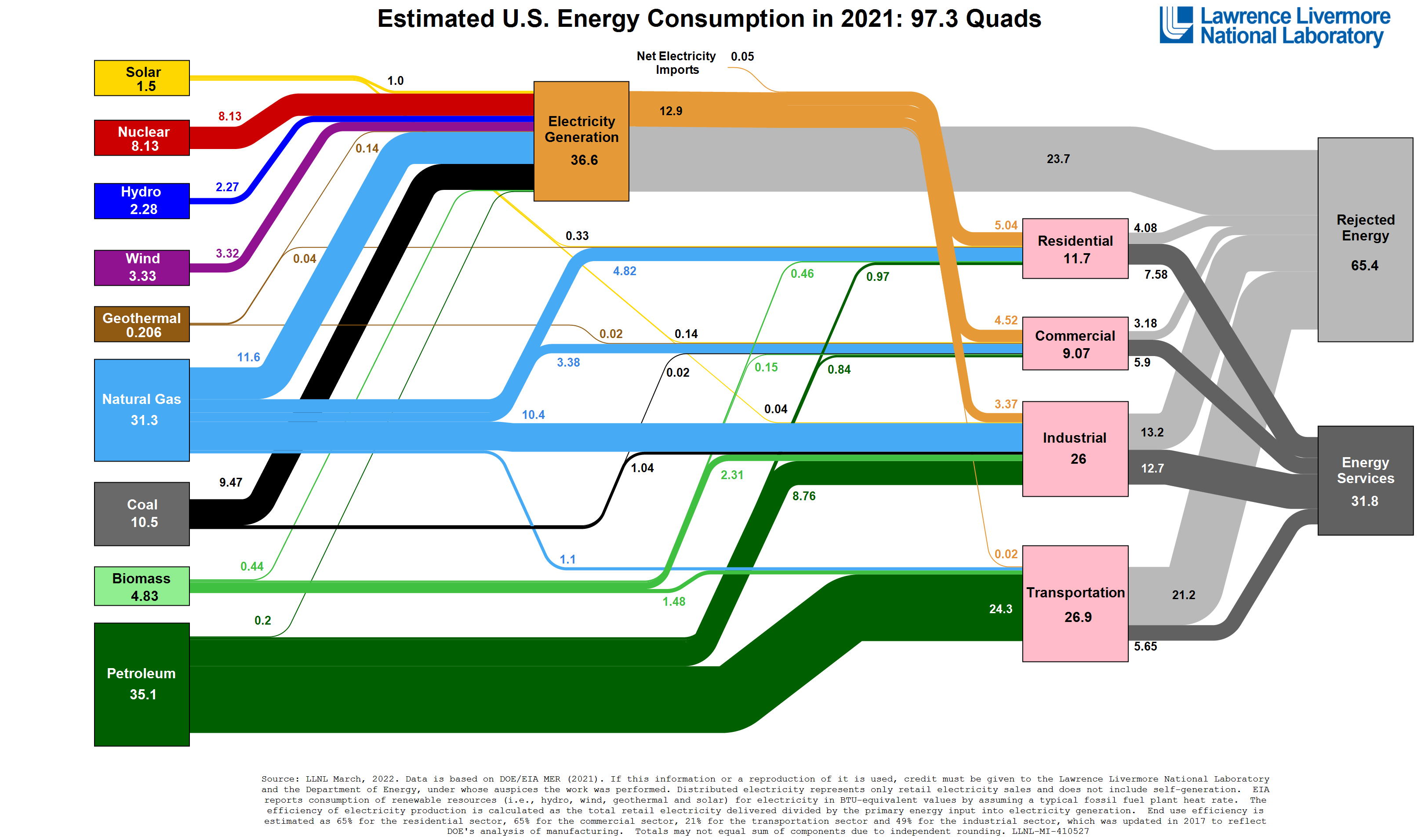
The Developed world and the Developing countries depend on energy to run. Developing countries need reliable PRIMARY Energy to progress from muscle power to machines and the Developed countries, including China and India require lots of reliable primary energy to sustain their quality of life. I am one of the few people who focus on PRIMARY energy and the crucial part coal plays in providing up to 25% of our needed primary energy. Dependable, affordable primary energy is what makes the world really work. Over 80% of the primary energy needed comes from four conventional sources:
I (so has NERC, FERC and other reputable orgs) have been warning of electric power shortages for years. This year could be the year that matters.
The Iranian War and closing of the Straits of Hormuz is a huge problem for LNG supplies to the world. Especially to Europe, South Korea and Japan. The foolish Net Zero Carbon path that western countries have adopted (S.C. too) has forced dependence on natural gas fuel. I wrote a blog post a couple years ago on the enormity of primary energy that America uses. The average American only understands the importance of energy in his or her life when a major weather disaster such as a hurricane makes gasoline, Diesel and electricity scarce for a few days or a week. Many are too young to remember the Oil Embargoes of 1973-1974 and 1978-1979.
Well, the Shale Gas Revolution in the U.S. nearly killed coal but it makes the U.S. mostly energy independent. Here is an excellent article by Giacomo Prandelli on the world impact of LNG supplies. Not so much of a big deal in May but likely a critical energy supply issue come next winter.
Primary energy is important. Remember this statement next December and January.
If it was simply the laws of Physics, Economics and Global Experiences of which source of Bulk Power was Best; then coal power plants would be on order by the hundreds. How can we fix the poor perceptions of coal power? Here are my thoughts.
Energy Powers Life as We Know It
America runs on energy. Energy is the Lifeblood of our economy and it is far more important than the MSM or public education teaches or explains. America has used right at 100 Quadrillion BTUs of primary energy each year for the last 25 years. Let me state this a different way, the total PRIMARY Energy used by the U.S. annually is about 100 quadrillion BTUs. Pro-rated, this is about 300 million BTUs for each U.S. citizen per year. I attempted to explain the use of about 300 million BTUs of energy per capita, each year by Americans here. The disconnect between perceptions and reality is, I think, a lack of understanding of basic physics and basic electricity generation economics. No one is an expert in everything and I freely acknowledge that there is much I do not understand about a lot of subjects. One reason such a large percentage of the public (and policymakers) became hoodwinked on renewables was, in my opinion, they were indoctrinated by green energy zealots that thought they knew a lot about solar and wind, but these zealots did not know as much about the energy and electric power business as they thought they did. Then these renewables advocates, with little understanding of bulk power generation, became influencers of elected officials who also did not understand. Thus, the blind led the blind into setting the Net Zero trap with high expectations from wind and solar. The result has been the self sabotaging of our reliable Grid. Many people I talk to, think they know a lot about power generation. Why? Because they have been indoctrinated with wind and solar propaganda. So, now we have a huge amount of the population, not only in the U.S. but all across the west, including the UK, EU, Australia and more. Many elected officials still believe that wind, solar and batteries can provide the electricity to compete with the world and still power our comfortable lives.
Energy Awareness, Thanks to the Iranians
The Iran war and closed Strait of Hormuz has helped create energy awareness with the general public. The last shock like this to ignite public interest, at least in my lifetime, to demonstrate the importance of energy in their lives was the 1973 Arab Oil Embargo. An unexpected benefit of the Iran War is that the public is forced to gain a better understanding of the availability and reliability of the conventional fuels: gasoline, Diesel, Jet fuel, natural gas, coal and nuclear. These six forms of primary energy provide over 90% of the energy we need and use.
Keep in Mind, April is a Low Electricity Demand Month
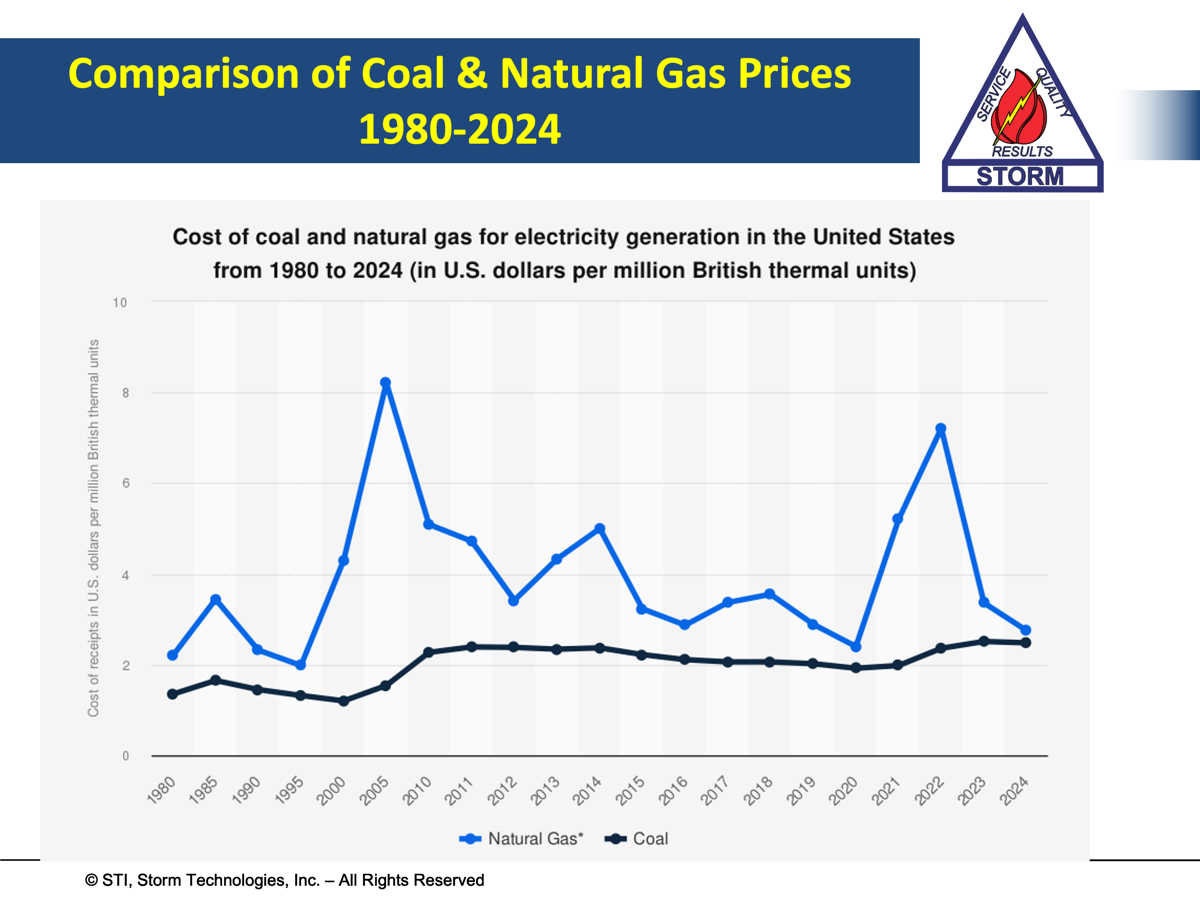
If this was winter and the world demand for LNG soared, then U.S. natural gas prices would (LNG Demand will likely exceed supply in the winter) escalate to peaks of over $10/million BTU. Fortunately, April is a low electricity demand season. Winter will come and I predict much higher than expected natural gas prices due to the world demand for LNG. Just as a reminder, the graph below shows natural gas spot market prices compared to coal prices, from 1980 to 2024.
Coal Power and Public Perceptions
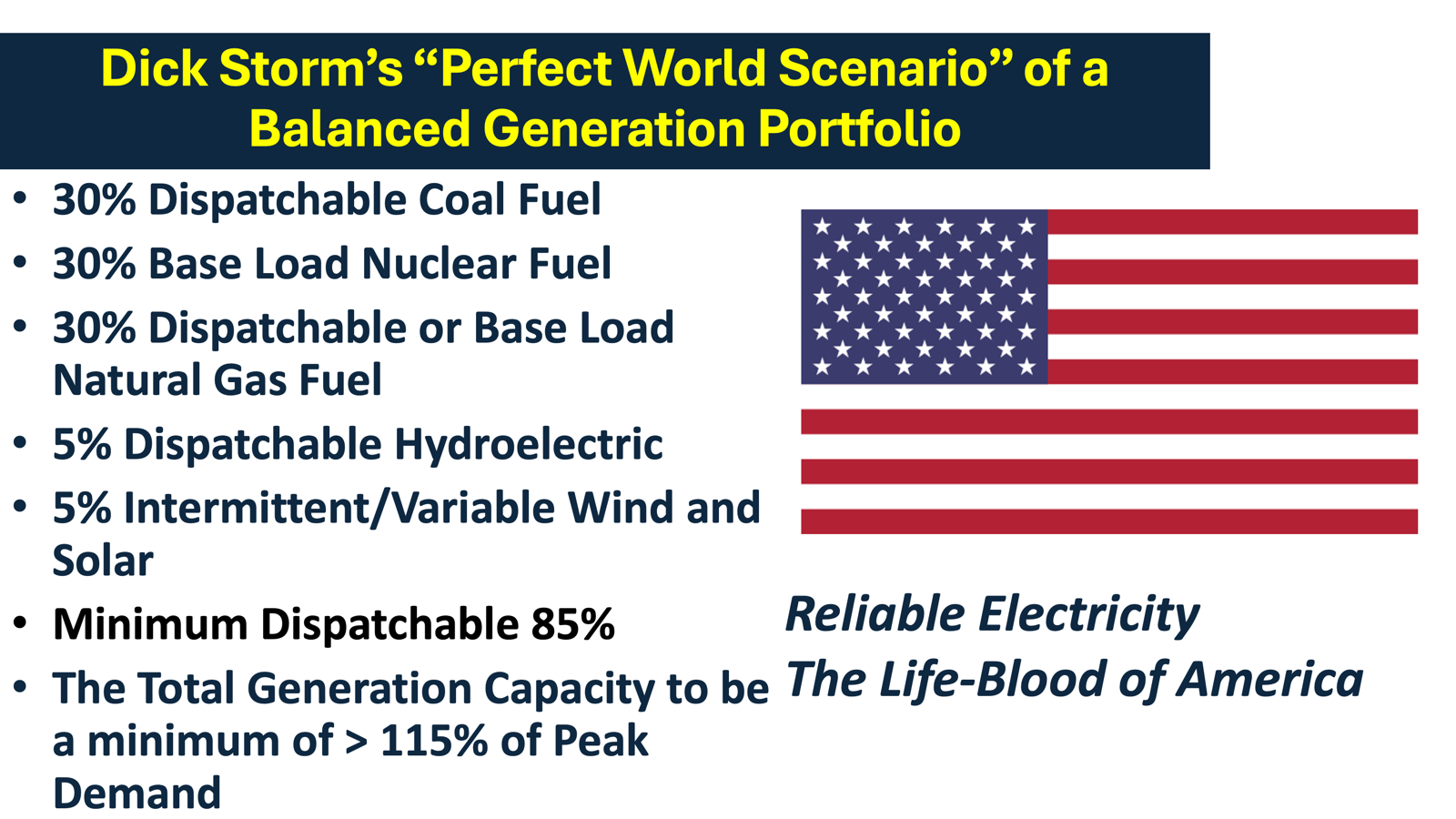
I advocate for coal because that is the fuel that I know and understand, having worked for five decades in the design, construction, startup, testing, operations, maintenance, upgrade modifications, tuning for efficiency and applying low NOx solutions to coal plants. I also advocate for natural gas and nuclear power because I believe a Balanced generation portfolio is best for the U.S.A. and each fuel has its advantages. Here is a slide from a recent presentation showing my preferred Bulk Power Generation portfolio.
In my effort to help increase energy awareness of the public, I have recently been involved in presentations to two Lifelong Learning groups, both local here in the Hilton Head Island area. For the most part, it is rewarding to share my knowledge and experiences and I have been involved with about five courses at USCB-OLLI and in addition, have given presentations to a number of civic clubs. I really appreciate the feedback from surveys that show the candid comments of the participants. Some people are very gracious and appreciative for the instructors efforts, and as an instructor, I appreciate the kind words. However, as all of us who have worked in the real world of conventional energy and electricity generation, we know that many of the public have been indoctrinated to believe that wind and solar are good, and coal (all fossil fuels for that matter) is bad. Period. This is the divided society that we live in and I wish I knew how to change it. What follows are some suggestions to help improve the average Energy IQ of voters.
Some of the Public Understand Energy and Electricity Generation, Most Do Not
My estimate of those who understand the true facts on energy and electricity generation is 5%. That is one person in twenty. Why do I say this? Because for the last twenty years I have been active in public advocacy for common sense energy policies by preparing paid ads in newspapers, presenting paid radio “Energy Fact Minutes”, presented dozens of presentations to civic clubs, taught courses at colleges and discussed with many people whom I had never met before. Thus my low estimate of 5%, although statistically unscientific, this is based on personal contact with thousands of people over the last two decades. I have confidence that it is close to being realistic.
Let’s assume that I am correct that one in twenty understands energy and that we are going to educate the other 95% on energy and electricity generation. What would be a reasonable approach? Here are three suggestions.
A Path to Better Energy & Environmental Education
I suggest a three step program to improve the public’s understanding of energy, electricity generation and the environment:
1. Electric Utilities to Replicate the 1926-1973 “Reddy Kilowatt” Program to Teach the Fundamentals of Energy and Electricity Generation
Readers born before about 1955 will remember Reddy Kilowatt, the mascot of the Investor Owned Utilities advertising campaign which began about 1926 and lasted (ironically) up to about the first Arab Oil Embargo in 1973.
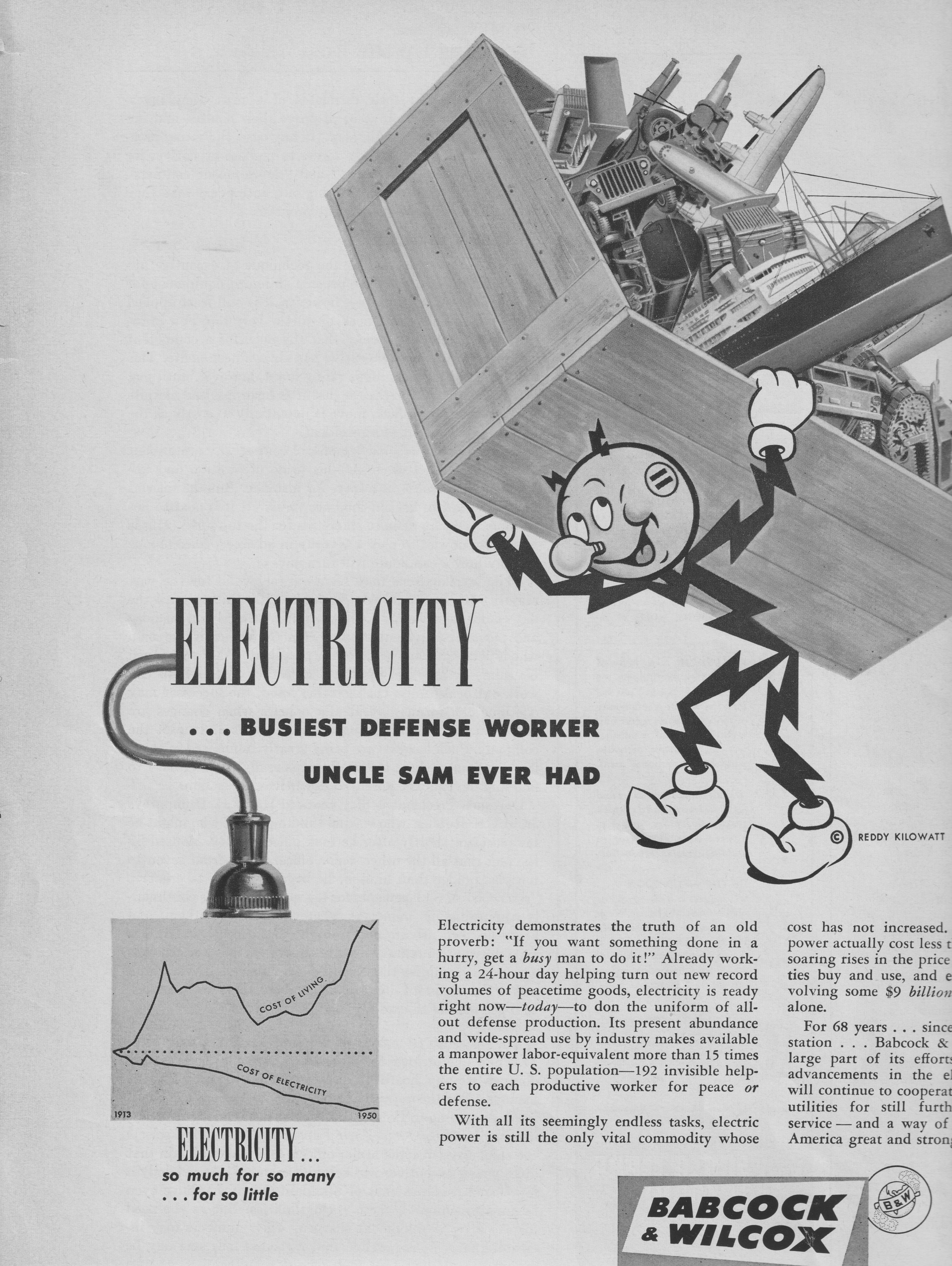
Reddy Kilowatt was used to teach the basics of “Living Better Electrically”. It was also part of a magazine advertising campaign in 1950. Here is an ad by B&W which manufactured about 40% of the steam generators used by the electric utilities and the U.S. Navy. B&W has a long history of steam generator manufacturing in the U.S. since 1867, providing steam generators to Thomas Edison and George Westinghouse and then growing to be a Fortune 500 company in the 1950’s and 1960’s.
(B&W Fortune 500- #141 in 1957)
That theme of “Living Better Electrically” caught on well and none other than the Great Communicator himself was the spokesperson for General Electric on the Sunday night TV show, the General Electric Theater, 1953-1962. Ronald Reagan plugged G-E appliances but the advertising message included power generation.
Back in the early 1970’s I personally, as a CP&L startup engineer had many interactions with G-E’s Power Generation Division and they enjoyed wide public acceptance, everyone knew what G-E did to improve our quality of life and including building high quality steam turbines and generators.
I recommend that President Trump provide an incentive for all Utilities and large power generation equipment corporations to become involved with educating the public on the true facts on energy and electric power generation. Like the EEI and many municipal utilities did up to about 1974 using the “Live Better Electrically Theme” with Reddy Kilowatt as the mascot. Perhaps a new tag line, new mascot, but a replication of the public education on energy is what I am proposing.
2. Government Printing of Factual Textbooks on Energy, Electricity Generation and the Environment
The EPA and the Department of Energy, TVA, ORNL, LLNL and other government organizations together have tens of thousands of employees. This talent bank could be used to create and in some cases, simply update literature that can be reused for High Schools and Colleges to teach the true facts on energy, electricity, the environment and energy economics. The fundamentals written and illustrated in books, pamphlets and other published information on the generation of electricity by coal, gas and nuclear has not changed. Therefore, updating is all that is needed. Thermodynamics, chemistry and fluid mechanics are still the same. The few changes are higher pressures and temperatures, advanced alloys and the addition of enormously complicated Flue Gas Cleanup systems that have made clean coal, clean.
3. Encourage K-12 and University Teachers/Professors to teach the true factual physics, economics, chemistry and environmental science
Much of the existing textbooks and culture is basically biased against fossil fuels. As mentioned above with the reference to Reddy Kilowatt, back in the 1960’s, chemistry, physics, general science and environmental science was taught based on factual science. We need to return to teaching unbiased science courses to all students. Enormous amounts of literature that is factual and teaches the true laws of physics exist in the private sector. Here are some examples to help the average person (whether a High School student or an adult) understand the importance of affordable, reliable and environmentally acceptable energy:
Dr. Lars Schernikau’s website, “Unpopular Truths” which has numerous factual articles on energy and electricity generation: https://unpopular-truth.com/blog/
All of us that understand energy and electricity generation should do our part to help the other 95% of the population to understand the true facts and “How the World Really Works”, by the way, Vaclav Smil published an excellent book by that title.
I would add this and Smil’s other books to the required reading for anyone who is involved in creating energy policy, or anyone who really does want to learn “How the World Really Works”. Energy is the Lifeblood of all that we cherish, it is my hope that the public will learn more and respect the sources of energy that power our lives.
Yours truly,
Dick Storm, April 23, 2026
References and Including Documents that address CO2 and Control of Exhaust Emissions from coal power plants
For my friends that asked, “Why didn’t you discuss more of the environmental impacts of coal power, well, here is a lot of reading if you are sincerely interested in learning more.
Other scientific studies of note: The U.S. Environmental Protection Agency conducted risk analysis of the use of various coal combustion products in concrete, wallboard, and agriculture and found them all to be safe: https://acaa-usa.org/wp-content/uploads/2023/04/ccr_bu_eval.pdf
There are a number of states that are on a path to higher electricity bills and less reliability, including S.C. Why? Because the S.C. Governor and the Legislature are still stuck on Net Zero Carbon. I thought it might be informative to list 10 unpopular truths:
Hard Truths that Apply to S.C. as Well as All Other U.S. States
New nuclear plants will take decades to be built to replace existing coal and gas units
Electricity generation for Dispatchable Electricity Generation capacity takes years to build
Most of our electricity today comes from power plants that are more than 30 years old. S.C. examples: The Wateree coal plant began operation in 1970, Duke Energy’s Oconee nuclear plant, the largest in South Carolina, first unit started up in 1973, and the first Santee-Cooper Cross Unit began operation in 1984 and Winyah 1975.
The major production cost component of electricity generation for Thermal Power Plants is fuel
The proven lowest production cost of electricity is from coal, nuclear and gas
Coal prices have remained stable for decades
Gas prices are volatile and can fluctuate with market changes. Low gas prices into the future are not guaranteed
Wind, Solar, and Battery storage are higher-cost producers of Bulk Power. Forget the “Free Fuel Myth of Wind and Solar”. All states and countries that have taken the S.C. Net-Zero Carbon path now have high-cost electricity
South Carolina is on a similar primary energy path as Germany was fifteen years ago
It takes decades for the impact of energy policies to be felt by consumers and industry
Here is a presentation to the Beaufort Federation of Republican Men, which summarizes the S.C. path to higher cost electricity.
Bulk Power Supply and Demand Projections to 2052
The Supply/Demand Chart of Santee-Cooper is shown below. Note the plan to reduce coal power generation and replace it with gas, purchased power and variable renewables.
A Better Path: Build New Coal Plants
The low country of South Carolina has been well served by Santee-Cooper since 1934. Also known as South Carolina Public Service Authority. SCPSA is state owned and controlled.
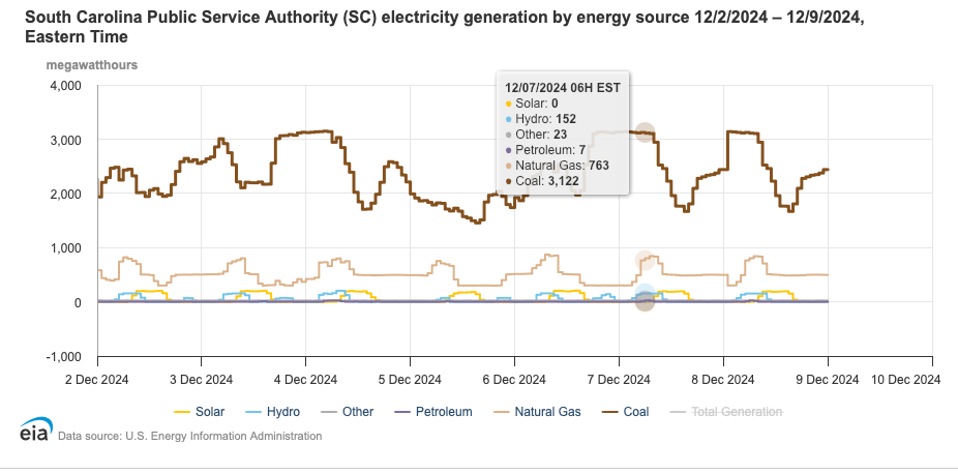
Like TVA, Santee-Cooper began with hydroelectric generation and as with TVA, the electricity demand rapidly increased to loads far in excess of the available hydroelectric capacity. Thus coal plants were built and for most of the last 80 years most of the electricity generation has been from coal fuel. This continues to be the case. The screenshot below is the electricity generation the week of December 2, 2024. The primary energy provided for the power production was 77% coal fuel at this time and it will be needed again this coming winter.
To this day most of the Santee-Cooper installed power generation capacity is coal power plants. Here is a list of their generating assets. Over 60% are dispatchable and proven to be affordable coal power. Electricity costs in our region has been amongst the lowest in the U.S. for decades. Thanks to coal fuel. As the transition to more renewables and more backup natural gas is made, the cost of Bulk Power generation will increase as it has in Germany, the UK, Hawaii, CT, MA, NJ and other states that are ahead of S.C. in transitioning from coal to more renewable energy. The so called “Energy Transition” is the root cause of increasing electric rates. Hawaii as a poster child example of a transition to expensive “Green New Deal” renewables.
What About Industry?
About a third of S.C. electricity is used by industry. This is important for U.S. security, competitiveness and for the jobs industry provides. For the low country of S.C. there are at least two very energy intensive industries; Century Aluminum and Nucor Steel. Both of these industries use hundreds of Megawatts for steel and aluminum production. The main reason the plants were built in S.C. was because of reasonable cost electricity provided by Santee-Cooper. The Century Aluminum plant at full capacity will use over 400 MW and each Nucor plant about 175 MW. These two companies alone represent 24/7 Demand that is about a quarter of the huge Cross Generating Station’s capacity.
Can We Learn From the Experiences of Germany, the UK, California, Hawaii, Connecticut and New Jersey?
Each of these states & countries have been working toward a transition away from coal and toward renewables. In each case the electric rates have escalated to the point that they have caused industries to shut down and harmed the industrial capacity of the countries or states. Electricity is the LifeBlood of an economy. Ask a knowledgeable German citizen about the results of their energy transition.
The high German electricity rates have caused many very well run and established companies to shut down and/or relocate manufacturing into other countries. Three examples are BASF, Krupp Steel and VW
The Optimum Future Electricity Generation Capacity
A Balanced generation portfolio is optimum as a hedge against fuel cost escalation, security of generation and reliability of generation. In my experience and based on the well documented experiences of other states and countries, a balanced generation portfolio of no more than 20% renewables with the balance of generation from dispatchable sources such as nuclear, gas and coal, is best. Plenty of references are listed below (also the chart above) which show the results of over-reliance on windmills solar and battery backup or BESS (Battery Electricity Storage and Supply).
Conclusions
The main point I wish to make here is that Bulk Power, that is huge amounts of electricity generation from large power plants take years, even decades to replace or to use the word more common today, Transition. Most of the vital 24/7 electricity supply to S.C. is provided by aging power plants. Examples, Oconee about 53 years, Wateree about 55, Winyah 50 and Cross about 40 years old.
As reliable, affordable and dispatchable coal plants are shut down the electric production cost will increase and along with the rising production cost, eventually increased rates.
Building new coal plants as once was planned at the Pee Dee plant site, was and still is a good idea. So is building more nuclear plants but that takes time.
My suggestion for the S.C. Legislature is to remove the Net-Zero Carbon laws that are on the books and to provide ample funds for maintenance of the existing coal plants serving S.C. so well.
Electric generation capacity of Dominion and Santee-Cooper about 12,000 MW of Bulk Power Capacity: https://datawrapper.dwcdn.net/hjyEG/5/ Duke Energy about 6600MW
The S.C. Legislature has laws on the books to exit coal power and depend on gas, nuclear, solar, wind and Battery backup systems (BESS). All of which are higher cost generation than coal. https://www.scstatehouse.gov/sess126_2025-2026/bills/3309.htm
Wind, solar and BESS systems need to be backed up by Dispatchable generation. Usually that backup (and planned for S.C) is natural gas fueled generating plants. Therefore, one reason electricity costs are higher with solar and wind is because two to four times the generation capacity is needed over a coal or nuclear plant. Solar and wind are intermittent generators dependent on nature. Solar averages about 6 hours per day of generation.
For most of the U.S. during high electricity demand periods, natural gas, coal and nuclear provide the Primary energy to provide over 75% of America’s electricity. Here is an example from July 29, 2025 during a peak load of about 745,000 MW for the lower 48 states.
The primary energy provided by gas, coal and nuclear on this day is 77%. This is for 48 states. MISO is even more dependent on gas, nuclear and coal. Here is MISO on the afternoon of July 29th. Over 79% gas, nuclear and coal. Coal was providing a vital 32.9% of total generation.
Another 250,000 MW of Bulk Power Required for 2030 perhaps 800,000 MW More by 2050
In my opinion, building 14 new large nuclear plants each year till 2050 is pure fantasy. So is building 8000 new SMRs, even though I think they are a good idea.
Natural gas plants are the easy route for Utilities to take. However, in my opinion, we have too much dependence on pipeline provided gas supply now. Also, the cost component of fuel gas for electric power production from gas turbines is about 90%. Therefore electricity production costs will nearly double if gas prices double. A Balanced Generation Portfolio is best. Here is my thoughts on a Balanced Generation Portfolio in Dick Storm’s version of a “Perfect World” of Bulk Power Supply.
The Importance of Coal Power
There are many supporters of coal power. However, we are in fact out-numbered and outshouted by many organizations that have perpetrated the Self-Sabotaging of the Life-Blood of America. I have written before on these SWAMP organizations and some links are included below for reference.
Suffice it to say, coal remains important to power America. As shown above in actual generation during this summer. Winter will prove that coal is even more important. Winter Storm Uri in 2021 showed (at least to me) the harm that premature shutting down of coal plants in Texas caused.
Increased Generation Capacity of 250,000 MW by 2030
If the U.S. electricity demand increases by 250,000 MW by 2030 and new gas turbine plants supply half of this, I suggest that the other 125,000 MW come from new coal plants. How many will it take? A lot. Here below is the Cross Generating Station of Santee-Cooper. This plant has a capacity of about 2350 MW. It would take over 50 new plants like Cross to produce 125,000 MW. Possible by 2030, probably not due to supply-chain weaknesses. However, we should start now!
Previously Published Thoughts Related to the Need for New Coal Plants in the U.S.
My comments to the American public and elected officials. It is time that you all wake up and do a little research into the primary energy that our country depends on. If competing with China is important to you, think about the advantages of using the God given treasure of energy that America has within our borders.
President Trump’s acknowledgement of the importance of energy at the Pittsburgh Energy and AI Summit is appreciated. My suggestion to Governor Shapiro and state Legislators in the Great State of Pennsylvania is: Remove the Regulatory Obstacles that stand in the way of building new coal plants. Just a day before President Trump’s Summit, I presented my analysis of the need for new coal plants at the Coal Institute. Not only the need for new coal plants, but also the fact that the primary energy of coal is the only source to use for major Bulk Power generation, 24/7, affordable, Dispatchable, storable and proven, before 2035.
Coal remains an important source of primary energy. If the laws of Physics, Common-Sense and Economic sanity prevailed, America would be building at least a hundred fifty green field or updated design HELE coal plants to serve Pennsylvania and the growing U.S. Demand for electricity across all 50 states. At the end of my presentation to the coal Institute I included sobering facts and data on the use of coal by China. For the U.S. to win the competition with China for AI dominance and to reshore manufacturing to the U.S., more new plants delivering reliable, affordable, Dispatchable coal power are needed.
There is One Source of Primary Energy that Can Provide Fuel for the Extreme Growth of Electricity Demand in the next Ten Years, Coal!
The growing electricity Demand will be difficult to generate without significant additions of new Dispatchable generation. Natural gas is the predominant fuel of choice, the easy path for Utilities to add generation. However, there are limitations to continued growth of gas generation to let’s say 100,000 MW or more by 2032. Meanwhile, electricity Demand is soaring at over 2% per year and by 2032 the increased peak demand is likely to be in the magnitude of 250,000 MW more.
There is One Fuel that Can Generate the New Power Demand
Natural gas is already providing about 43% of U.S. power generation, the supply-chain for new gas plants is limited and the risk of a single point of failure of “just in time” gas supply, doesn’t seem prudent to me. Nuclear is highly regarded and hoped for. I support more new nuclear generation. However, green field nuclear capacity additions in the magnitude of 250,000 MW will take decades to accomplish. Keep in mind the existing nuclear fleet which generates about 18% of America’s electricity now is from old nuclear plants most of which are over 40 years old. It took about 30 years to build the existing 97,000 MW of nuclear generation capacity. The Georgia Power Plant Vogtle additions of units 3 & 4 about 2,200 MW took ten years to design and construct.
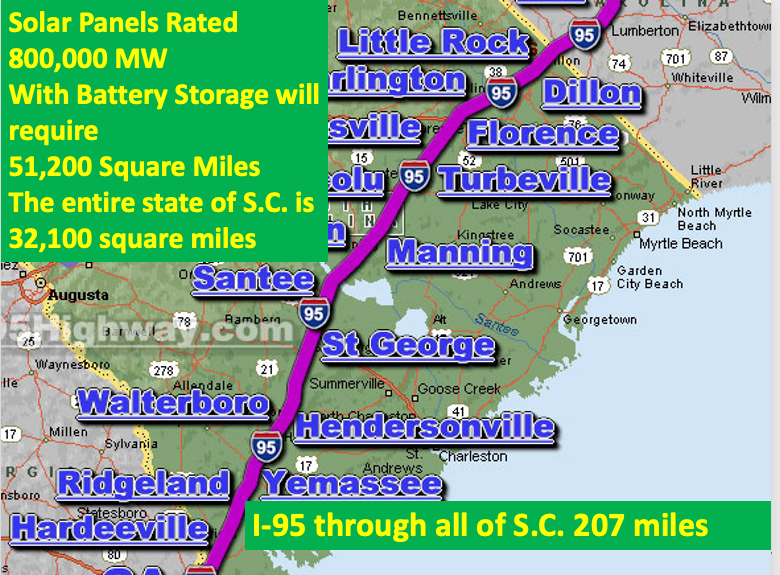
Solar capacity in this magnitude is not practical and should not be attempted due to the enormous land use required. The 800,00 MW expected to be needed by 2050 would require solar farms about the size of 1 1/2 states the size of South Carolina. So, solar has its limitations.
Planned Solar Generation in PJM
Chris Moran of PJM presented an excellent presentation to describe the operations of PJM and how the PJM Interconnection functions. A very informative and well prepared presentation. Near the end of Chris’s presentation he showed the planned new generation for the PJM territory. Here is a screen shot of one of the slides. Yes, 63% Solar.
Conclusions:
It is Impossible for Solar and Wind to meet the Demand for new electricity in Pennsylvania to satisfy the needs of new AI growth and electricity for the return of manufacturing to the U.S.
Natural Gas remains important, but PJM and most of America is already dependent on too much natural gas for Base Load generation
The Supply-Chain of equipment to build efficient gas turbine, combined cycle plants is already stretched to meet the surging Demand
New nuclear plants will take at least a decade to provide significant new Greenfield Bulk Power generation in the range of 10,000-20,000 MW’s of new capacity
Coal plants can be built in less than ten years
Pennsylvania, West Virginia, Wyoming, Illinois, Texas and other states have enormous reserves of high quality American Coal. We should use this Domestic Treasure of Primary Energy
It is my hope that Chris Wright and President Trump read this message. I strongly stand behind the talk I presented at the Coal Institute, this blog post and others that support coal power generation.
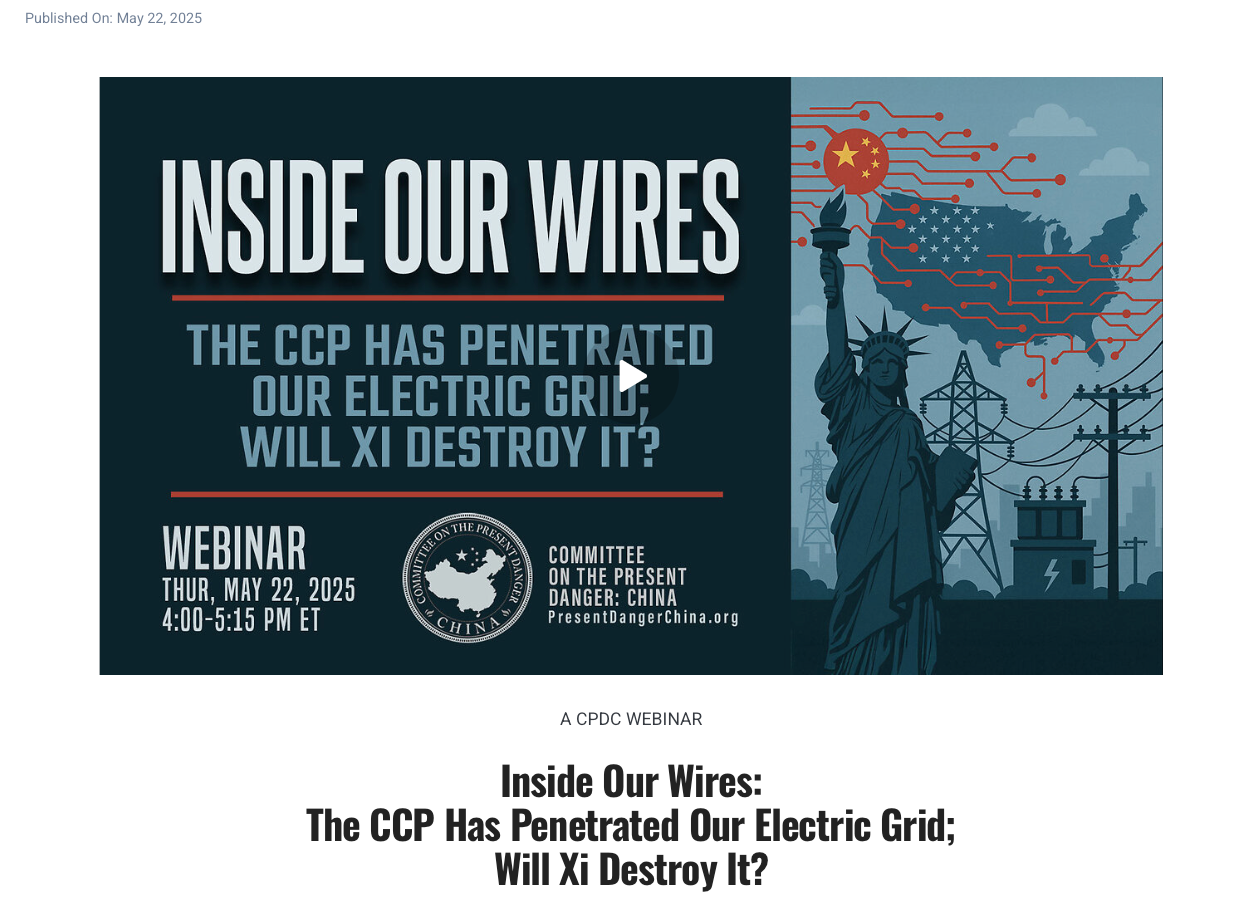
Several of my friends and myself have given presentations and written reports on how America has created energy and electricity generation policies that will Self-Sabotage electricity reliability. Last year I wrote on my blog, “Threats to the Electric Grid” with an emphasis on harmful U.S. EPA policies. At the time of writing, I was aware of Chinese mischief with large Utility scale transformers, but had not thought about the seriousness of this threat. Last week, I was contacted by my friend Dave Walsh and asked to join him and several others on a panel with Frank Gaffney for a webinar entitled, “Inside Our Wires: The CCP Has Penetrated Our Electric Grid, Will Xi Destroy It?” The question threaded through the discussion: “is this part of the CCP’s Unrestricted Warfare?”. The webinar is summarized below.
It is beyond dispute that the so-called “Green New Deal “– and the misleadingly named Inflation Reduction Act that has massively subsidized its adoption – has greatly weakened the reliability of America’s most critical of critical infrastructures: the electric “grid.” That has been the practical effect of the putative “sustainable energy movement” with its obsessive focus on reducing, if not eliminating altogether, coal-fired power-generation, nuclear energy and even natural gas-powered dual-cycle turbines.
Such problems are being exacerbated by governmental and commercial interest in artificial intelligence and the necessary, vast expansion in the number of data centers around the country, with their endless appetite for additional power for operating and cooling their server farms. Such demand is, in turn, translating into greater and greater reliance on the principal source of “green” solar panels, windmills and electric batteries, namely the Chinese Communist Party (CCP).
Recent revelations that inverters associated with such Chinese products have been equipped with “kill switches” that would disable or even destroy them remotely make the prospect of serious, sustained and/or catastrophic interruptions of power at the hands of the CCP a distinct prospect. Ditto the 400+ Chinese-manufactured high-voltage transformer that comprise the backbone of our grid, at least two of which have been shown to have similar “backdoors.”
The Committee on the Present Danger: China webinar May 22, 2025 explores how on earth these potentially nation-ending vulnerabilities were ever allowed to exist in the first place, let alone to metastasize to the clear benefit of our mortal enemy, the CCP, as they have. The panel will also consider what must be done immediately to mitigate them.
Moderator: Frank Gaffney, President, Institute for the American Future; Vice Chairman, Committee on the Present Danger: China
Panelists:
Col. Grant Newsham, U.S. Marine Corps (Ret.) – Topic: “The CCP Inside Our Wires: The Strategic Implications” Charles “Sam” Faddis – Topic: “The CCP’s Imbedded Trojan Horses: Donald Trump’s Effort to Shut Them Down; Joe Biden’s Reversal of His Directive”
Dave Walsh – Topic: “The Magnitude of the CCP Threat to Our Most Critical of Critical Infrastructures – The U.S. Electric Grid – and What Can We Do About It? ” Dick Storm – DickStormProBizBlog.org – Topic: “How Did the CCP Get Inside the Grid: The CCP’s ‘Old Friends,’ the Red-Green New Deal and the Challenge of Our Time”
As is often the case when one becomes involved in a meeting/discussion such as this, new and different perspectives are learned….as in my case. I came away enlightened from the experience of being with these gentlemen. The purpose of this article is to share the information that I learned last Thursday. I think it is important to do so.
My Take Aways From The Webinar
I will summarize my take aways. However, the full transcript is available for anyone interested in reading it and of course, the video link is included above. I will list those points that I think are very important and unfortunately, not very well known by the American people due to malpractice of the MSM.
The CCP has been working on penetrating our Grid for many years
The politicians that pushed the “Green New Deal” which morphed into the “IRA” may have been influenced by foreign Dark Money to deliberately create self sabotaging energy policies, referred to as “Climate Policies” See the Capital Research Center reports listed in the references at the end for more information
America’s Supply-Chain has been weakened by De-Industrialization of the U.S. and much manufacturing being transferred to China
China is the beneficiary of U.S. De-Industrialization
America’s Reliable and Dispatchable Generation Capacity has been steadily reduced since 2010
Over 90% of New Generation Capacity installed to replace coal plants, has been solar and/or wind
Electricity generation Reserves have declined from about 25% a decade ago to about 15% and are still declining
The Supply-Chain of Engineering and Craft Labor Talent, raw materials and manufacturing is NOT as capable today as it was in 2010
America’s Grid is vulnerable to nefarious actors, whether Russian, Chinese or other
A Reminder of the CCP Plan, Unrestricted Warfare
About February 2020 a friend sent me a link to a New Delhi news program, WION, – Gravitas, with Palki Sharma Upadhyay the reporter. The courageous lady presented a 15 minute or so program on how the CCP had spread the Wuhan lab created virus as part of unrestricted biological warfare. The book “Unrestricted Warfare” and its theme of increasing China’s strength in the world and overcoming U.S. strength was highlighted. I saved an MP3 version of that program. Interestingly, I could not find a live link of that particular program today. It appears to have disappeared? Here is another one from 2021 where Ms. Sharma discusses the CCP and unrestricted warfare plans about a year later.
The book “Unrestricted Warfare” is available on Amazon.
One of the better-known alternatives in this book is the idea of attacking networks. Networks are increasingly important in not only data exchange but also transportation, financial institutions, and communication. Attacks that disable networks can easily hamstring large areas of life that are dependent on them for coordination. One example of network warfare would be shutting down a network that supplies power.
If there is a significant failure in the power grid caused by the attack, massive power outages could result, crippling industry, defense, medicine, and all other areas of life.
Conclusions and Summary
For many years since Obama was President, I wondered what was he and the Democrats thinking? Why were they working to implement policies that would weaken America? The fact is, the climate policies of Obama, Biden and the key Democrats in Congress, whether intentional or from green indoctrination has in fact, weakened America’s infrastructure and made us vulnerable to outside nefarious actions. The reading list below will augment the video discussion of PresentDangerChina.org
Thankfully, now Donald Trump is President and we can pray that God will continue to Bless America. There is a lot of work to do to correct years of poor energy policies.
General Robert Spaulding on YouTube, discussing China’s “Unrestricted Warfare”: Robert Spaulding on China’s “Unrestricted Warfare” 2020 on YouTube https://www.youtube.com/watch?v=PT8LRZAonQA
The Rise and Decline of nations throughout history is well documented. Here are my thoughts on the how close the U.S. came to a steep decline of freedom, strength and prosperity due to the un-American energy policies of Obama and Biden. Energy and electricity are the Life-Blood of our country’s productive capacity and prosperity. The harm of harmful policies are not felt until decades later, such as those Obama implemented, which I will cover later. The IRA should be fully repealed by Congress, otherwise, the American electric Grid unreliability and electricity costs will increase as has been experienced in Germany, Spain, Hawaii and the UK.
The Green New Deal aka IRA
Reasonable cost, affordable, reliable and abundant energy is one important resource that made America strong. America once had the most reliable, affordable, resilient and robust electric Grid. That is until the Green New Deal came along. Codified into the so called, “Inflation Reduction Act” of 2022. If Kamala Harris would have won the election in November, the decline of America would have certainly accelerated. Energy and reliable electricity are the Life-Blood of America. Thankfully, President Trump was elected and some of the un-American policies of the Democrat Party, Obama and Biden are being corrected. Congress is working on a draft to correct the IRA, however, so far it does not go far enough to abolish the IRA. Alex Epstein wrote an excellent summary, worth reading, here. The Full repeal of the IRA is needed to keep America’s Life-Blood of Energy and Electricity Reliable & Affordable. Not doing so puts America on the same path as Spain, Germany, Hawaii and California. Call it a “Spain Spiral”.
The Changing World Order
Ray Dalio of Bridgewater Investments fame has published a book, “The Changing World order”. He has also posted a website and You Tube presentation which is a fascinating 45 minute history lesson of the changing world order and the rise and fall of empires. Here is a screenshot of his focus on four empires, the Dutch, British, U.S. and a rising China. Historical to current times. Had Kamala Harris been elected, Dalio’s projection of the U.S. decline, might have come to be. Why? Because in these modern energy intensive times conventional forms of energy, oil, gas, coal and nuclear are the foundation of American strength and hegemony.
I recommend watching Dalio’s You Tube presentation and his book, “Changing World Order”. This is relatively new, published this month. Previously, I have written my views on the U.S. Self-Sabotaging of our energy and electrical generation capacity. Here, Here,Here, Here and more.
Democrat Party and Other Un-American Organizations
The Democrat Party energy policies, in my opinion, could not have been improved on by Vladimir Putin or Xi Jinping themselves to weaken America. The “War on Coal” and a review of Obama, Biden and the Democrat controlled Congress un-American policies are covered in these three articles:
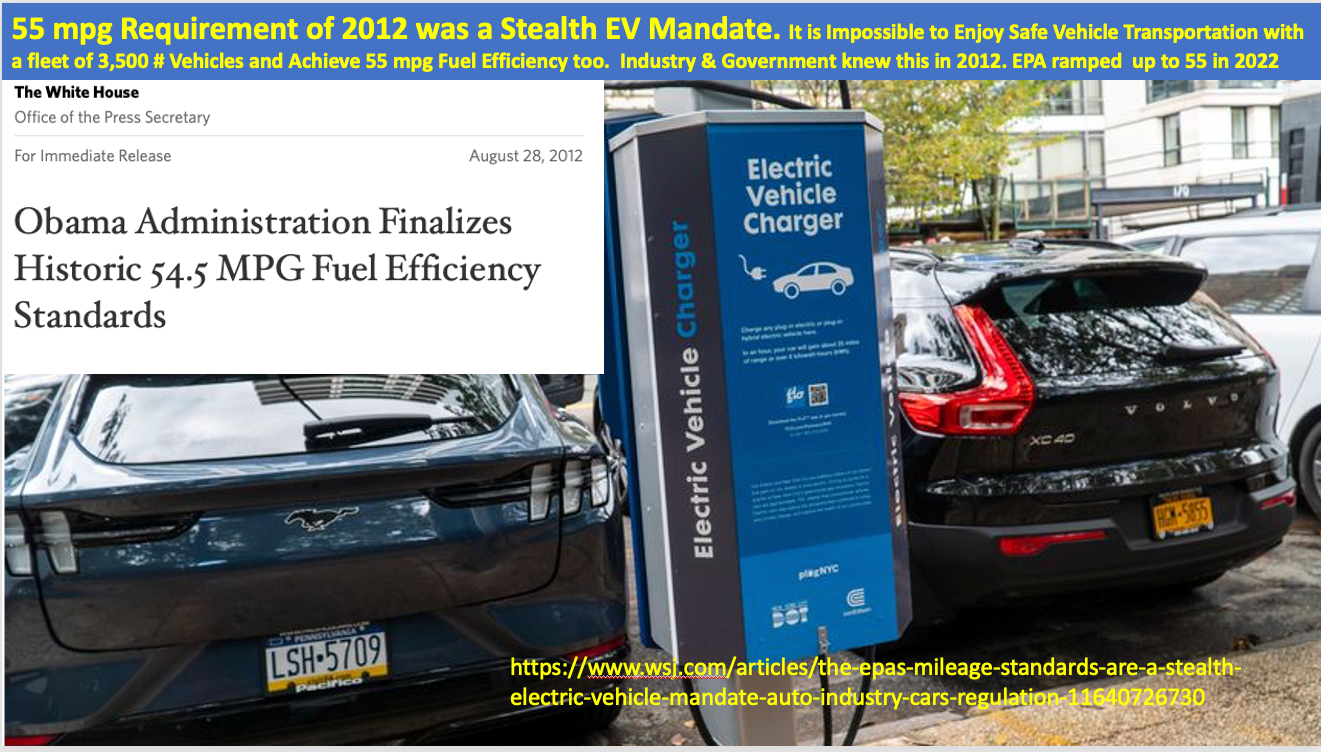
Here is a reminder of the lasting effects of regulations. Obama implemented the EV Mandate in August 2012. Obama’s EPA also forced the EPA Endangerment Finding. It took over a decade for the harm to become noticed by the general public.
The 2022 (wrongly titled) Inflation reduction Act actually codifies Obama and Biden “Green New Deal” policies. They need to be completely repealed. Alex Epstein and Ed Ireland have done excellent articles detailing the incomplete work of Congress to support President Trump’s promises. Here and here.
Learning from Others
President Trump understands the importance of energy independence and a reliable electrical grid. In fact, one of his first EO’s was to declare an energy emergency. He is correct in doing so. Why? Because under Biden and with the hateful energy policies of Obama still in effect, America was headed down the same path of Net-Zero Carbon that Spain, UK, Germany and other Western countries have followed. The results should be studied.
Conclusions
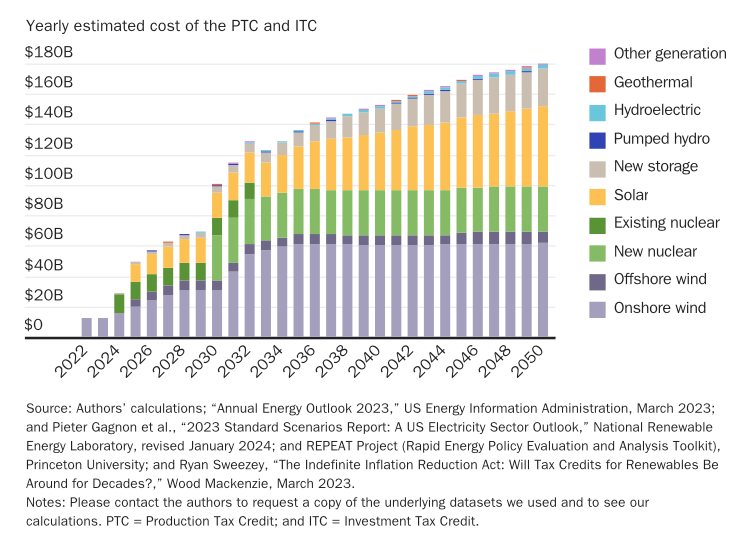
The U.S. is on a similar path as Germany, the UK and Spain if the Renewables subsidies of the IRA are not repealed. The CATO Institute has provided a summary of the costs until 2050. Worse yet are the risks of unreliable power supply due to too much intermittent, unreliable, non-Dispatchable solar and wind capacity.
President Trump was correct in his Executive Order of January 20th entitled, “Unleashing American Energy”.
Electricity demand according to most respected organizations, is expected to grow by 50% in the year 2050. That means an increase of reliable capacity of about 600,000 MW of new generating capacity. The only proven source of this enormous capacity is from nuclear, gas and coal generation. The natural gas expansion is limited by manufacturing capacity, nuclear takes decades to implement. New coal plant capacity should be included in the portfolio of new electricity generation capacity. If it is not, we may in fact, follow the de-industrialization path of Germany and lose the lead in AI. Congress should support the full extent, 100% of President Trump’s Executive Order to “Unleash American Energy”, including the building of new clean coal plants.
It has been forecasted that the U.S. needs about 125 GW of new electricity generation capacity by 2030 and about 600 GW of new generation capacity by 2050. The combined maximum manufacturing of new nuclear, new wind and new solar cannot provide this growth in time. Previously written here, here and here. The Our World in Data graph showing worldwide capacity of total primary energy by sources shows the futility of expecting the new Demand for energy to be supplied from wind and solar.
The graph above illustrates the dismal contribution of wind and solar to the total Primary Energy needs of the world. Bjorn Lomborg (and others) has written numerous articles that document the poor capacity factor, high cost and unreliability of wind and solar after decades of spending billions.
The answer to providing the needed Primary Energy for electricity generation over the next twenty five years is to build more dispatchable electricity generation capacity from new natural gas, nuclear and coal plants. We need to build lots of new gas, nuclear and coal plants. Easy to write, harder to accomplish. That is the purpose of this article, to try to quantify the colossal design, manufacturing and construction supply-chain effort that needs to be accomplished on a fast-track basis.
New Generation Capacity Manufacturing Supply-Chain
The gas turbine supply-chain limitation was covered in my previous article here and by POWER Magazine here. Nuclear is the fuel that provides the largest carbon free capacity today and it is likely to be the fuel of choice in the future. However, building 125 GW of new electricity generation capacity by 2035 or so could with a Herculean effort be accomplished with new coal plant construction. This is about the same as the electricity generation capacity that has been shut down since 2010. The previous article discussed the 151 new coal plants that were planned in 2008 most of which were never built. Between now and 2035 we need to build the coal plants that were planned in 2008 and were never built.
The Coal Plant Supply-Chain That Was circa 1975-1980
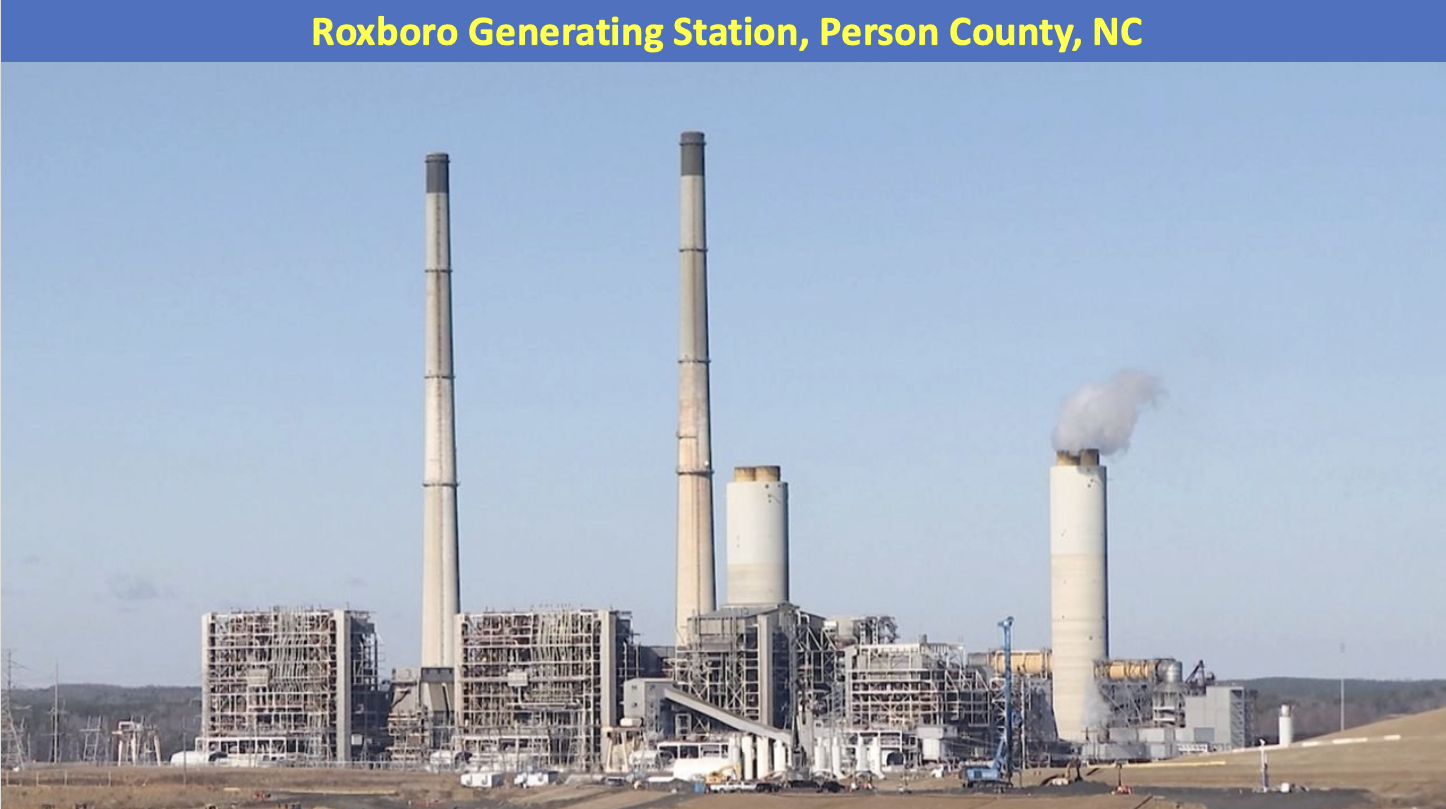
In 1975 I was a project engineer for the startup and improvements for the 720 MW Roxboro Generating Station Unit #3. The superheater needed to be replaced with upgraded alloy due to design issues of temperature and steam distribution throughout the over 1500 individual flow circuits. The tubing material selected was 304H stainless steel. Over twenty miles of new tubing needed to be fabricated into 48 superheater assemblies, each comprised of 26 tube circuits about 120 feet long. The contract was signed about March of 1975 for delivery to site and installation in the fall outage the same year. The tubes had to be manufactured from stainless steel billets, drawn into tubing and the tubing bent, attached together into assemblies, stress relived in a furnace and welded together. The total superheater required dozens of truck loads for delivery from Chattanooga to Roxboro. The same project today would be possible but not in the same time frame. It will require more than a year or two to simply fabricate a superheater of this size and get it delivered. Much of the tubing and components would be sourced from Asia.
Remembering Combustion-Engineering
Let’s discuss Combustion-Engineering’s Chattanooga works in 1975. Here is an aerial picture of this magnificent facility.
The facility was over 88 acres under roof and included capabilities for manufacturing steel tubing, waterwalls, heavy walled headers, fabrication of tube assemblies as described above for the Roxboro superheater and also nuclear reactors and steam generators. I intentionally used the adjective magnificent to describe it. Here is a quote from my friend Tom who worked at C-E during this time period:
“I did a stint at CE in Chattanooga and still vividly recall the enormity of the manufacturing capability. For instance 15,000 ton press that could bend 12” thick steel Into a cylinder for a completed nuclear vessel weighing 700 tons.
A Gang drill setup to drill 1600 holes through a 26” Inconel tube sheet for nuclear PWR steam generators.
1000 ton crane to handle these fabrications and heat treat furnaces large enough to stress relieve them before shipment. What an experience to view and work with these marvels.”
The facility evolved and progressed over many years to become the pearl of manufacturing prowess that it was in 1975. Combustion-Engineering in these times was capable of producing steam generators that could power about 25,000 MW of electricity generation capacity each year. The business volume in 1977 dollars was about $1 Billion/year. The manufacturing volume was almost equal to the business profits of aftermarket maintenance and repairs. Being outstanding in design, manufacturing and services was a huge business for tens of thousands of employees. In 1978 Combustion-Engineering was # 125 on the Fortune 500 list of companies. Two competitors during this era with facilities similar to Combustion-Enegineering were Babcock & Wilcox and Foster-Wheeler. B&W was # 132 on Fortune’s list and Foster-Wheeler # 207.
Today Combustion Engineering and Foster-Wheeler U.S. shops are gone, B&W’s downsized but, thankfully, still in operation.
Today I discussed a replacement/repair of a high pressure header for a Utility coal steam generator in Texas. I was told the header is on emergency order and it will be on site this fall. The header is sourced from somewhere in Asia and welding of tube studs and completion of fabrication will be done in South Carolina. This is bout 24 weeks lead time for just one header. I described a 1350 MW steam generator in a previous article, here. Just to show a rough idea of the immensity of a large coal steam generator. The one described is the B&W Zimmer Plant, supercritical steam generator. In electricity generation capacity, it is nearly twice the size of Roxboro Unit #3.
How About Talent?
I was watching Mike Rowe on TV yesterday and he stated that today over 485,000 manufacturing jobs remain unfilled. Tens of thousands of highly skilled craftsmen such as the Boilermaker/Welders such as those shown below are needed. But, the training and education of the workforce is a topic for another day. Here is a recent WSJ article on building the craft workforce.
Building a new 1600 MW Coal Plant
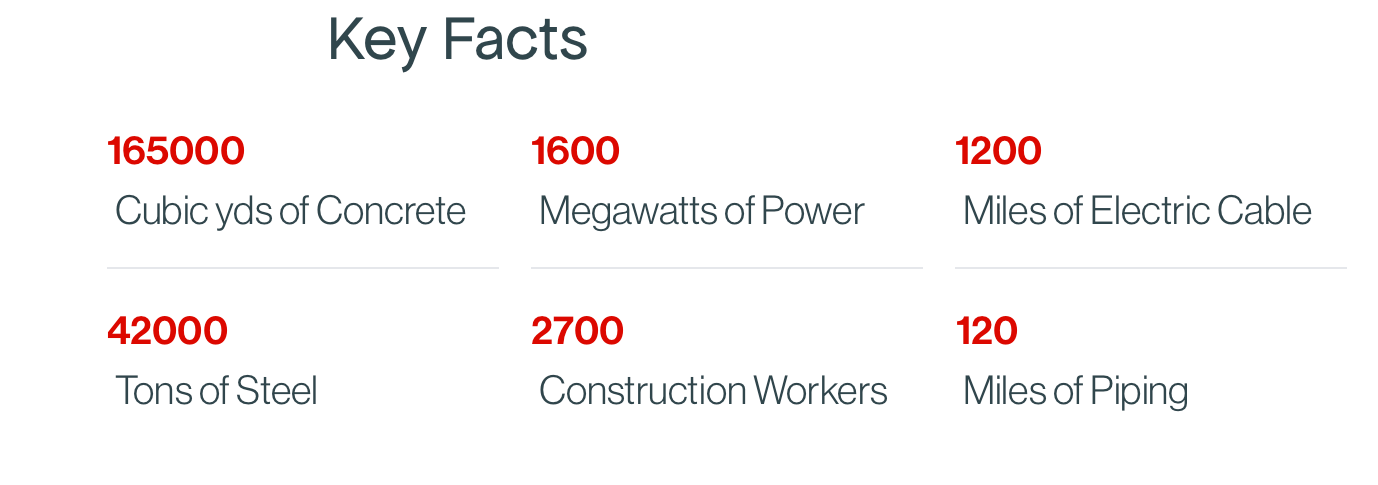
One of the most recent coal plants built is the Prairie States Energy Center in southern Illinois. The plant construction is well documented by Bechtel and Prairie States. Here are some statistics to explain the immensity of the challenge of building a plant such as the Prairie States Energy Campus.
Now do the math. It will take about 78 new coal plants like Prairie States to produce 125,000 MW of electricity. Using the proportions of what it took about 13 years ago to build the Prairie States Energy campus would extrapolate to:
12,870,000 yards of concrete
3,276,000 tons of steel
210,600 construction workers
93,600 miles of electric cable, mostly copper
9,360 miles of piping
This does not include the engineers and designers to prepare the engineering drawings, the factory personnel such as those once employed at the C-E Chattanooga Works described above or Foster-Wheeler’s Mountaintop Pennsylvania facility. I estimate that over 250,000 new engineers, technicians, craftsmen and other factory workers will need to be trained and employed to accomplish this huge task. Unfortunately, many of the trained and experienced engineers needed are like me and many of my friends, who are now retired. The next generation has a huge job to rebuild the supply-chain.
Conclusions
Needed is 600 GW of new reliable, affordable, dispatchable and preferably, U.S. made generation capacity. Satisfying this demand for new capacity will require more new gas, new coal and new nuclear plants to be built. As discussed above, the new gas turbine manufacturing capacity is at it’s limits and optimistically, about half of the needed 600 GW by 2050 can be provided by G-E, Mitsubishi, Siemens and a few others.
Nuclear today provides about 100 GW of electricity generation. Most of the nuclear plants providing this power were built over 40 years ago. It took over 30 years to build the first 100 GW of nuclear generation and yes, we should proceed full speed ahead on doing so again. All things considered, including manufacturing facilities, talent, forgings, high grade nuclear quality steel production and site construction challenges, doubling the 100 GW of existing nuclear capacity may take another 30 years. America misses both the manufacturing facilities such as C-E Chattanooga and others and the 125 GW of coal plant capacity that also has disappeared.
The solution, in my view, is build more coal plants and build them now. It will be difficult to ramp up the supply-chain, but we should begin ASAP. Building plants like Prairie States takes years. At best, about four years from the start of engineering to the first connection to the Grid and then it usually takes months of debugging and fine tuning to reach the full potential of a new plant.
The Roxboro Generating Station has been mentioned by me in many of my articles and talks. Why? Because I was employed at Roxboro as a field service engineer, senior startup engineer, operations superintendent, maintenance contractor and consultant over a fifty year career. I know (or at least remember it) Roxboro plant very well. A side note, Mr. Mendall Long, one of the Greatest Generation and past Manager of Fossil Plant Engineering told me late in his life, “Lad, you are the only guy I know that made a full career out of working on only three boilers” Mr. Long was referring to the Riley Boilers at Sutton and Roxboro Plants that I did indeed work on (amongst others) over a forty year period during his life-time. We miss extraordinary and courageous engineer/managers like Mr. Long.
Roxboro has a capacity of 2,462 MW. I use this plant as an example of the 125 GW’s of new power needed. It will take 50 new plants like Roxboro to produce 125,000 MW’s of coal plant capacity. I described the superheater replacement for Unit #3 above. That is only one unit. Roxboro has four operating units. The Prairie States Energy Campus is a better example because it is newer.
POWER Magazine wrote in October 2013: “The 1,600-MW Prairie State Energy Campus uses the latest coal technology to burn Illinois coal from the Lively Grove mine, located adjacent to the plant. In planning since 2001, the second unit of the two-unit, $4.93 billion plant entered commercial service in November 2012, thus completing the largest coal-fired plant built in the U.S. in 30 years.
The Prairie State Energy Campus (PSEC) is likely the last of the multi-unit coal-fired power plants that will be built in the U.S. in the foreseeable future. The most recently commissioned coal plants (SWEPCO’s 600-MW John W. Turk, Jr. and Duke Energy’s 825-MW Cliffside Unit 6) are single-unit plants with no firm plans for future expansion. The last two-unit coal-fired plants completed as a single project were Luminant’s Oak Grove power plant (2 x 800 MW) and We Energies’ Elm Road plant (2 x 615), both completed in 2010, but that’s where the similarity ends.”
As mentioned above, America should build 78 new plants similar to the Prairie States Energy Campus. We should begin now as the electricity generation crisis is real, not imagined. In 2008 over 150 new coal plants were planned. Most of these were cancelled. That was a mistake that needs to be corrected.
Combustion-Engineering History-From Wikiwand: https://www.wikiwand.com/en/articles/Combustion_Engineering_Company Combustion Engineering (C-E) was a multi-national American-based engineering firm that developed nuclear steam supply power systems in the United States. Originally headquartered in New York City, C-E moved its corporate offices to Stamford, Connecticut, in 1973. C-E owned over three dozen other companies including Lummus Company, National Tank Companyand the Morgan Door Company. The company was acquired by Asea Brown Boveri in early 1990. The boiler and fossil fuel businesses were purchased by Alstom in 2000, and the nuclear business was purchased by Westinghouse Electric Company also in 2000. Merger with the Superheater Company During the Great Depression, C-E formed a partnership with the Superheater Company. The Locomotive Superheater Company was founded in 1910 to further the use of superheated steam in locomotives. The Superheater Company’s primary manufacturing facility was located in East Chicago, Indiana. In December 1948 stockholders approved a merger between the Combustion Engineering Company and Superheater Company. Following consolidation the corporation was called Combustion Engineering-Superheater Inc. In September 1950 the firm announced plans to build a large high-pressure generating unit for Virginia Electric & Power Company in Chester, Virginia. In 1953, the name Superheater was eliminated and the company took the more familiar name – Combustion Engineering, Inc. At this time, C-E primarily designed and built boiler assemblies for conventional power plants; those powered by coal and oil. In the mid-1950s, C-E also expanded its operations into oil and gas exploration, production, refining, and petrochemicalswith the acquisition of the Lummus Company located in Bloomfield, New Jersey. Lummus also supplied small industrial steam supply systems for oil field enhanced recovery. C-E was one of the major suppliers of boilers for US Navysteam-powered warships, including Liberty ships during World War II. Amongst many other warships, all of the 46 Knox-classfrigates built during the 1960s and 1970s were equipped with a 1,200-pound-per-square-inch (8,300 kPa) C-E power plant. C-E also was a leader in the development of large coal utility steam supply systems which were used worldwide. C-E pioneered the tangential firing process used in modern large pulverized coal utility boilers. C-E maintained a large coal burning test unit at the Windsor, Connecticut site which allowed the Power Systems Group to test changes to boiler air-flow and other critical boiler design factors.
Nuclear steam supply systems C-E’s nuclear power activity began in 1955 under Arthur Santry Jr. The history of the C-E Windsor, Connecticut campus dates to the early development of the nuclear submarine. From the mid-1950s through the early 1960s, Combustion Engineering, under federal government contract, produced nuclear fuel for the US Navy’s “Nuclear Navy” nuclear submarines. Also located at the Windsor site was the prototype marine nuclear propulsion training facility known as S1C, which was designed and constructed by C-E adjacent to its main campus. The S1C prototype was operated by C-E for more than ten years as an R&D and Naval training facility. After expiration of C-E’s contract, the S1C contract was subsequently awarded to Knolls Atomic Power Laboratory (KAPL), who operated the unit until its decommissioning and dismantlement in the late 1990s and early 2000s. In the 1960s, C-E began selling nuclear power steam supply systems. The first commercial nuclear steam supply system was sold to Consumers Power Company of Michigan for the Palisades Nuclear Generating Station, which closed in 2022. C-E competed aggressively with General Electric and Westinghouse in this domain. In the late 1960s the company supplied nuclear reactor systems and fabricated uranium fuel for electric utility companies. A joint venture was announced in April 1968, involving the Combustion Engineering Company, Houston Natural Gas, and Ranchers Exploration & Development Corporation. The three businesses combined to search for uranium on 250,000 acres (1,000 km2) in New Mexico C-E was generally credited with a superior design, evidenced by the fact that the megawatt yield of its nuclear reactors was typically about 10% higher than that of comparable Westinghouse plants. The basis for this increase in efficiency was a computer-based system called the Core Operating Limit Supervisory System (COLSS) for design, and the Core Protection Calculator (CPC) for real-time control room operation, which leveraged almost 300 in-core neutron detectors and a patented algorithm to allow higher power densities. [citation needed] Combustion also fabricated a number of the Westinghouse reactor vessels and steam generators at its Chattanooga manufacturing facility under contracts with the Westinghouse company. C-E maintained a sophisticated nuclear reactor operator training simulator at the Windsor facility for support for customers of its nuclear steam supply systems…..
Title of the prescient 2023 book by the late Mr. Donn Dears.
Mr. Dears wrote many books and several are listed in the references below. His last book, “Clean Energy Crisis” was written before the announcement of many Data Centers were to be built and would drastically increase the rate of electricity usage. Mr. Dears wrote much on the flaws and fiction of Net-Zero Carbon and dependence on electricity by carbon-free forms of power. In fact, his statements written in 2023 regarding “What would it take to replace Fossil Fuels” are listed below: Remember, this is before the advent of AI Data Centers.
Here is what Donn Dears calculated in power generation by 2050 from the combination of Wind, PV Solar, and Nuclear:
995,141 Wind turbines of 2.5 MW each
3,918,996 MW of PV Solar
881 new Nuclear Units like Georgia Power’s Plant Vogtle Units 3 & 4
In summary of this, Mr. Dears writes: ” It is not possible to generate all the electricity needed for electrification of the economy (including the replacement of ICE vehicles and BEV’s, and the replacement of natural gas for heating with electric heat pumps) by relying on wind, PV Solar, or nuclear power, whether alone or in combination”
Thank you Donn Dears, we miss your great engineering talent and visionary work. RIP my friend, your numerous published books, blog and voluminous published technical articles warned us. It is my hope that the state and Federal Bureaucrats who create laws and regulations, will read your books and all available publications.
The Importance of Coal Power
Previous articles by me and others have highlighted the importance of coal power. Especially during peak Demand in the winter. As this is written, it is May and the period between March and May, in the U.S.A. lower 48 has always been a period of low demand, due to the mild weather not requiring much heating or cooling. The crisis periods are peak summer, July-August and winter December-February. Coal has unique and proven benefits for power generation. Such as long term on-site storage.
Here are a dozen articles that cover the importance of coal power for electricity reliability, affordability, Dispatchability and National security.
Generation of the power required for our country to remain the #1 world economy and to sustain our high quality of life will require much more electricity generation capacity. The EIA, NEMA and IEA forecast that electricity demand by 2050 will increase by 50%. (In my opinion plus the opinions of Stephen Heins, Chris Wright, Thomas Shepstone and others… this is conservative considering AI Data centers and plans to reshore manufacturing)
Satisfying this Demand increase will need to come from conventional forms of proven Primary Energy. Those proven forms of primary energy for electricity generation are natural gas, nuclear, coal and hydro-electric.
A 50% increase in capacity will be about 600 GW of generation capacity from the current 1, 200 GW of installed capacity. The 50% increase is also reported by NEMA report. So what sources of power can supply this enormous amount of growth of electricity generation Demand?
Let’s be realistic. For reliable, Dispatchable power, 24/7 that generation must come from coal, gas or nuclear. Here is my take on this. For gas power production G-E has reported record sales and the shops are full till about 2030. They hope to produce about 54 GW of power production by 2030. Let’s say with facilities modernization and expansion by 2050 they can produce say 300 GW more. That gets us to about 350 GW by 2050. Yes, I know there are also other Gas Turbine manufacturers such as Mitsubishi and Siemens. But….in my view we are already too dependent on “Just in Time” pipeline supplied gas. America is now about 45% dependent on natural gas for electricity generation.
Nuclear is well proven and has provided about 20% of our electricity for decades. However, expansion takes time and the Supply-Chain needs to be rebuilt. Back to Donn Dears forecast of 881 new nuclear plants by 2050. We must remember it took Georgia Power about ten years to build the 2200 MW expansion at Plant Vogtle. So, nuclear should be included in the portfolio of new generation. However, the entire U.S. Fleet of about 94 operating nuclear units took about 30 years to design and construct. 1957-1987. The current operating nuclear plants represent 97 GW.
I know this is rough, back of the envelope estimating, but so are all forecasts.
So, if gas plants can provide say 350 GW of new capacity and new nuclear units another 200 GW (I may be optimistic on doubling existing fleet capacity, considering the age of existing plants and the fact that some will be retired by 2050). Where do we get the remaining 50+ GW of required electricity generation capacity? I predict much more than 50 GW of new coal or other Dispatchable power will be required before 2050 and we must absolutely consider the retirements of existing coal plants. According to the Washington Times article, over 117 coal plants are scheduled to be shut down by 2030.
My suggestion is build at least 125 GW of new coal plants. This is about the same capacity as has been shut down and demolished since Obama was President. It will not be easy to do so.
A large coal plant can be imploded with explosives in about ten seconds and reduced to a pile of rubble as Green supporters cheer. However, to build a magnificent, Dispatchable, Reliable, and Affordable 600 MW coal plant will take about five years after the permitting is completed.
My next article will be on the challenges of building 125 GW of new coal plants.
Dick Storm, May 2, 2025
References and for Further Research using respected and factual sources
Thank you President Trump for your leadership and courage to support American Energy Independence and to start a new Golden Age of Economic Prosperity. A thriving economy today is powered by electricity and the electricity Demand is growing at the highest rate in decades. According to Utility Dive and Grid Strategies: “U.S. electricity demand could rise 128 GW over the next five years, driven by data centers and manufacturing growth primarily in six regions of the country, according to a report published Thursday by Grid Strategies. The “shocking” estimate represents a five-fold increase in load growth forecasts over the past two years”
POWER Magazine Headline in the April edition:
Nation’s Power Operators Warn Congress of a Coming Reliability Shortfall
“Explosive Load Growth Is Now a Certainty—Driven Largely by Data Centers and AI”
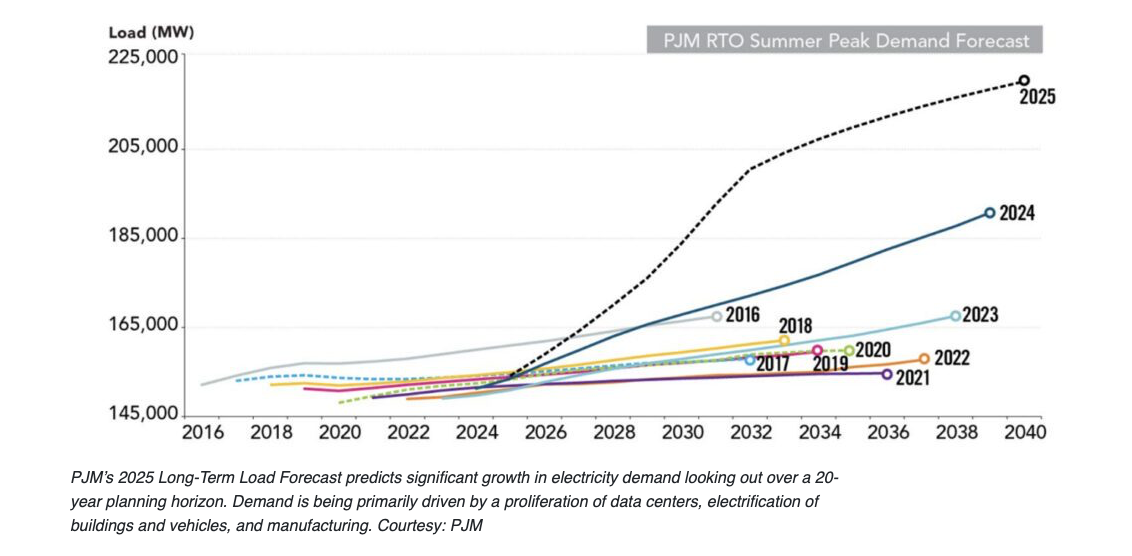
The forecasted shortages are serious. As this is written, it is “Outage Season” in April when electric Demand has typically been very low due to naturally mild temperatures not requiring much air conditioning and very little heating of the lower 48 states. PJM is a good example of the forecast for peak summer and winter loads in just the next few years. As published in POWER Magazine….
“Projected growth:PJM expects its summer peak to increase by approximately 70 GW-from 150 GW in 2024 to 220 GW by 2039-nearly 47% rise over 15 years. Winter peaks could climb to 210 GW by 2039, a 45% increase from the current winter peak of 144 GW.
What to Do?……..
My Suggestion: Build New Coal Plants
Here are my suggestions regarding a Balanced Energy Portfolio which uses coal for at least 30% of America’s electricity generation portfolio. Fred Palmer and Frank Clemente wrote an excellent article on the “Value of Coal”, here. Another, “Subsidized Solar and Wind Is Undermining the Grid, While Coal Provides Reliable Baseload Power, But Trump Is On It!” by Thomas J. Shepstone and the IER here.
Four of my previous articles on the importance of coal power as a significant source of primary energy are here, here, here and here.
The Importance of Primary Energy
America is facing a shortage of reliable, affordable and Dispatchable electricity generation. As summarized in Palmer and Clemente’s Value of Coal article, coal is a proven source of primary energy that meets all three criteria, affordable, Dispatchable and reliable. In addition, it is on-site storable energy. The experiences and end results of using renewables has been much higher costs and less reliability than coal. I wrote an article with electricity price comparisons of the states with the highest cost electricity compared to those states and countries using a high percentage of coal. The highest cost electricity is in states which are on a path to shut down coal plants and use more wind and solar, such as Hawaii, California, Massachusetts, CT, RI and Maine.
The U.S. electricity generation growth is expected to double by 2050. Remember the governments encouragement and EV policies to “Electrify Everything”? We cannot electrify everything, but the electric Demand is likely to double by 2050. Therefore, providing new generation capacity to meet that growth can and should be by the building of new American made coal power plants. Why not Nuclear? Sure, new nuclear plants should be built too. However, new nuclear plants are, in my estimation, more than ten years out due to limitations of the Supply-Chain and (even with President Trump) NRC permitting. The coal plant Supply-Chain and talent can, in my experience and opinion, be ramped up faster than nuclear. Thus, the case for constructing new coal plants ASAP. Back to primary energy. electricity is secondary energy. It must be generated by the use of primary energy and as I wrote in my commentary in POWER Magazine in 2021, “Thermal Power is #1”
Conclusions of How to Solve the Electricity Generation Capacity Crisis
The forecast of needing 128 GW of new electricity generation capacity by 2030 is very close to the total capacity (125 GW) of coal plant shutdowns since 2013. So, why not replace at least that quantity of electricity generation with new clean coal plants?
The Supply-Chain for building new coal plants could in fact be ramped up faster (but NOT Fast enough) than the Supply-Chain for new nuclear generation capacity in the same time period. The Gas Turbine Supply-Chain is already at capacity and new gas turbines have lead times of four or five years.
Building 128 GW of new coal plant capacity is a huge undertaking. I have written before about my personal experiences at the Roxboro Generating Station and other 2,000+ MW Coal Plants. It took over fifteen years to build all four units at Roxboro, (first commercial operations 1966-1980), Each unit required about 2,000 skilled craftsmen to construct the units. The 128 GW figure represents over 50 plants the size of Roxboro. To construct a 2,462 MW coal plant it would take about 80,000 tons of structural steel, a million tons of concrete and tens of thousands of miles of wire and yes, likely more than ten years to complete from permitting, design, component manufacturing and field construction stages through commercial operation. Just one of the four units, Roxboro #3 became a contract in 1968 and began commercial operations in 1973. It took two more years of debugging to reach full capacity. I know, I was the lead startup engineer. That was then and with a vibrant and capable supply chain.
From a skilled talent perspective, this is a lot of engineers for design, Boilermakers, Pipe fitters, Iron Workers, Instrument Technicians, electricians and many more skills for the construction. Than there is the manufacturing supply-chain. One example is the once magnificent Manufacturing facilities at Combustion-Engineering’s Chattanooga Works. Now this is gone. A previous article covered the power generation supply-chain of the 1970’s here…The challenge is formidable, we should start now.
Warm regards,
Dick Storm, April 18, 2025
References and Information for Further Research on “How we Got Here” the Importance of Primary Energy and more for your reading enjoyment and enlightenment of energy policies in America.