Ken Haapala is President of the organization, “Science and Environmental Policy Project. Ken has been publishing TWTW (The Week That Was) Newsletter since the 1990’s. His informative Newsletters can be found here. This week, Mr. Haapala’s quote of the week is apropos for the importance of energy in our lives.
“The cavemen had the same natural resources at their disposal as we have
today, and the difference between their standard of living and ours is a difference between the knowledge they could bring to bear on those resources and the knowledge used today…..”
Thomas Sowell
I would continue from Sowell’s quote….
To produce sufficient energy that drives our economy, industry and nearly every comfort and convenience that we have come to enjoy since muscle power provided most of the energy for farming and transportation only 125 years ago….
The path to Net-Zero carbon is a path to Socialism, decarbonizing electricity and transportation energy will not improve human health or improve air quality. The so-called transition to reduced carbon dioxide production (aka Net-Zero or IRA) is disconnected from reality and there is no plan to keep an adequate energy supply for sustaining our current life styles, industrial production, freedom of travel and economic prosperity. The current government policies are Anti-American. The Institute for Energy Research has chronicled 200 actions by the Biden Administration which make it harder to produce oil and gas. Link here. Expansion of the government Regulations that are a large part of the “War on Coal” are detailed by Paul Driessen and PA Pundits, “Congress And The Courts Enable Climate And Energy Fantasies And Government Expansion” Here. Coal power restrictions and the likely electricity Blackouts in the future is chronicled by America’s Power, Here. Also, the author’s presentation to the ENERUM Energy Forum, stating “There is NO Energy Policy, only a policy of Decarbonization”, August 2022, Here. More recently, my takeaways of my PowerGen Panel discussion, here.
I used to think the Democrats and Swamp Bureaucrats in government were trained in, “Political Science”, and not real technical engineering science. At one time I thought they just did not understand the technical details of energy and electricity generation and were naive. However, the fact is, there are enough smart, technically trained engineers in the Bureaucracy (14,000 in the DOE & NETL plus 95,000 contractors and 18,000 in the EPA. with an almost $10 Billion Budget) Biden has the engineering talent resources to have become informed if he chose too. The Department of Energy, NETL, EPA, DOD all employ thousands of engineers. Now after observing the energy and electricity policies of the last three years of the Biden Administration I am of the strong opinion that the weakening of America through the “CCP Trojan Horse” Climate Policies…are in fact, all intentional. Many references are provided to support this conclusion in this and previous articles I have written. Links to these articles are provided below.
Eliminating or attempting to eliminate hydrocarbons from use in America is a movement toward de-growth, de-industrialization, food shortages, more inflation and restrictions on our freedoms. Simply stated: Over Regulated & Restrictive Big Government Socialism.
Net-Zero carbon is a path of the politicians to wield even more control over our lives. It is a political movement by unelected NGO’s to influence government officials. The “Swamp Bureaucrats” are out of touch with Reality and the current “Green New Deal” Climate Policies, are codified as the (mis-named) “Inflation Reduction Act“. This sadly, is the result of years of very well organized scare tactics and court actions intended to instill fear and used effectively to demonize the fuels that our society depends on. The war on carbon is not based on science. Net-Zero Carbon is a path to weaken the people of the free western world. This began with the Presidency of Bill Clinton and the ramping up of New Source Review lawsuits and then was further expanded by the revolving door of employment of radical extremists into high government positions during the Obama Administration. An informative report by the 114th Congress is here. My take on the beginning of the War on Carbon is here. My thoughts on the major U.S. Energy policy influencers, here.
Depending on 100% carbon free fuels (and continuing our high quality of life) by 2050 is delusional and impossible!
I have written much on the origins of the war on carbon and the destructive path of prematurely shutting down coal plants for reliable electricity generation. An Energy Forum presentation and three previous articles are here , here and here. In this article I will attempt to consolidate previous thoughts into one to discuss reality. Also a realistic approach to reducing carbon emissions while keeping America’s productive capacity and economy energized.
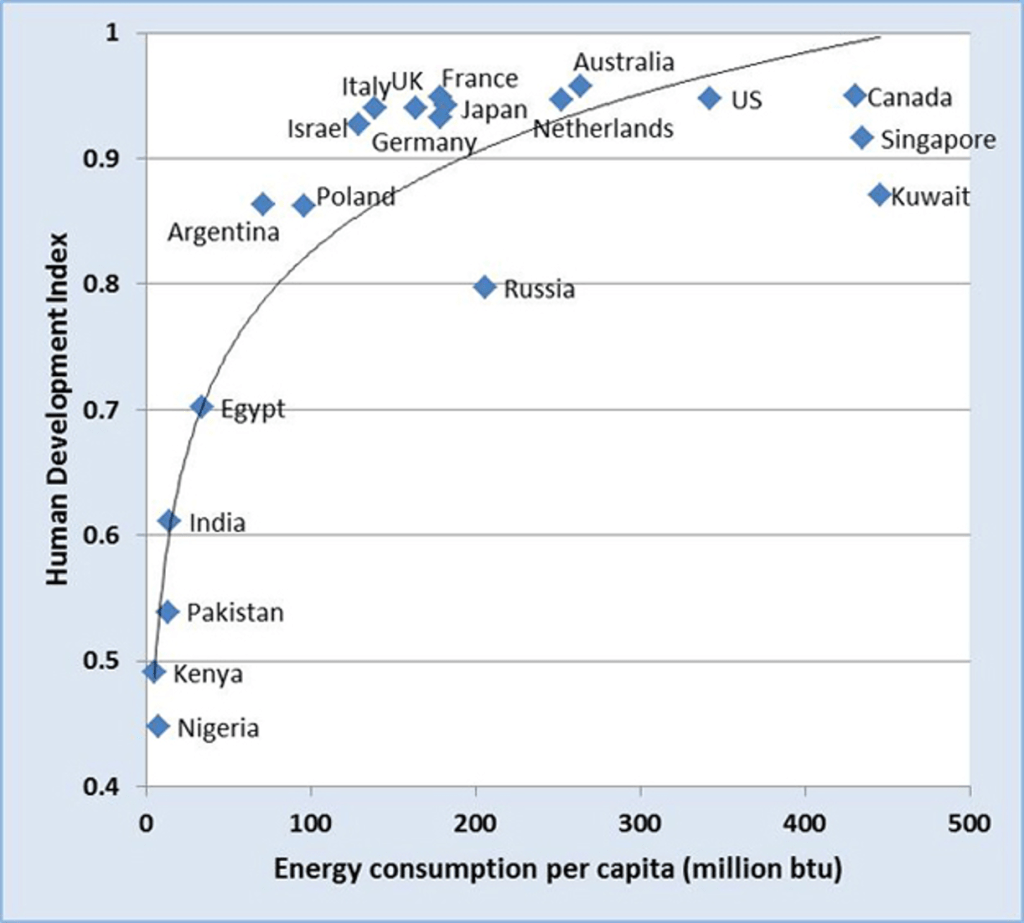
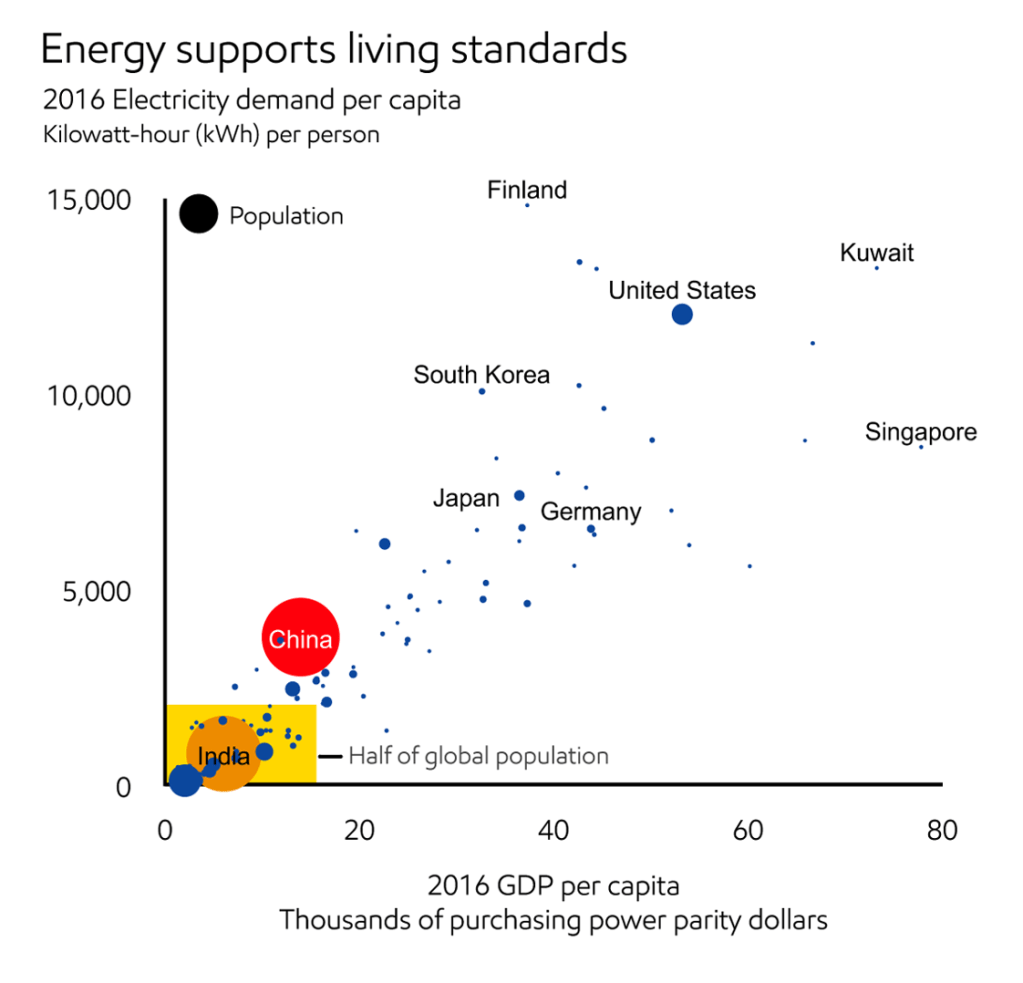
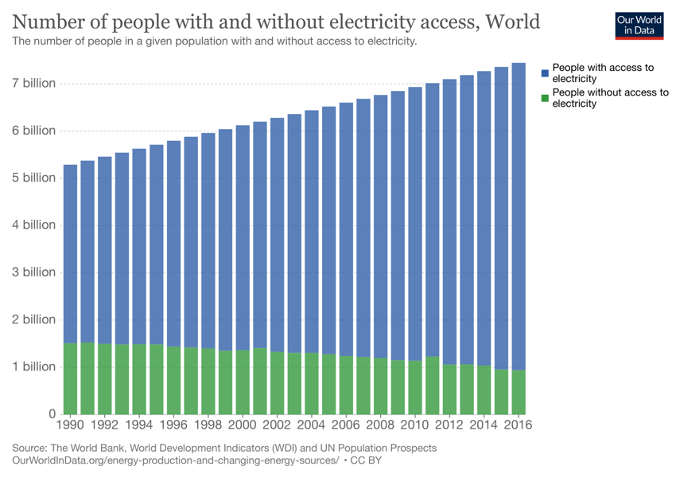
Energy is the Economy & Energy is the Sustainer of Our High Quality of Life.
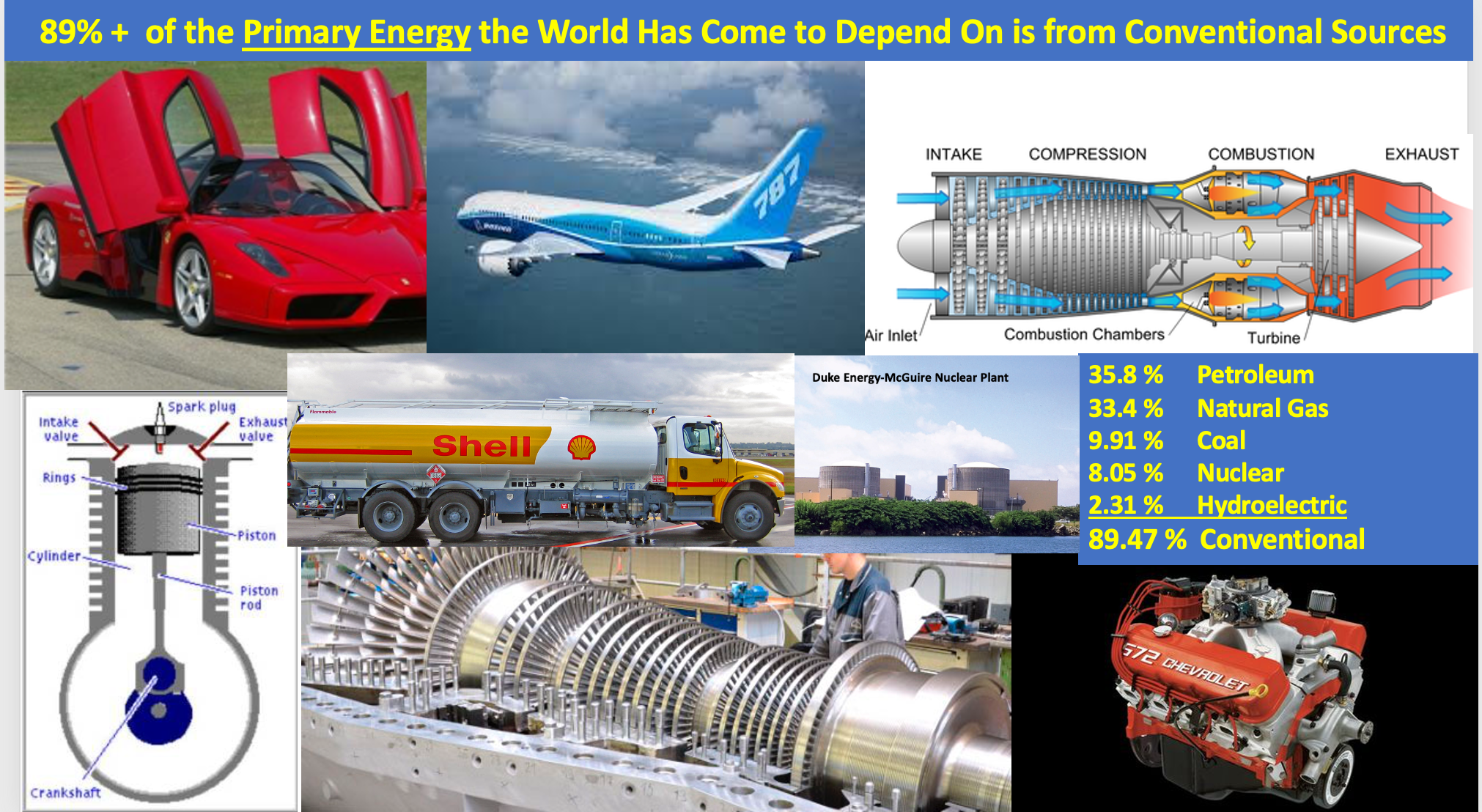
We must be realistic about how fast we can reduce carbon emissions without destroying America as we know and love it. Energy powers life as we have come to enjoy it. Each American uses between 830,000 to 1,000,000 BTUs of energy each day. The energy we need and depend on each day is described in numerous articles, three of these previous articles are here, here and here. This quantity and reliability of energy from conventional sources cannot be replaced with wind and solar. Period. See my previous article on the enormity of the energy we depend on, Here. We have come to depend on this quantity of affordable, reliable energy of which 87% is sourced from gasoline, natural gas, Diesel, coal, Jet fuel and nuclear. The current government path is attempting to abolish fossil fuels which provide over 79% of our energy. The figure above showing 89%+ conventional fuels including nuclear and old hydroelectric plants. I consider these (Nuclear, Gas, Coal, Petroleum and Old Hydroelectric plants) all conventional forms of energy. America will continue to require a minimum of 100 Quadrillion BTUs of energy per year and grow to more than 100 Quads with population growth and more application of technology, such as Data Centers and AI. Read more about the increase in electricity growth, here, here and here. These new Data Centers use nearly as much power as aluminum smelting operations. Some over 250 MW each. It will take much more electricity generation to electrify vehicles and power data centers. Data centers today use about 4% of total electricity use. The future of “Electrifying Everything” suggests an increase in electricity use and instantaneous demand, not a decrease.
Reliable Primary Energy and Electricity = Continued and Sustainable High Quality of Life
Energy and affordable/reliable electricity generation is a pre-requisite to sustain our current quality of life and freedom. The sources for this energy beyond 2050, in my opinion, will be from conventional forms of energy: Natural Gas, Nuclear, Coal, Gasoline, Diesel, Jet Fuel and yes, including Coal
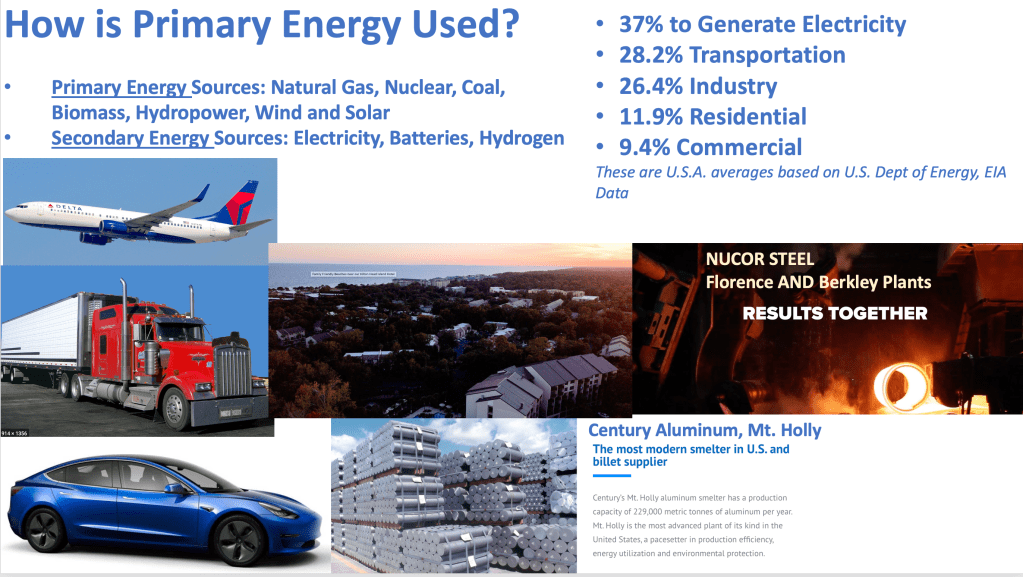
Furthermore, Crude oil, natural gas and coal provide the feedstock for production of thousands of products, and including food production. Energy is required for our high quality of life and including all basic essentials. Including Food, Steel, Cement, Plastics, Water Purification, Sewage Treatment and Fertilizer. When energy costs rise, they do in fact contribute to inflation. Why? Because energy is used for everything! From fertilizer for food production to the processing and transportation of ice cream. Primary metals, such as aluminum, copper & steel use enormous quantities of primary energy to produce. Much of that production has been shut down in the U.S. and moved to Asia.
Take aluminum as an example. This is from an article in the WSJ and a presentation I made in 2016. This shows how China climbed from nearly zero aluminum production in the year 2000 to becoming the major producer of over 50% of the world’s aluminum production by 2016. This rise of China’s economy is fueled by energy use. A reminder, it takes about 5 kWh’s of electricity to produce one pound of aluminum. (about 45,000 BTU’s to smelt one pound) This is for just smelting, and it does not include refining of Bauxite to Alumina, transportation or manufacturing energy to produce final products. China uses mostly coal fuel for their aluminum production. The rise of China’s energy and economy is covered by previous articles here and here.

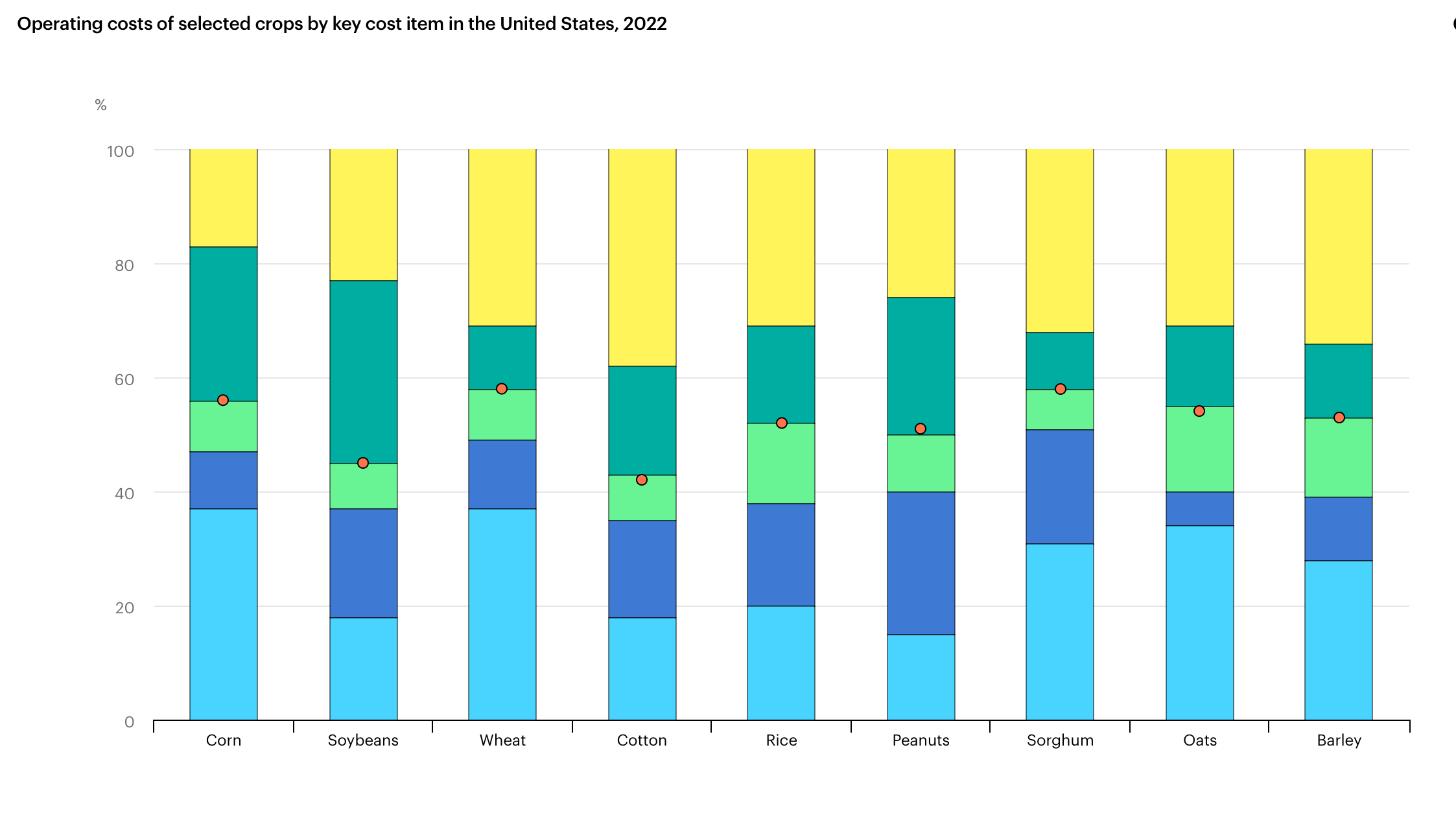
The IEA report on energy costs impacting food report is here. The production cost component of most grains is about 50% energy related. The small red circles represent the energy cost component of production. Therefore, it is a fact that rising energy costs contribute to inflation.

A Realistic Approach to Electricity Generation with Reduced Carbon Dioxide Emissions
America has led the world in the reduction of the rate of carbon dioxide emissions since 2007. How? Largely due to the substitution of electric power generation using natural gas fuel for power generation. That is, replacing power generation once accomplished with coal fuel, with natural gas powered generation. Natural gas power generation in a modern combined cycle gas turbine plant produces about 50% of the CO2 emissions as produced by coal power generation. The U.S. total carbon dioxide emissions are shown on the chart below. CO2 emissions dropped from a high of about 6,000 million metric tons to about 4,600 million metric tons in 2020. The sharp drop 2019-2020 was due to Covid and shrinking economic activity. However, the reduction in U.S. emissions of carbon dioxide is almost 25%. As the economy recovers CO2 is expected to increase to about 5,000 million metric tons in 2023. This is still a 16 % reduction from 2007. The most effective path to further reductions in total carbon dioxide emissions is to use more nuclear power for power generation. However, due to supply-chain limits and restrictive Federal NRC Regulations, sufficient capacity of new nuclear plants to replace the over 102,000 MW of coal plants shut down since 2012 will take decades. See previous articles here and here.

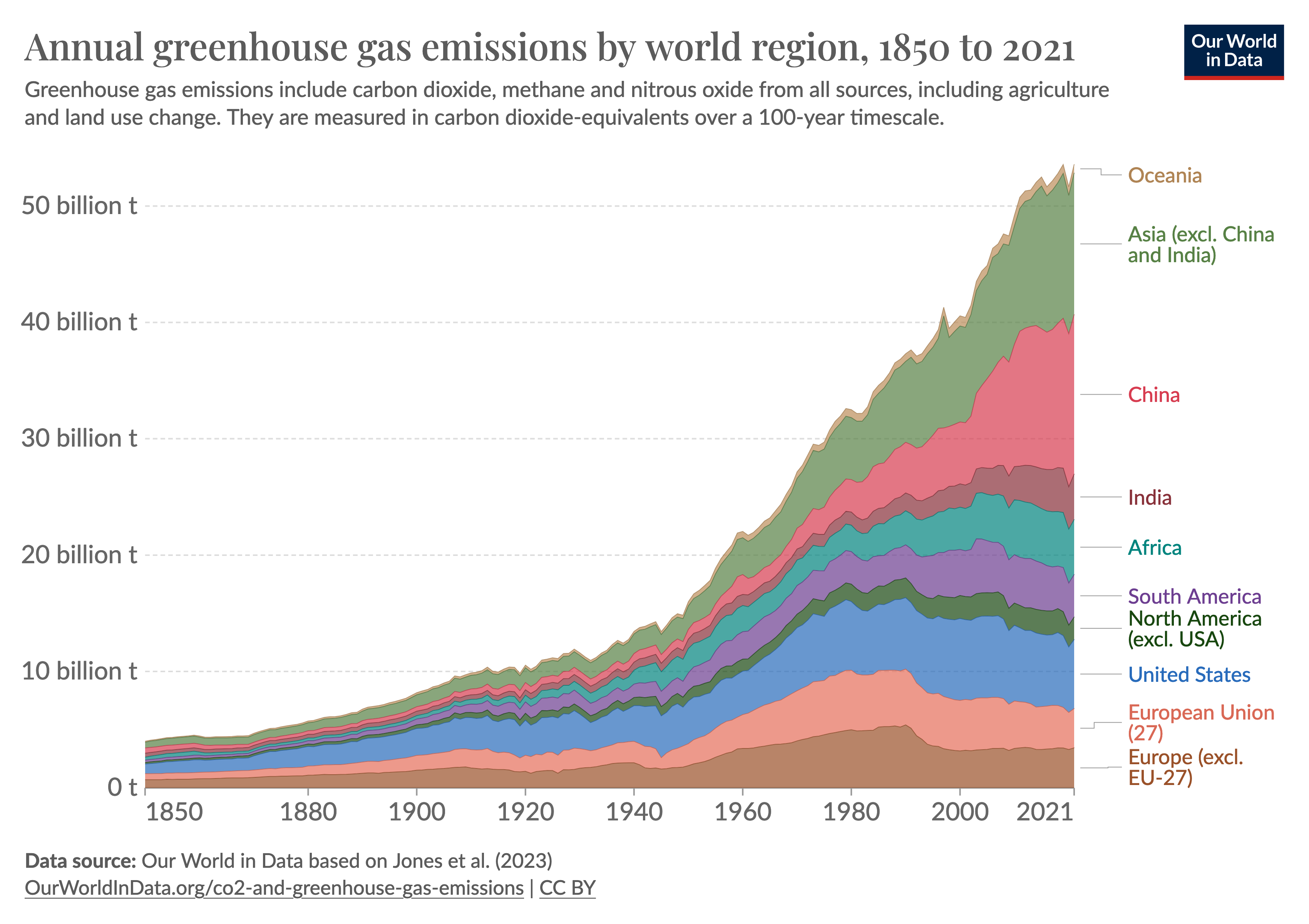
Just to put the U.S. CO2 Emissions in perspective. Here is a chart from Our World in Data which shows the CO2 emissions of various countries. The U.S. produces about 16% of the world’s CO2 emissions. China produces about 26%. The comparisons of China and U.S. energy and manufacturing was discussed in a previous article.
Carbon dioxide emissions are primarily a matter of hydrocarbon chemistry. Both coal and gas fuels contain carbon and when combusted the products of combustion form CO2 . The creation of CO2 from combustion is impossible to change. Fuels that have fewer carbon atoms, such as methane, create less CO2 than coal. Coal fuel derives most of it’s energy from the combustion of the carbon molecules. Methane derives most of it’s energy from the combustion of the hydrogen molecules. The figure below shows the electric power production 2004 and 2019. The greater use of natural gas is due to the Hydraulic Fracturing Revolution which greatly increased U.S. natural gas production with a consequent reduction is natural gas pricing. Harold Hamm’s book, “Gamechanger” chronicles the Shale Gas Revolution. The increased supply of low cost natural gas kept electricity prices stable until current times.
The electric power generation from natural gas in 2024 is expected to be over 50%. Is This Good?
Why? Because of increased solar and wind generation facilities need to be backed up with reliable, dispatchable Bulk Power generation capacity. Also, reliable coal plants are being prematurely retired and demolished, which I discussed in a previous article here. Therefore natural gas generation has grown rapidly from both the shutdowns of coal plants and the increased CCGT (Combined Cycle Gas Turbine) plants built to provide power when the wind is not blowing and sun not shining.
Greater dependence on natural gas is good for the reduction of carbon dioxide emissions, as the U.S. has demonstrated since 2007. See chart below.
However, Dependence on “Just in Time” pipeline supplied natural gas is risky for a reliable electricity supply. Why is it risky? Because if pipelines are compromised whether by extreme weather, mechanical failure, government regulations, or by criminal sabotage, the fuel supply can be interrupted. With no fuel on site storage, a major highly efficient and state of the art, 600 MW CCGT power plant will reach zero power output in minutes when pipeline gas stops. However, Coal and nuclear plants can store sufficient primary energy for months and in the case of nuclear, years of generation. A Balanced generation portfolio of at least 75% Dispatchable nuclear and coal plants is preferred, in my experience.

One of the main reasons the total CO2 emissions of the U.S. dropped since 2007 is largely due to the increased use of natural gas to replace coal for power generation. Good, as long as a reliable gas supply is maintained. As mentioned above, and worth repeating, the U.S. will likely reach 50% + dependency on natural gas fueled power plants for fuel in 2024. I see this as an unbalanced and risky generation portfolio. But, then most of my career was as a coal power generation engineer.
Air Quality has Improved since 1970
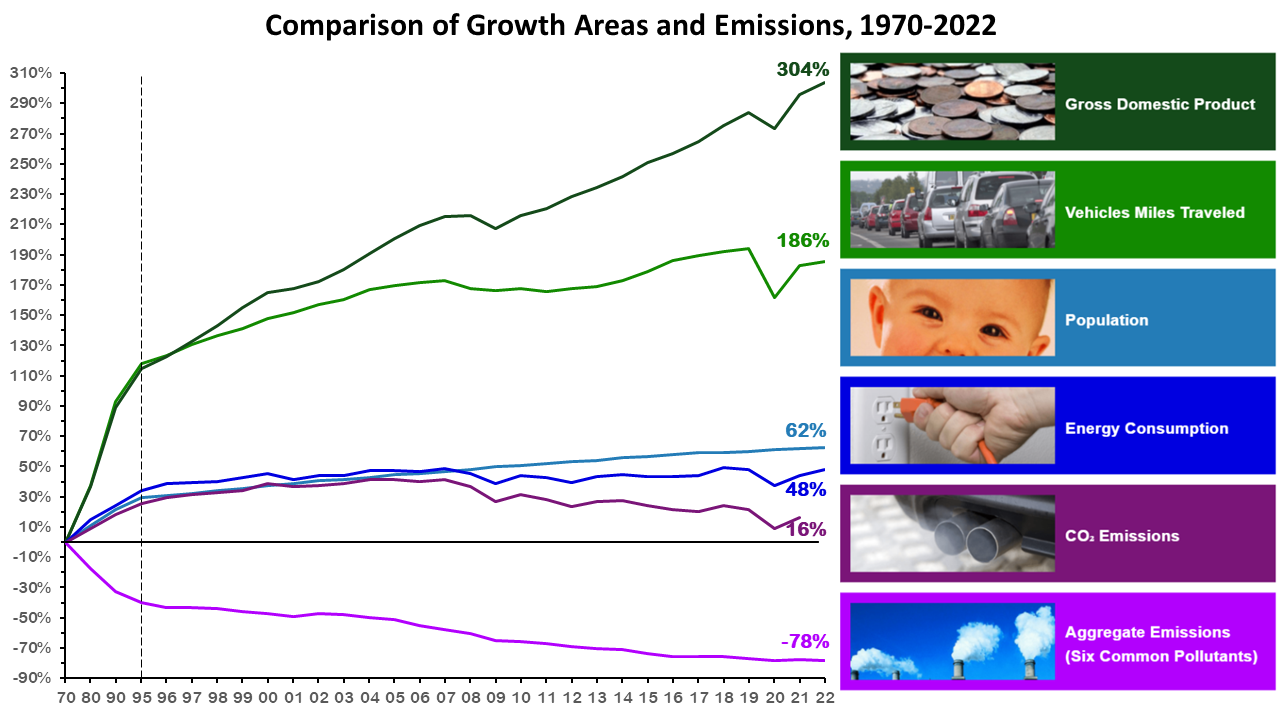
The overall trend of improving air quality is shown on the chart from the EPA below. Yes, in 1970, the EPA was needed to clean our air. The six major pollutants of CO, Sulfur, Lead, Ozone, Particulates and Nitrogen Oxides have been drastically reduced to healthy levels, even as population, GDP and vehicle miles driven have increased.
Chemistry of Combustion and CO2
Let’s get back to the fundamental chemistry of natural gas and why natural gas produces less carbon dioxide than coal for the same unit of power generation. Gas power generation produces about half the CO2 of a similar unit of electricity generation from coal. Why? Primarily because natural gas is over 95% methane. The chemical symbol of Methane is CH4 . That is four molecules of hydrogen and one molecule of carbon. This compared to coal which, depending on the coal rank, and on an ash and moisture free basis, derives about 95% of its heating value from carbon. This is the main reason of why and how America has led the world in carbon dioxide reductions since 2012. Substituting coal power generation with natural gas can provide the same primary energy as coal with about 50% of the carbon dioxide emissions, due mostly to the differences of carbon intensity of methane and coal. Another factor in power generation is, that “Combined Cycle Gas Turbine” (CCGT) plants are much more efficient than Rankine Cycle coal fueled steam plants. Modern gas fueled CCGT plants can achieve up to about 65% efficiency, Ultra-supercritical Steam plants up to about 42% efficiency.
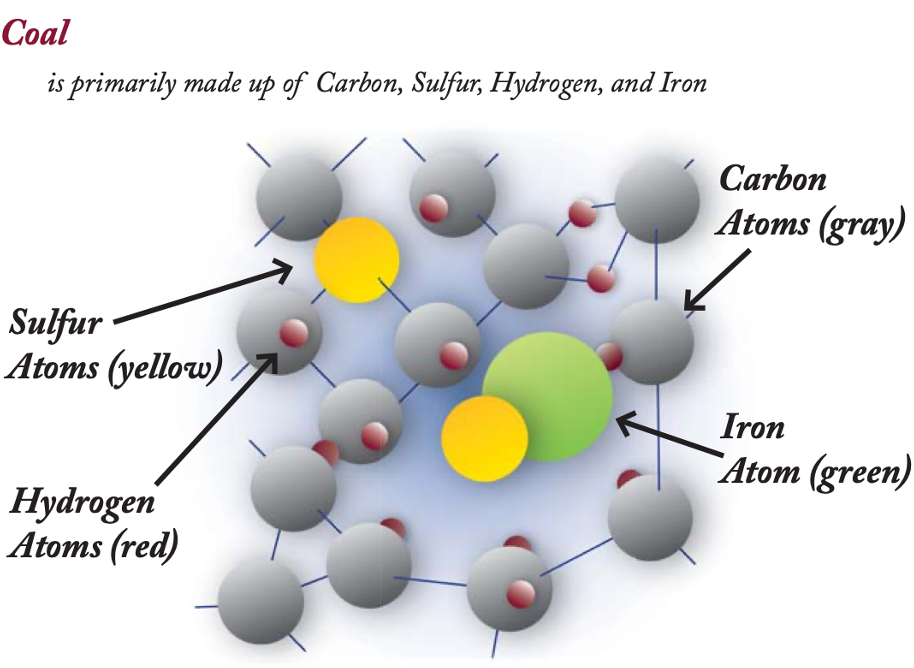
Here are examples of coal and methane molecules to illustrate the different carbon intensity of coal and natural gas.

A molecule of methane gas has one central atom of carbon with a molecular weight of 12 surrounded by four atoms of hydrogen, each with a molecular weight of 1.
A coal molecule, by comparison is mostly carbon and derives most of it’s heating value (primary energy) from carbon.
Fundamentals of Energy and Work
America uses right at 100 Quadrillion BTUs of Primary energy. Previous article here. Each BTU (British Thermal Unit) when converted to work at 100% efficiency is equivalent to 778 Foot Pounds of work and when 3,412.6 BTU’s are converted to electricity at 100% efficiency can generate 1 kWh. Human muscle power/energy is equivalent to about 100 watts. Think about using a hand pushed lawnmower, (if you remember those), and compare to cutting your lawn with a 2 Hp gasoline powered lawnmower with less than a gallon of gas in the tank. More on replacing muscle power, energy and economic prosperity are written on previous articles, here, here, here and here.
Energy and Economic Prosperity
Designing and manufacturing products provides jobs. Manufacturing provides funding for R&D to create new and better products. It is best for America if manufacturing was mostly within our borders. I have written on this before and the quote below is copied from substack, Doomberg (3)
Energy is not an input into the economy, IT IS THE ECONOMY. Humanity organizes its economic activities to ensure a steady growth in the extraction and exploitation of primary energy because energy is life, standards of living are defined by how much energy is available to be exploited, and all humans everywhere are perpetually seeking a higher standard of living.
Primary energy is what powers a modern economy and America needs about 100 Quadrillion BTUs of energy each year. This was described in the series parts 1-4.(50, 51, 52, 53)
So, Where Does the 100 Quadrillion BTUs of Primary Energy Come From?
Here are the sources of Primary Energy for the U.S. in 2022.
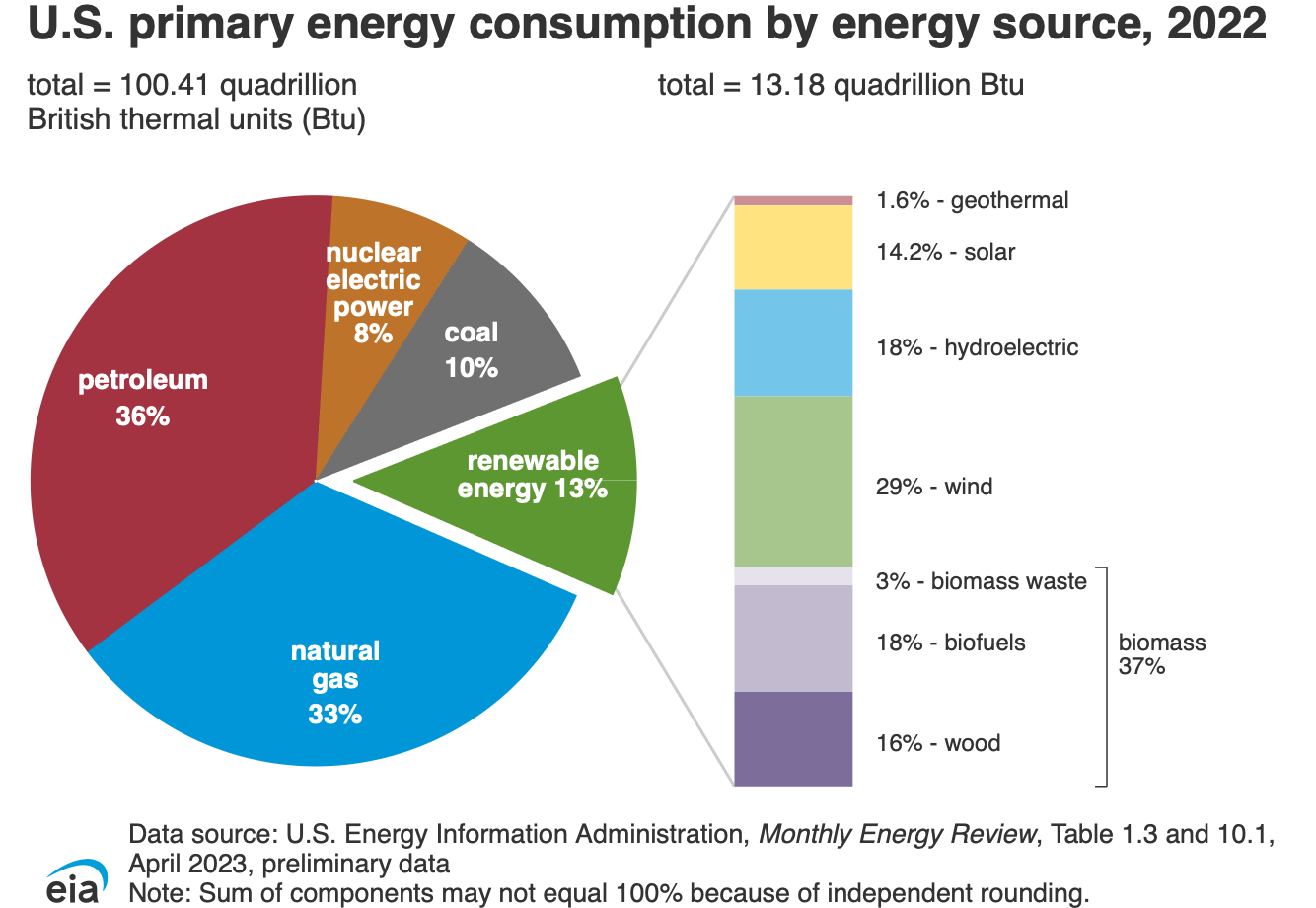
As can be seen conventional fuels of natural gas, petroleum, nuclear and coal provide 87% of the energy we need (more than 89% if old hydroelectric plants are included). Eliminating fossil fuels (79%) will create great harm to our economy. Those of us that were adults in the 1970’s remember the economic pain and disruption of our lives due to the Oil Embargoes. Temporary loss of industrial capacity, jobs, and restrictions on travel and our way of life. The Oil Embargoes of 1973-1980 were temporary and America solved the energy shortages! Now, Forcing Net-Zero Carbon by current government Regulations will be irreversible and permanent. Our politicians could take a look at the impact on the German economy from their attempt to replace coal and nuclear with wind and solar. It has not worked and is well documented. Here are two references, Here and here.
Loss of Supply-Chains are Nearly Irreversible
Once Net-Zero Carbon is imposed, the Domestic supply chains will be lost. Therefore, without a rational transition Net Zero Carbon policies, aka “Inflation Reduction Act or Green New Deal”, will literally plunge us into darkness and despair if we do not wake up to the need to do much more with natural gas, coal and nuclear power to generate the electricity. We must have reliable, affordable and Dispatchable energy and electricity to sustain our lives. More energy to grow and prosper. I wrote and article covering the path of the U.S. nuclear power industry here. Long story short, we mortally wounded the nuclear steam system supply-chain with over-regulations by the NRC and other government decrees.
Summary and Conclusions
Reduction of Federal Regulations should be top priority. The total government Swamp Bureaucracy has been engaged to restrict conventional forms of energy. This must stop.
A rational path forward is to roll back EPA Rules to those in effect in 2012. It is my strong opinion and observation that any rules applied after 2012, especially those overly restrictive on coal plant emissions are simply weaponization of government against coal. Similar restrictive rules by other government agencies have been applied toward the production, refining and transport by pipeline of oil and gas. The Congressional report here, explains why I picked 2012 as a Roll back year..
Replacing much (but not all) of the 100 Quadrillion BTUs of needed energy in America could be done with carbon free nuclear electrification and even including hydrogen production from nuclear generated electric power. However, with current regulations and supply chain limitations, expanding nuclear beyond the current fleet will take decades. In my view nuclear power is a very good approach. As it was in 1954 when the head of the Atomic Energy Commission proclaimed, “Electricity from nuclear will be too cheap to meter”. It took about 30 years to reach 20% of U.S. electricity generation from nuclear. Since then, enormous regulatory roadblocks have been enacted into law that make a repeat 30 year success story very unlikely. So, what do I recommend? I recommend rolling back EPA rules to those in effect in 2012 and building new coal and nuclear plants. Coal and nuclear generation is the foundation of electricity reliability even today when there is extreme weather, especially extremely cold winter periods. So, why not build some more proven coal and nuclear plants to strengthen our energy and electricity reliability and security with a “Balanced Portfolio” of generation?
In closing, let me quote chapter 8 of Donn Dears book, “Clean Energy Crisis“. This is what Mr. Dears calculated that it would take to replace fossil fuels with carbon free power. Build these:
881 new nuclear power plants similar in size to one of Georgia Power’s Plant Vogtle Units
BTW it took over ten years to just build two 1,100 MW units at Vogtle
995,141 new 2.5 MW wind turbines
3,919,006 MW of PV of solar power
Read Mr. Dears book. It is only 128 pages including the index, Dears Bio and references. Please also read the other references below. Most importantly, become an energy savvy voter in November. America needs a realistic path forward for energy and electricity production. Thank you for reading this.
Yours very truly,
Dick Storm, March 9, 2024
References for further reading and research
- Wall Street Journal Editors Opinion, “Big Climate (Government) Censors Opposition to EV’s” : https://www.wsj.com/articles/biden-electric-vehicle-mandate-american-fuel-and-petrochemical-manufacturers-ads-fcc-climate-power-578876e5?mod=latest_headlines
- NASA Goddard Space Center information on the Environment and methane gas: https://www.giss.nasa.gov/research/features/archive/200409_methane/
- Doomberg, Atlas Won’t Shrug”, Energy is the Economy, feb. 20, 2024: https://doomberg.substack.com/p/atlas-wont-shrug
- Comparisons of China and U.S. from an energy perspective, Jan. 2023: https://dickstormprobizblog.org/2023/01/18/comparison-of-china-energy-electricity-generation-with-u-s-a/
- China CO2 Emissions about 26% of world total in 2022, by Statista: https://www.statista.com/statistics/1037051/china-global-carbon-emission-share/#:~:text=China%27s%20share%20in%20the%20global%20carbon%20emissions%202002%2D2022&text=China%20accounted%20for%2026%20percent,rapid%20industrialization%20and%20economic%20growth.
- Without New Thinking on Nuclear Power, Anti-Carbon Policy Can’t Succeed, Nov. 11, 2021 : https://dickstormprobizblog.org/2021/11/13/without-new-thinking-on-nuclear-power-anti-carbon-climate-policy-cant-succeed/
- Facing the Hard Truths of Energy, Part 2, The Reality of Replacing Conventional Forms of Energy, Jan. 2024: https://dickstormprobizblog.org/2024/02/06/facing-the-hard-truths-of-energy-part-2-some-facts-on-the-reality-of-replacing-conventional-forms-of-energy/
- Review of Harold Hamm’s Book, “Gamechanger” on Dick Storm blog: https://dickstormprobizblog.org/2023/09/17/harold-hamms-book-game-changer-a-must-read-for-elected-officials-and-candidates-for-elective-office/
- “The War on Carbon, How it Came to Be”, Dick Storm blog, Oct. 16, 2021: https://dickstormprobizblog.org/2021/10/16/the-war-on-carbon-how-it-came-to-be/
- Thomas J. Shepstone article, ” Wake up America, Your Energy Security is Being Sabotaged from Within” March 4, 2024 : https://www.linkedin.com/posts/tom-shepstone-b70b04b_wake-up-america-your-energy-security-is-activity-7170753138457567233-SqI3?utm_source=share&utm_medium=member_desktop
- The Importance of Energy to Power Our Lives, Part 2, Aug. 28, 2020 : https://dickstormprobizblog.org/2020/08/28/the-importance-of-energy-part-2-our-energy-sources/
- The Importance of Energy, Part 3, Heat Engines, Sept. 9, 2020: https://dickstormprobizblog.org/2020/09/09/the-importance-of-energy-part-3-heat-engines-a-primer/
- 830,000 BTUs per Day/Person, Sept. 2021: https://dickstormprobizblog.org/2021/09/16/830000-btus-per-day-person/
- Understanding Data Center Electricity Demand by C&C Techgroup, June 2023: https://cc-techgroup.com/data-center-energy-consumption/
- Power Hungry Google Data Centers to be Built in S.C. Charleston Business Journal, Feb. 15, 2024: https://charlestonbusiness.com/tech-giant-google-coming-to-dorchester-county/
- America is Running Out of Electricity Generation, Washington Post, March 7, 2024: https://www.msn.com/en-us/money/companies/amid-explosive-demand-america-is-running-out-of-power/ar-BB1jtM69
- EPA Air Quality Trends, Nov. 2023: https://www.epa.gov/air-trends/air-quality-national-summary
- Facing the Hard Truths of Energy, Part 1, 79 Quadrillion BTUs, The Enormity of the Fossil Energy Systems Providing Sustainable Lives, Jan. 11, 2024 : https://dickstormprobizblog.org/2024/01/11/facing-the-hard-truths-of-energy-part-1-79-quadrillion-btusthe-enormity-of-the-fossil-energy-systems-providing-sustainable-lives/
- The Green Energy Crisis is Here, Part 1, May 29, 2024 : https://dickstormprobizblog.org/2023/05/29/the-green-energy-crisis-is-here-part-1/
- The Green Energy Crisis, Part 2, The Influencers that Caused it, :
- The Green Energy Crisis, Part 3, June 26, 2023: https://dickstormprobizblog.org/2023/06/26/green-energy-crisis-part-3-public-energy-education-is-needed-each-person-in-the-u-s-uses-about-315-million-btus-of-primary-energy-year-this-is-not-practical-or-even-possible-to-replace-with-win/
- The German De-Industrialization Experience from Too Much Dependence on Green Power, Politico on German Indstry Shutting Down, Moving to China due to shortages and high Costs of energy: https://www.politico.eu/article/rust-belt-on-the-rhine-the-deindustrialization-of-germany/
- Bloomberg, German Industry Days as Industrial Superpower Coming to an End, due to Energy Costs/shortages: https://www.bloomberg.com/news/features/2024-02-10/why-germany-s-days-as-an-industrial-superpower-are-coming-to-an-end?embedded-checkout=true
- ENERUM Energy Forum in Columbus, Ohio, August 2022. Dick Storm Presentation on LinkedIn: https://www.linkedin.com/posts/richard-storm-00557810_presentation-and-speakers-notes-from-august-activity-7068650158862827520-B-_W?utm_source=share&utm_medium=member_desktophttps://www.linkedin.com/feed/update/urn:li:activity:7056884647858765824?updateEntityUrn=urn%3Ali%3Afs_feedUpdate%3A%28V2%2Curn%3Ali%3Aactivity%3A7056884647858765824%29
- Wake Up Americans, Your Energy and Electricity Reliability is At Risk!:
- Hawaii Electric, “A Glimpse Into The Future of The Green New Deal” : https://dickstormprobizblog.org/2020/06/03/hawaii-a-gimpse-into-the-future-of-the-green-new-deal/
- American Dream=100 Quadrillion BTUs of Energy/Year, July 4th, 2022 : https://dickstormprobizblog.org/2022/07/04/american-dream-100-quadrillion-btus/
- You Tube Video, “Juice” Part #1, Texas 2021 Blackout and concerns for the Grid: https://juicetheseries.com
- Five Great Videos about the Grid, Feb. 2024: https://open.substack.com/pub/blackmon/p/meredith-angwin-5-great-videos-about?r=kv1a9&utm_campaign=post&utm_medium=email
- The Rise, Fall and Rise Again of Nations and the Realities of Energy, Dick Storm Blog, 2023: https://dickstormprobizblog.org/2023/08/15/the-rise-fall-and-rise-again-of-nations-and-the-realities-of-energy/
- Institute for Energy Research (IER) listing of 200 actions by the Biden Administration and Democrats to make it harder to produce oil and gas in the U.S. March 2024: https://www.instituteforenergyresearch.org/wp-content/uploads/2024/03/200-Ways-the-Biden-Administration-Has-Made-it-Harder-to-Produce-Oil-Gas.pdf
- NRC Archives on the History of the Lewis Strauss, then AEC Head, phrase, “Nuclear Power Will Be Too Cheap to Meter”: https://www.nrc.gov/reading-rm/basic-ref/students/history-101/too-cheap-to-meter.html
- Excellent article by Paul Driessen on the expansion of Government Regulations that restrict America’s Energy and Electricity Producers, PA Pundits, Feb. 2024: https://papundits.wordpress.com/2024/02/13/congress-and-the-courts-enable-climate-and-energy-fantasies-and-government-expansion/
- Robert Bryce article on NGO’s and how they impact Federal Regulations, March 2024: https://open.substack.com/pub/robertbryce/p/these-10-charts-caused-an-ngo-hissy?r=kv1a9&utm_campaign=post&utm_medium=email
- Grid Operators Warn of Blackouts due to Excessive EPA Rules, America’s Power, March 6, 2024: https://americaspower.org/operators-regulators-concerned/
- 114th Congress, Majority Staff Report, Obama’s Carbon Mandate, August 2015: http://www.scientificintegrityinstitute.org/USSEWP080415.pdf
- Dick Storm USCB-OLLI Courses, Energy and Electricity Generation 2021, 2022 and 2023
- Stanford University Report on Human Energy by Muscle power: http://large.stanford.edu/courses/2014/ph240/labonta1/#:~:text=The%20average%20human%2C%20at%20rest,can%20output%20over%202%2C000%20watts.
- Dick Storm Rotary Club and Sun City, “Money Talks” Club presentations.
- Ron Stein LinkedIn article on the importance of crude oil: https://www.linkedin.com/posts/ronaldstein_are-policymakers-oblivious-to-the-importance-activity-7165495295676461056-v58C?utm_source=share&utm_medium=member_desktop
- “Clean Energy Crisis”, Book by Donn Dears, 2023. An excellently written, short and concise review of the energy crisis we are facing. Available on Amazon: https://ddears.com/2023/01/03/clean-energy-crisis/
- Energy and Economic Prosperity, Comparison of China and U.S. Dick Storm Blog, Sept. 9, 2020 : https://dickstormprobizblog.org/2020/09/21/part-4-the-importance-of-energy-to-economic-prosperity/
- The rise of China’s Influence in the World and the Need to Reshore Manufacturing to the U.S. , Dick Storm Blog, Nov. 3, 2020: https://dickstormprobizblog.org/2020/11/03/chinas-economic-influence-in-the-world-and-some-thoughts-on-the-need-to-reshore-american-manufacturing/
- How the Energy Crisis is Exacerbating the Food Crisis, IEA, 2023: https://www.iea.org/commentaries/how-the-energy-crisis-is-exacerbating-the-food-crisis
- Dick Storm presentation to the “Delaware County Bar Association in Media, PA, “Energy and Economic Prosperity, My Thoughts” July 2016: https://dickstormprobizblog.org/2016/07/25/energy-and-economic-prosperity-my-thoughts-dick-storm/
- Ken Haapala’s Science Engineering and Environment Policy Project Newsletters, Main page: http://www.sepp.org/the-week-that-was.cfm
- Hawaii’s Green New Deal, A Glimpse into the Future of Electricity Reliability and Cost, based on the “Energy Island of Hawaii, June, 2020: https://dickstormprobizblog.org/2020/06/03/hawaii-a-gimpse-into-the-future-of-the-green-new-deal/
- Dick Storm Panel Discussion Takeaways at PowerGen 2024, LinkedIn post: https://www.linkedin.com/posts/richard-storm-00557810_i-had-the-honor-of-being-on-a-powergen-panel-activity-7156046708139782144-zPoZ?utm_source=share&utm_medium=member_desktop
- U.S. Energy Policy Influencers from Dick Storm’s viewpoint, Jan. 2023: https://dickstormprobizblog.org/2023/01/04/influencers-of-american-energy-policy/
- Facing the Hard Truths of Energy, Part 1, 79 Quadrillion BTUs, The Enormity of the Fossil Energy Systems Providing Sustainable Lives, Jan. 11, 2024 : https://dickstormprobizblog.org/2024/01/11/facing-the-hard-truths-of-energy-part-1-79-quadrillion-btusthe-enormity-of-the-fossil-energy-systems-providing-sustainable-lives/
- Facing the Hard Truths of Energy, Part 2, The Reality of Replacing Conventional Forms of Energy, Jan. 2024: https://dickstormprobizblog.org/2024/02/06/facing-the-hard-truths-of-energy-part-2-some-facts-on-the-reality-of-replacing-conventional-forms-of-energy/
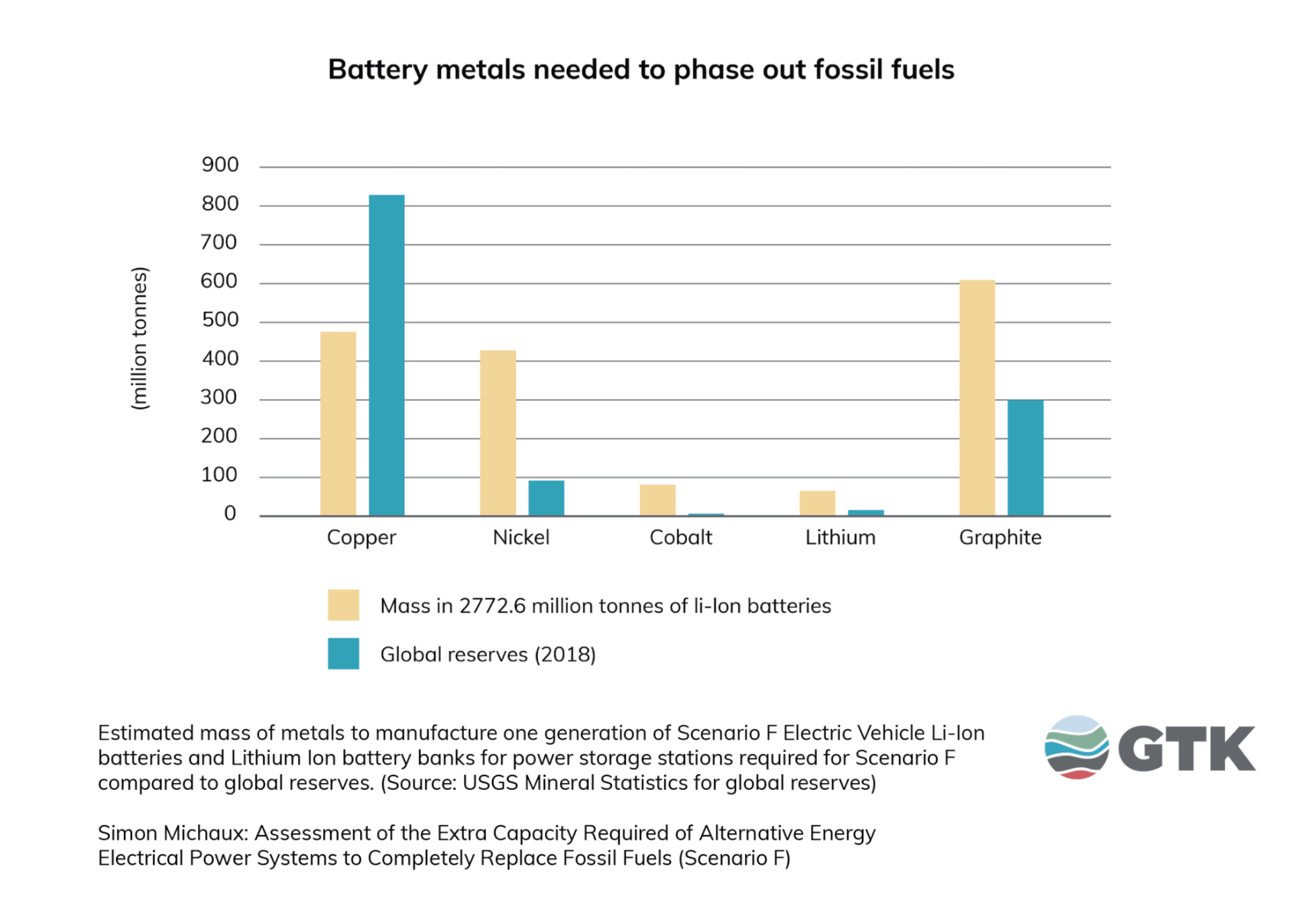
- Facing the Hard Truths of Energy, Part 3, The Transition that Isn’t, from the perspective of Minerals, Feb. 8, 2024: https://dickstormprobizblog.org/2024/02/08/facing-the-hard-truths-of-energy-part-3-the-transition-that-isnt-from-the-perspective-of-minerals/
- Facing the Hard Truths of Energy, Part 4, The True Agenda for Climate Policies, Feb. 13, 2024: https://dickstormprobizblog.org/2024/02/13/facing-the-hard-truths-of-energy-electricity-generation-and-environmental-protection-part-4-what-is-the-true-agenda-for-climate-policies/
- PJM Triples Annual Load Growth Projections Due to New Data Center Demand, Utility Dive, January 2024: https://www.utilitydive.com/news/pjm-interconnection-load-forecast-data-center-ev-dominion-firstenergy/704040/








 Dick Storm's Thoughts on Energy, Education, Economic Prosperity & Environmental Blog