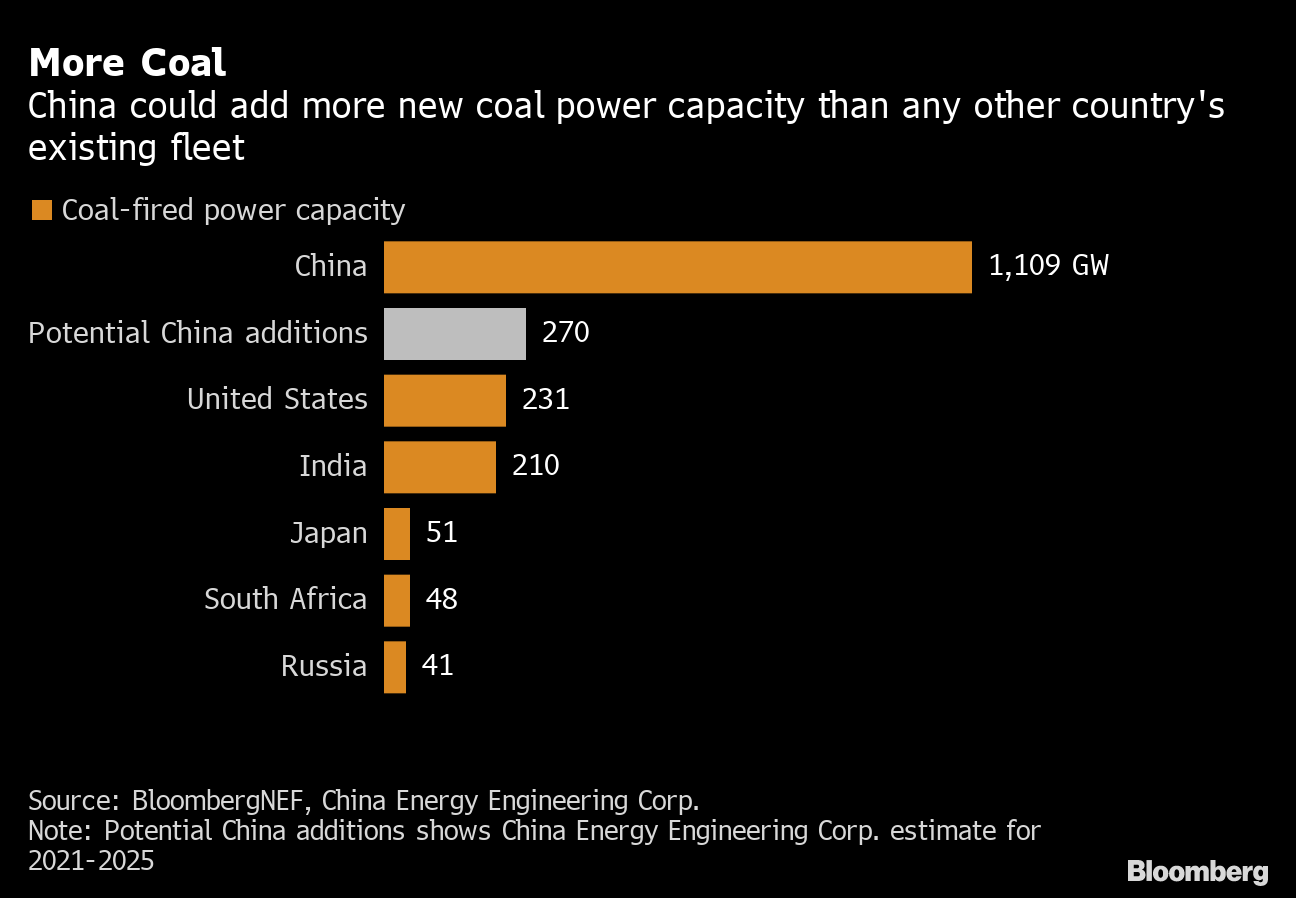
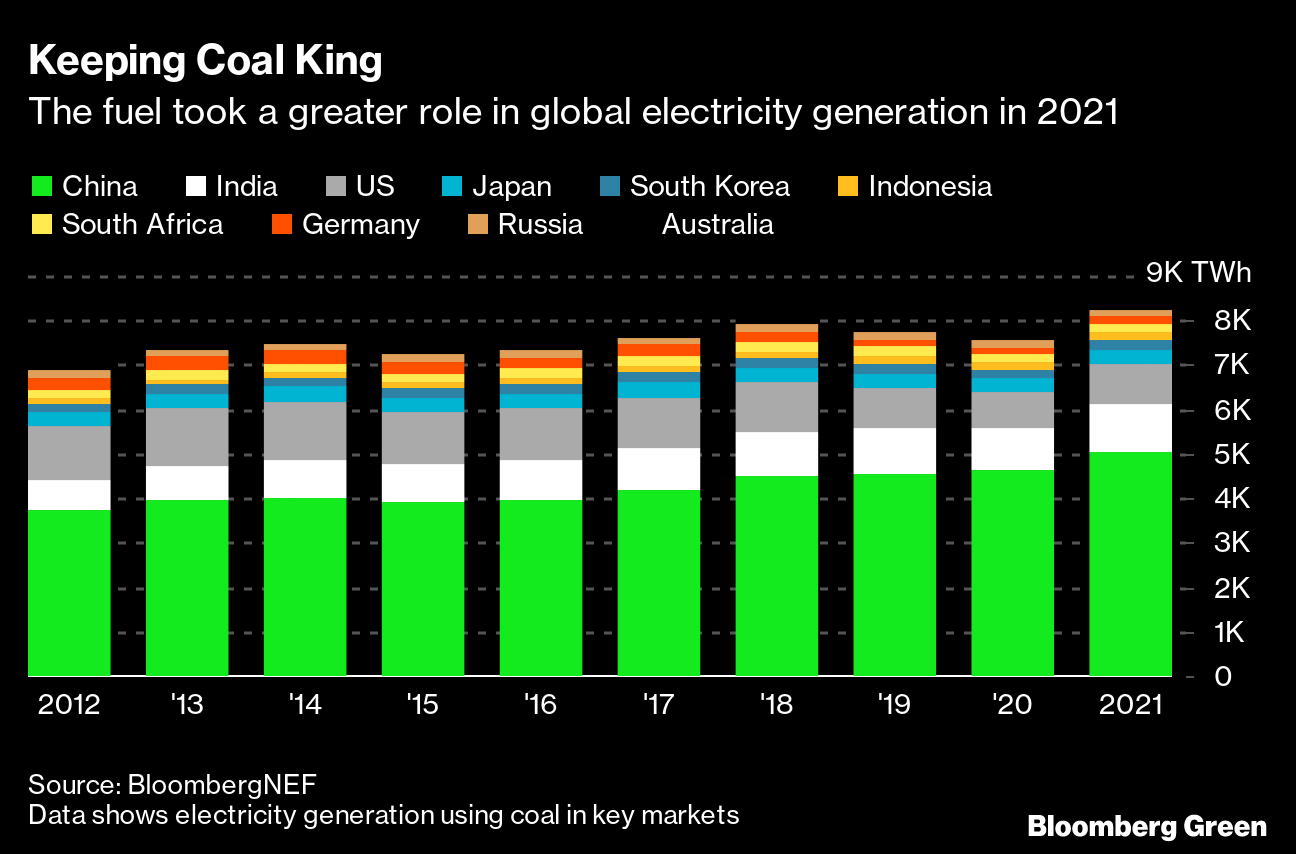
Here is the actual Bulk Power Generation by fuel for Christmas week 2022. Note that at the peak on Christmas eve, 80% of the total electricity generation was from conventional generation using natural gas, coal and nuclear fueled generation. Sixty five percent was from natural gas and coal, this does not fit well for Net-Zero Carbon and abolishing fossil fuels. This is reality. The Clean Energy Crisis is a manufactured crisis that should not have gone this far. Donn Dears has much to offer in his new book
Donn Dears is a genuine energy expert having a long career working on design, manufacturing, maintenance and use of major equipment used in energy production. Donn has studied, worked and witnessed for himself energy production from all areas of the world including Asia and the Mideast. He understands the importance of energy to sustain a high quality of life and he understands the importance of protection of the environment. Like many of us, Donn cares about the planet and the well-being of his children and grandchildren. Clean Energy Crisis distills Donn’s career experiences plus considerable additional research to provide the reader with energy savvy. Facts that, if used can formulate a rational energy policy for the future. Every elected official must read this book and keep it for reference! Here is an outline of the contents.
Part 1 Energy Fundamentals
Chapter 1
Fossil Fuels (Overview of oil, NG, & coal. US has largest reserves in the world.)
Chapter 2
The grid ( Grid is mismanaged. Reliability is in danger. Baseload power essential.)
Chapter 3
Importance of coal (HELE plants essential for poor countries.)
Chapter 4
The promise of nuclear power ( SMRs hold promise for revival. Cost and fear stand in their way.)
Chapter 5
Demand for Materials (Mining and shortages, environmental issues & China.)
Chapter 6
Comparing BEVs and ICEs (Electricity demand, cost and safety issues.)
Chapter 7
Environmental Blackhole (NEPA’s need for reform to prevent interminable legal challenges.)
Part 2 Impossible Dreams
Chapter 8
Impossibility of Net-zero Carbon (Wind, PV solar, & nuclear: impossible to build enough capacity to meet demand.)
Chapter 9
Creating Fear to Sell Climate Change (Show that fear of sea-level rise, hurricanes, etc., is unfounded.)
Conclusion
Appendix A How the grid works
Appendix B Dangerous ESG Mandates
Appendix C Battery-Powered Bucket Trucks
Appendix D Climate Science (Happer, Wijngaarden paper)
Currently over 87% of the U.S. Primary Energy is provided by natural gas, nuclear, coal and old hydroelectric plants. It is engineering fiction to believe that wind and solar can replace these forms of affordable, reliable, dispatchable and high energy density fuels. Clean Energy Crisis explains the roots of the myths of green energy and provides a realistic path forward for U.S. Energy Policy……
Recently I was interviewed by Peter Perri for his Podcast on “Energy Media”. We talked for about an hour and I expressed my opinion on America’s dismal… “Lack of a Rational Energy Transition Policy”. It is just a Decarbonization Policy without provisions for providing power generation until technology and build out of new nuclear catches up. However, Mr. Perri got me thinking and he offered some information regarding the IRA Act 45Q, Provisions for Tax Credits for coal plants that capture and store carbon dioxide (CCUS). That was new to me. I consider myself well read on energy news, but I sure missed 45Q. The CO2 credit is up to $85/ton of carbon dioxide captured and sequestered or utilized. Not that I agree with the legislation or the practicality of CCUS, but it shows some sanity of the policymakers, that they understand America may get around to using its vast, God given Treasure of coal.
Energy=Life as we know it and it takes about 100 Quadrillion BTUs of Primary Energy to fuel our economy and our way of life. As a review of previous posts I have made, here is a summary of approx. how the U.S. uses about 100 Quads/year of Primary Energy. Many folks (those who are not technically trained) do not appreciate or understand the concepts of Primary and Secondary energy. An example is a video on hydrogen that I recently watched discussed hydrogen as a form of primary energy. Hydrogen is secondary energy and does not exist naturally in nature, it must be produced from primary energy.
37% Electricity Generation
27% Transportation
26% Industrial Production
10% Commercial and Residential
My point is it takes about 100 Quadrillion Btus to energize and make it possible for us to sustain our high quality of life, including keeping warm in the winter. Right here within our borders is the richest source of primary energy on earth. America’s Treasure of Coal. Why not use it to keep America Prosperous & Energy Independent? By the way, America and Canada have plenty of Uranium deposits in North America and few of the U.S. deposits are being used, but that is a topic for another day.
The Lawrence Livermore National Laboratory Sankey Diagram (below) shows the energy flows for 2021. Total energy use that year was only 97.3 Quadrillion Btus because of a slower economy. In 2019 energy use was over 100 Quads.
The “Leftists” and power hungry government Bureaucrats have done an effective job of Demonizing carbon dioxide. Their Rationale; By demonizing carbon, then we won’t use it. The demonization of carbon restricts use of a valuable natural resource. This combined with the fact that we now enjoy a high standard of living which coal continues to provide a significant part of our energy when it is needed makes one wonder; “What are the Policymakers thinking?” Coal is one of the most readily available, usable & affordable forms of energy that America is Blessed with. It is my prediction that coal will be more appreciated after a cold winter of 2013, including some Blackouts. With winter approaching and expected scarce reserves of electricity generation capacity, coal plants may achieve new acceptance by society. They did in Germany. My November 25th Blog post discussed coal as America’s Treasure. Let me start with a bullet list of the facts and statements, as I understand them. These points are the premise for my suggestion that coal fuel will (and should!) look good again. So will all conventional fuels, including coal, oil, gas and nuclear. Kindly take a glance at the LLNL chart above, note that less than 5% of America’s Primary Energy was provided by wind and solar in 2021. This after decades of tax incentives. It is unreasonable to expect that we can “Electrify Everything” and power “Everything” with electricity generated from wind and solar.
Energy Realism Facts
Everyone, including me desires clean air, clean water and a healthy environment
Sustainable Life, as we enjoy it, requires a lot of energy about 860,000-1,000,000 Btus of per capita energy each day
America uses and depends on about 100 Quadrillion Btus of primary energy each year.
Fossil Fuels provide about 79%-80% of the primary energy America depends on
Wind and Solar provided less than 5% of America’s total Primary Energy in 2021
New HELE Coal plants can provide reliable, Dispatchable and affordable electricity. HELE = High Efficiency Low Emissions. Replacing many of the retired coal plants with new HELE plants should be part of the transition to our reduced carbon future.
According to the “Coalition for a Prosperous America” America’s Domestic Market Share of “Made in U.S.A.” products has declined from 77% in 2002 to below 67% in 2022
Reshoring of American Manufacturing to recover lost Market share will require more use of Energy for reshoring of Industrial production. Opposite of German recent experience of lost Industry due to energy shortfalls
Currently in the U.S. , the largest carbon-free electricity generation is from nuclear power plants. Most over 40 years old.
Electricity generation uses about 37% of the U.S. Primary Energy
Transportation uses about 27% of the U.S. Primary Energy
The major forms of Energy within the U.S. Borders that can provide the equivalent of 100-150 Quadrillion Btu’s of energy supply for U.S. Energy Independence are: Uranium, Coal, Oil and Natural Gas.
Coal Power Potential to Provide 20+ Quadrillion Btus of Primary Energy
The total Primary Energy Flow chart shown below is from 2009. Back then, coal was the primary fuel for about 50% of America’s electricity generation. The U.S. used right at a Billion tons of coal/year and America’s Total Primary Energy Use was 102.75 Quadrillion Btus. The technology and Infrastructure remains to return to this coal generation capacity and to do it cleanly. We should be building new HELE Coal plants with future provisions for CCUS. This would be a Rational Energy Plan to embark on, (a transition plan) until new nuclear, hydrogen, storage and renewables technologies can advance to meet energy needs.
Reasonable Cost, Abundant Power and Clean Air Too!
The EPA has prepared a graphic below, this illustration shows the Results of cleaning the air in the U.S. Between 1970 and 2019, the combined emissions of the six common pollutants (PM2.5 and PM10, SO2, NOx, VOCs, CO and Pb) dropped by 77 percent. This progress occurred while the U.S. economy continued to grow, Americans drove more miles and population and energy use increased. The point is, the six public health related & objectional pollutants have been corrected. Further restrictions, rules and Regulations on coal power plants since 2019 are not for cleaning the air, they are for politically biased reasons.
Summary
Since 2010 over 102,000 MW’s of reliable, reasonable production cost, Dispatchable coal and nuclear plants have been shut down. Worse yet, another 14.9 MW’s of the remaining 200 GW coal plants are planned to be shut down in the next few years. The “War on Carbon”although misguided and anti-American, has been very effective. It is not possible to replace the approximatley 117,000 MW’s of Dispatchable, reasonable production cost coal and nuclear plants with wind and solar. For folks that do not work in the electric generating field, let me digress and compare what 117 GW of reliable power generation looks like. Almost everyone has visited Niagara Falls and are aware that most of the water runoff from all of the Great Lakes drains through the Niagara River and through the Robert Moses Hydroelectric Generating Station. The American share of that water flow generates about 2,500 MW’s of electricity. Therefore replacing the 117,000 MW’s of coal and nuclear plants shut down since 2010 would require almost 50 generating plants the size of Niagara Falls.
Replacing existing or recently shut down coal plants with carbon-free nuclear is technically possible. However, the supply chain for new nuclear plant design, permitting, construction and talent development will take years, maybe decades. I submit that for the near term of the next ten-twenty years, a Rational Energy Policy would be to build technically proven HELE coal plants. Yes, planning for CCUS and using the IRA 45Q provision may help? I know what will not. That is… Continuing the Mythical Net-Zero Carbon path of depence on wind and solar. All this will do is weaken America. America’s Treasure of Coal may be tapped, thanks to the provisions in the so called, Inflation Reduction Act, 45Q provision for CCUS.
America and the World are in an Energy Crisis, and all of the energy savvy professionals who work now or have worked in energy production, know that we have an energy crisis and that wind and solar cannot replace fossil fuels. The “War on Coal and War on Carbon” continues by an out of control EPA which has about 18,742 Bureaucrats fighting the best interests of the American people. Myself, Capital Research and others have written numerous reports and posts on the “War on Carbon” and the incestuos nature of EPA employees with Leftist Extremist organizations which is the root cause of America’s lack of a Rational Energy Policy.
There are 435 Congressional Representatives and 100 Senators plus the President and VP this totals only 537 elected officials that can (and is controlling) control U.S. Energy Policy. As mentioned above, the protection of the environment is controlled by over 18,742 unelected Bureaucrats in the EPA and over 15,826 Bureaucrats in the Department of Energy. Check the Biden Administration Cabinet Members Bio’s here. Few if any ever worked in the energy production. All are political appointees and do not require expertise in energy to be the head of the Department of Energy such as, Jennifer Granholm.
So…..What can we do? About the only path we can take is to use the mechanisms included in our Constitutional Republic and write to all 435 Congressman and 100 Senators to try to educate them on what needs to be done to use America’s Treasure of Energy.
Dick Storm Suggestion of Emergency Actions:
Roll back all Federal Regulations by the EPA that have been implemented after December 2020. America had clean air and clean water in 2020 and any Regulations implemented since then have been Ideological, “War on Carbon or Politically inspired. The Executive Branch Regulations that have been forced on the American people since january 2021 have not been in the Best Interests of America, especially regarding electric power generation and the 80% energy from fossil fuels that America depends on.
Write Government Officials
Here below, is the letter I sent to both Senators Tim Scott and Lindsey Graham of SC:
Dear Senator Scott,
I am writing you today because I would like to provide my insight into the importance of reliable, affordable energy and Dispatchable electricity to keep America strong.
The EPA is simply out of control and ruining America right before our eyes. Leftists that hate America are in charge of the EPA and the Biden Administration is chock full of Leftists that are working in earnest to weaken America. My suggestion is: Roll back all EPA Regulations to those in effect in December 2020. Our air and water was clean then, all Regulations added or modified since then are part of the War on Carbon and the War on the American people.
I have written my views and included extensive references on harmful Energy and Environmental policies on my Blog. The link is here: America’s Treasure of Coal: https://wp.me/p5DzAo-Bn
One of the most concise presentations I have presented was to the Sunset Rotary Club on HHI. The presentation is on my Blog if you have time to review it.
If you would like to discuss in more detail, I am interested in discussing with you or meeting in person. I truly understand the time pressures you have and would respect any of your time which you may provide.
Thank you for your service to save America. May God Bless you and your Family!
Respectfully submitted,
Richard F. Storm
Two Letters to Congresswoman Nancy Mace (SC District #1)
July 15, 2022
Dear Congresswoman Mace,
I am writing you today because I do not feel that you and your Republican colleagues are pushing back on President Biden’s un-American policies. Specifically on energy and environmental issues. I saw on LinkedIn yesterday that 14 Texas Congressman met to sign a letter pushing back on unnecessary rules on the EPA attack on the Texas Permian Basin oil and gas production. You and all members of Congress, both (D) and (R) should be creating more resistance to the foolish energy and environmental policies that the Biden Administration are implementing.
I am interested in meeting with you to discuss, if you ever have time when you are near Hilton Head.
Respectfully submitted,
Richard F. Storm
Congresswoman Mace did visit my town for an open meeting. I was given an opportunity to ask her about pushing back on Biden’s Green Energy policies. Ms. Mace told me, “When we get into the majority I can do something” So, after the November election, I wrote her again:
November 19, 2022
Dear Congresswoman Mace,
Congratulations on your reelection! I am very pleased that you have kept this important District a Red one!
I met you when you visited Hilton Head last summer and asked you about the insanely anti-American Energy Policies that the EPA and the Biden Administration are forcing on our country. You answered, “I can do something when we get a majority”. Thankfully, you are now with the majority.
I am writing you today because I would like to meet with you to provide my insight into the importance of energy and electricity to keep America strong.
I have written my views and included some extensive references on harmful Energy and Environmental policies. One of the most concise presentations I have presented was to the Sunset Rotary Club on HHI. The presentation is on my Blog if you have time to review it.
If you would like to discuss in more detail, I am interested in meeting with you. I truly understand the time pressures you have and would respect your time you may provide.
Respectfully submitted,
Richard F. Storm
Letter to Governor Henry McMaster, regarding the Regional Utility, Santee-Cooper
I wrote to Governor McMaster in the summer and sent him a large package of my concerns for the shutting down of the Santee-Cooper Winyah Coal Power Plant before Dispatchable, replacement Bulk Power generation can be built. The Nov. 19 letter was after the election.
Nov. 19, 2022
Dear Governor McMaster,
Congratulations on your reelection!
I am a retired engineer living in HHI. I worked for over 50 years in the electric power industry and have a good working knowledge of electric power generation. I have followed and participated in the Santee-Cooper IRP Stakeholder presentations. I have submitted my recommendations to Santee-Cooper on their portal but feel the Legislature has them on a flawed and mythical “Green Path” I have worked with/for (as a contractor/consultant) Santee-Cooper and SCE&G since 1970. I know SC Power plants well and have worked at most of them over the last 50 years. My recommendation is to keep the Winyah and Cross Coal Plants in top condition and on coal fuel for at least the next ten years. These units will be needed for load growth and for Dispatchable, affordable electricity generation to supply the Demand of industries such as Century Aluminum and NUCOR Steel, as well as providing reliable power to their service territory. Non-Dispatchable solar and wind cannot satisfy the load growth of the coastal SC service territory of Santee-Cooper.
Also, speaking of service territory, Santee-Cooper should keep their independence from neighboring Utilities and plan to install needed new generation capacity to provide 15% reserves based on being an “Energy Island” to separate from neighboring utilities should there be an energy crisis of insufficient capacity to meet demand.
I would be pleased to discuss my concerns with you by phone or in person. I mailed some information to you in June. However, that was just before the election and I understand it being a reduced priority at that time. Recently I presented my views on SC Energy and Electricity to the Sunset Rotary Club on HHI. The link for the presentation is here: https://dickstormprobizblog.org/2022/11/17/demystifying-the-importance-of-energy-and-electric-power/
Thank you for taking time to read my letter and thank you for your service to the great state of South Carolina. I sincerely appreciate all that you have done to keep South Carolina strong and free.
Yours very truly,
Dick Storm
For Reference, Here is the April 2022 letter I sent to the Governor
April 30, 2021
Governor Henry McMaster
PO Box 2459
Mt. Pleasant, SC 29465
Dear Governor McMaster,
I am a proud American that is pleased to be a resident of the Great State of South Carolina. Thank you for your leadership and businesslike governing of this state.
Just a short note to let you know, I am an experienced power engineer (Registered PE in state of NC) and have over 50 years experience in power generation. Over the years, I have worked on coal plants at Wateree, Cope, Williams, Jefferies, Cross, Winyah and more. I have also been a supporter of nuclear power and am aware that over 50% of SC’s electricity is generated by the seven old nuclear units (four plants). (Oconee, Robinson, Summer, Catawba). I actually worked on Oconee when employed by Babcock & Wilcox in the 1960’s.
I am not sure what the status is with Santee-Cooper but thought I would write to tell you, I strongly believe that keeping the State Electricity Generation Authority of Santee-Cooper is the right thing to do for the residents of SC. In my view the large Utilities such as Duke, Dominion and Southern are simply politically correctness driven and prone to making decisions based on keeping their safe 4% dividend. Yes, I am retired and yes, I too have Duke and Dominion stocks in my investment/retirement portfolio. But, I think keeping SCPSA strong is important for our state.
Having said that, I also wish to state that the advertising, indoctrination and hype of Renewable Power is not good for our state. Solar and wind are only reliable during times of sunshine and favorable winds and should always (until storage technology catches up) be less than 25% of the total generation and NEVER included in generation reserve margins. Margins are the extra generation expected during electricity Demand Peaks. In my view, that is the problem Texas had in February with over 25% of their generation capacity provided by unreliable, intermittent wind and solar. Same for California last August 2020 when the sun went down and there was insufficient Fossil fuel backup available.
I did prepare and teach a course at USCB-OLLI and although retired, I have kept up with energy and electricity generation trends. The trends are troubling, thus the reason for this letter.
My motto is, “All Fuels are Important” and for SC, I believe the coal plants should be properly maintained and cared for, kept going well beyond 2030, especially Cross Plant.
The current nuclear plant licensing expire beginning in 2030 and 2033 for Oconee and Robinson. I believe a balanced portfolio of new nuclear and coal plants are needed to keep industry powered with reasonable cost electricity. NUCOR and Century Aluminum are two large SC Industries that depend on reasonable cost power. I think steps now to keep a balanced portfolio and not “New Green Deal” renewables, is important.
Thank you for taking time to read this and let me provide my best wishes for success in your re-election. A small check is enclosed to show my support.
My letters did not have any affect. The only politician that acknowledged he read the letters sent was Senator Tim Scott.
If we are to get Politicians attention, then it will take many of us writing letters, calling, visiting and discussing the true facts.
We who understand Energy and Electricity Generation are a minority. I think it is safe to assume that for every letter an elected official gets such as I have written, there are multiple letters from either Green Leaning citizens (that do not understand Dispatchable Generation) and Business interests that are interested in Green tax incentives.
If we the “Energy Savvy Members of Society” do not speak up and get the attention of government, then the Energy Crisis will get worse, likely resulting in economic decline and even more deaths, as happened during the Feb 2021 winter storm in Texas and of course, as is occurring in Europe now.
Professor Vaclav Smil quote: (Smil is a prolific author on energy issues and lives in Canada)I absolutely hate the word sustainability because there is no such thing. Sustainability cannot be defined. Sustainable for what? Over next year? Over 10 years? Over a millennium? On a local basis, on a planetary basis? I mean, there are so many time and space dimensions to it you cannot define what is sustainable. If somebody is boasting what they are doing is sustainable, it’s a total laugh. There is no sustainable thing.
I presented my views on the importance of coal to the ASME Annual Meeting in Dallas at the Plenary Session in the summer of 2011. Back then, over 50% of America’s electricity was generated by coal power and hundreds of new coal plants were in the planning stages to modernize the coal fleet. Electricity costs in the U.S. were amongst the lowest in the world. The map with electricity costs is from 2010 data and from Dick Storm presentation to the ASME Annual Meeting.
During last Thanksgiving week I was thinking of the many Blessings I have had over my life-time and it occurred to me that not only me but all other Americans are Blessed with an enormous treasure of energy (and many minerals we need too) right within our borders. It has been said before, “America is the Saudi Arabia of Coal”. What follows are some slide excerpts from my 2011 talk to the American Society of Mechanical Engineers (ASME) where my main point was, “Coal is Important”. It was then and remains important in 2022.
Back in 2008-2011 there were hundreds of new coal plants in the planning or construction stages.Many of these were cancelled. At the end of this post, in the Conclusions, I have added a dozen or so references of some of the organizations and individuals that contributed to the stopping new construction or the shutting down of over 200 coal plants. Because the ASME meeting in 2011 was at the beginning of “Wokeness” by the ASME, not all organizers were pleased with what I had to say. However, thanks to a friend who was an ASME official at the time, I was given my full allotted time in the Plenary Session for my presentation. My compliments and appreciation to my career-long friend Sam Korellis, now retired from EPRI. Time flies, that was 11 years ago and since then over 102,000 MW’s of coal generation capacity has been shut down without being replaced in kind. This is a mistake that much of America will realize in a couple months when the 2023 winter begins. Here are my views, as presented 11 years ago on the importance of coal and I believe, still are applicable today.
Economic prosperity and coal consumption grew as America prospered 1970-2010. This in spite of the 1973-74 Arab Oil Embargo.
I have used the U.S. Department of Energy Sankey Diagram of “Total Primary Energy” for many years and have discussed the fact that America typically requires 100 Quadrillion Btus of energy each year to power our high quality of life. Here below is the Sankey Diagram showing the Total Primary Energy used in 2008. Note it is 102.75 Quadrillion Btus. What has changed as the years (and War on Coal) have gone by, is the source of the fuels. In 2008 coal was 19.76 Quadrillion Btus. In 2021 coal was about half that at 10.5 Quadrillion Btus as natural gas fuel was more widely used for power generation 2008 to 2021. However, the total primary energy for normal economic activity remains right at 100 Quadrillion Btus. In 2019 before Covid, it was 101 Quads.
Four Facts that I opened my talk with: In 2011 about 82% of the world’s energy was fossil fuels. Today, fossil fuels continue to provide about the same percentage but actually, a greater quantity than in 2011 because more energy is used today than in 2011. My last of the four points is the most important. That is, Much damage to the American people and all of the people of the world has been inflicted by Green policies that are based on political wealth distribution purposes plus the myth that solar and wind can replace fossil fuels.
Summary of Where the U.S. Has Progressed in Energy Policy Since 2011
As if to highlight the irrational Energy Policy today, my friend Thomas sent me a news clip on the Pirky Plant in Texas being forced to shut down(1) just this week. His appropriate description of the news item is: “Losing the War against Stupidity”. So it seems.
These coal and nuclear plant shut downs have been driven by environmental zealots funded by non energy savvy Billionaires. To be fair, they may have good intentions on contributing to a cleaner and better world. However, Net-Zero Carbon by 2035 or even 2050 will not be possible without sacrificing our quality of life. The folks that contribute to the environmental extremists and the organizations have indoctrinated many of the people of the world by demonizing the very fuels that have lifted billions from poverty. Amongst them are the Sierra Club, National Resources Defense Council, Environmental Defense Council and many more. Many of the executives from the environmental extremist groups have served both the EPA and government agencies. This is well documented by a 2015 report by Congress . Numerous references below document the revolving door of extremists being placed in high government positions. Background and expertise in electric power production or any proficiency in energy production or engineering is not a requiremment for these individuals that are now in powerful government positions. The lack of an energy policy is partially explained by the lack of proficiency or understanding by people in high office. The organizations that set U.S. Energy (Non) Policy are depicted in the illustration below which I have used in recent presentations.
So, What Went Wrong?
The root cause of our foolish and anti-American energy policy in my opinion, is due to many years of mis-education and indoctrination of the public on the Myth that Solar and Wind can replace coal, natural gas and nuclear generation. Also, replace Fossil Fuels for transportation, plastics, Fertilizer, concrete and steel production. The indoctrination of the public on the myth that wind and solar can provide all of America’s energy has been well orchestrated, but it is wrong for America and wrong for the Free World.
Energy Policy in the U.S. is determined by Environmental Extremists and Politicians that do not have training or proficiency in engineering and energy production.
There is No U.S. Policy for an Orderly Transition to Carbon-Free Energy
Energy Independence should be a central component of any U.S. Energy Policy.
.An Energy Crisis including Blackouts is Likely in Winter 2023. Energy Policy is Set by Politicians, Un-Elected Bureaucrats and Lobbyists, Driven by Green $ Incentives to Utilities and Independent Power Generation Developers
Hydrogen as Stored Energy, Has Technical Merit, But does not yet make Economic good sense. It still takes about 3-4 units of electricity kWh to make one useable kWh
.Producing Hydrogen from Nuclear Energy is Practical and Proven and may lead to affordable hydrogen….But it will take years
A “Rational Energy Policy” to Transition to Future Energy supply, should include All Fuels, including Dispatchable Natural Gas, Coal, Nuclear. Renewables where practical.
We should not Shut Down and Demolish Existing Generation until new HELE Coal Plants for Bulk Power Generation is assured in order to maintain a Balanced Generation Portfolio.
A partial list of key players that are setting U.S. Energy Policy. (Hint, These are not people trained in engineering & planning Electricity Generation Capacity):
EPA 2020 Cleaner Air Graph of air quality and pollutants. This shows the great progress in removing true pollutants from U.S. Air since 1970 Founding of the EPA, while miles driven, GDP & population increased. The point, it is not about clean air it is about Zealots in charge at the EPA: https://gispub.epa.gov/air/trendsreport/2021/#growth_w_cleaner_air
The preceding list of organizations and individuals are some of the anti conventional fuels Zealots that have molded the United States Energy Policies, which are in fact, Not Energy Policies at all, just a continuing “War on Coal and Conventional Fuels” This my friends is how America the greatest country in the world, is self inflicting harm on our economy, national security and against the best interests of the American people. One would think that the Bureaucrats in Washington do not read the news of the energy problems and causes in Europe? We should know by now, the importance of true Energy Independence.
A few weeks ago, I commented on a post on LinkedIn by Donna Castro. My question was, “I wonder what the correlation is between Economic Prosperity and Energy Use”. So, to answer my own question I did a little research and here is the result of that search.
The “Visual Capitalist”(1) published the graphic above Dec. 21, 2021. I have been interested in the relationship of energy use to fuel Economic Prosperity for many years and liked this graphic.
The total world GDP is projected to be 94 Trillion Dollars. Only 18 countries have greater than a 1% share of the total world economy. The U.S.A. and China comprise about 42%. The ten largest economies are:
So, back to my curiosity of relating energy use to economic output, I thought it would be useful to show the top ten countries ranked by total energy use. Statista and other organizations list these. I used the chart from Statista. Not surprisingly, the data from all sources show the largest economies use the greatest quantity of primary energy. China is the world’s largest manufacturer and they produce over 50% of the world’s steel and aluminum. Primary metals production is very energy intensive, thus, it is expected that China will use the greatest amount of primary energy and they do.
Chart by Statista.com
The Net-Zero Carbon Emissions Policies of America brings to mind the threat to our economic prosperity and our comfortable life styles. I have written my thoughts on Net-Zero Carbon, the War on Coal, War on Carbon and my opinion of Net-Zero Carbon, in other posts on my Blog.
A new book by Donn Dears is available which has lots of background and details with fresh information of why the Net-Zero Carbon policies of the Biden Administration are harmful to the U.S.A. I recommend his book for anyone who is interested in the relationship of Economic Prosperity and Reasonable and well thought out Energy Policy. Net-Zero Carbon and the current “Green” initiatives in Congress are not reasonable and not well thought out by people who understand energy and electricity generation.
The Net-Zero Carbon Emissions Policies of America brings to mind the threat to our economic prosperity and our comfortable life styles. How can we reshore more manufacturing and become energy independent again by following anti-American energy policies as laid out in the path to Net-Zero Carbon? I have written my thoughts on Net-Zero Carbon, the War on Carbon and my opinion of this policy on this Blog and other publications. However, Mr. Dears has done a very nice job of condensing many issues of Net-Zero Carbon into about 100 pages.
Donn Dears.org
Note the Sub-Title: Which correctly states, “The Climate Policy Destroying America”
The theme and title of this post is “Energy and Economic Prosperity” the current U.S. Climate Policy is weakening America and Mr. Dears is correct with his choice of sub-title.
I recommend his book and the information available on his web page for reference on Energy Policies that affect our Economy and our life styles: https://ddears.com
I have been concerned about the war on coal and now the war on carbon for many years. Not only is Net-Zero carbon harmful to the U.S.A. but it is also slowing down Human Development of countries in the Developing World. Going back to the first illustration above, note that the U.S.A. and China comprise 42% of the World’s GDP and that only 18 countries exceed 1% of the total 94 Trillion Dollars of World GDP.
Energy and Human Development Index
The Illustration below is available on the ExxonMobil(3) website and is based on U.N. data. Note that 50% of the world’s countries and 20% of the world population do not have fuel for cooking. I personally have experienced walking down the streets of cities in numerous Developing countries. I have witnessed heavy pollution which stings the eyes. Such pollution is not found in the U.S. Many Asian countries still use cow dung for indoor cooking.
My point: The Net-Zero Carbon Path that the U.N. has adopted does not serve the Developing countries very well either.
Let me show another of my favorite illustrations of Energy Poverty in the world. This is the NASA Composite Photo, “The Earth at Night”. These night time photos show the differences of energy and electricity abundance or shortages by the illumination that is visible from space. First let’s look at Africa and Europe:
NASA, Earth at Night Composite Photo
NASA, Satellight Photo at night showing Europe and the continent of Africa. Also apparent in the Human Development Chart above showing Yemen and Nigeria as two Developing countries that have a low HMI (Human Development Index) with a corresponding low energy consumption.
Compare this to the United States at night below:
Conclusions:
The U.S. President & Congress’ quest to enact Net-Zero Carbon into law will weaken America’s capability to sustain our economy and our life styles.
Energy and Economic Prosperity are inextricably linked and restricting energy production and development weakens our country. Don’t forget the Fossil fuels needed for our Nations Defense. F-22’s and F-35’s require high quality Jet fuel.
The United Nations Framework Convention on Climate Change (UNFCCC) and the Intergovernmental Panel on Climate Change (IPCC) both of which are worldwide, are harmful to Developing Countries as well as OECD countries.
The only winners in the UNFCC and IPCC agreements (if they are fully implemented) is China and Russia.
For more details, I suggest reading Mr. Dears books on the subject. He has written several excellent texts.
Monday evening I was invited to the Sunset Rotary Club to provide a presentation on energy and electric power generation. I accepted the invitation because I believe it is important for the general public to understand the importance of affordable, reliable energy and electricity generation. Rotary Clubs are comprised of great civic minded people that are involved in the community. Thus, the title of the talk, “Demystifying the Importance of Energy and Electric Power” . My intention was to help the Rotarians understand the differences of Primary and Secondary Energy, Dispatchability of electricity generation and provide an overview of the sources of our energy. Here is the presentation with a short narrative of each of the slides I used to compress a two hour topic into 30 minutes:
The object of the short talk was to cover the importance of energy and to attempt to bring the facts to community leaders that care, but are not experts in or involved in energy engineering or businesses.
Rotary members are very active in the community and the world in helping the less fortunate. The first part of the meeting was members discussing helping students and those people in the community that are living in poverty. (Yes, on Hilton Head Island we have a lot of poverty) In my attempt to pique the attention of members on the plight of people living in Developing countries and the relationship of energy and economic prosperity, I used the cover of the June 2021 Rotary Magazine. This showed an example of indoor cooking of a family in Mongolia. Another photo of a woman cooking over a wood fire in Africa. Lifting people such as these from poverty can be done with the wise and careful use of fossil fuels. Such as propane and natural gas for cooking and coal for electricity generation.
Most of America’s energy is provided by conventional forms of energy; petroleum, natural gas, coal, nuclear, biomass and hydroelectric. These six forms of primary energy provide over 90% of the energy we use, need and depend on to power our high quality of living. I used the John Deere tractor as an image to get attention to the energy component of food production. Rotary is involved in helping the less fortunate all around the world. The Energy cost component of food production is over 50% for most foods when “farm to table” is considered. Costs such as; fertilizer, tractor fuel, grain drying, food processing, refrigeration for dairy and meat products and distribution transportation power and supermarket refrigeration. As energy costs rise, they become one of the root causes of inflation.
The relationship of energy and economic growth is well known by those of us that have worked in the energy business but not so well known by the general public. To illustrate this relationship I used the data compiled by the U.S. Department of Energy back in 2010 to show the correlation of coal consumption and GDP growth from 1970-2010. This GDP growth was steady and in spite of the Arab Oil Embargo’s of 1973 and 1980. Back in the late 1970’s, when Jimmy Carter was President, his Administration promoted a National Energy policy that focused on Domestically produced energy. Because America is the “Saudi Arabia of Coal” over 50% of the U.S. ever growing electricity generation, continued to be from coal fuel.
Moving forward from 2010 to 2021, the Energy Flow Chart shows the sources and uses of each form of energy. Including renewables.
The LLNL Sankey Diagram of total primary energy flows is my favorite illustration. This shows on one diagram the total energy sources and consumption. I think it is an easy to understand graphic that any reasonable person can understand. Thus, it is my favorite energy chart.
Three points are to be made with this chart: 1. America uses about 100 Quadrillion Btus of energy each year and that this has been steady for the last 20+ years. The year 2021 energy use dipped to 97.3 Quads because of Covid and reduced travel and industrial output. 2. The LLNL chart shows PRIMARY Energy Flows. The distiction of Primary and Secondary Energy needs to be understood. For example, electricity and hydrogen are forms of Secondary Energy 3. The most important point emphasized by this chart is that wind and solar only provided 4.96% of the U.S. Primary Energy. This after decades of subsidies and taxpayer funded incentives for wind and solar.
Each South Carolina citizen uses an average of 866,000 Btus per day. Each of us in the room live a slightly above average life style. Thus, I submit that each one of us uses over a million Btus of conventional energy each day. The slide above shows the forms that energy is used by each of us, or on our behalf. I say on our behalf considering for example, the Diesel fuel used to power a truck delivering an Amazon shipment to our home, or Jet Fuel for a Fedex air freight shipment. Also, many of us will travel to see friends and family over the Thanksgiving Holiday and vacations. Travel such as that uses much more than a million Btus/day/person when gasoline and jet fuel are considered. The number is derived from dividing the total primary energy BTUs used in the state by the population then divide by 365 days, to come up with the energy/person/day consumption. The information on the illustration below is compiled by the U.S. Department of Energy for SC residents.
This reminds me of one of the excellent questions asked at the end of my presentation. The question was, “If we each use about a million Btus per day, how much do they cost in dollars?”. Great question and the answer reminds us of how fortunate we are to be Americans! A million Btu’s of natural gas costs about $7.00/million Btu and a million Btus of Diesel fuel costs about $46.00/million Btus. Depending on our personal use of energy it will be somewhere in between. Coal energy is the least costly and before Covid was less than $3.00/million Btus. But, lately due to so many factors resulting from the government’s “War on Carbon”, delivered coal costs are about the same as natural gas. This is what the proponents for renewables want, higher costs of fossil fuels which then makes renewables more competitive by increasing the costs of the once affordable fuels. In my opinion, this is not a good strategy to keep America strong.
The Alaska pipeline was approved by Congress and built after the 1973 Arab Oil Embargo. It presents a vivid image of the amount of oil America depends on each day. The Alaska pipeline is above ground because of the Permafrost Tundra in northern Alaska. The above ground image provides a graphic illustration of a pipeline capable of transporting about two million barrels of oil per day. America uses about twenty million barrels per day of oil, so to illustrate that, imagine ten pipeleines like the one shown above, side by side. Yes, that is a lot of oil to be refined into gasoline, jet fuel, kerosene, lubricating oil, grease and many other petroleum products. Not to mention the oil used in making plastics and other materials used for manufactured products of all types.
Total Primary energy production and use 1950-2020. I stated earlier that America has leveled off at about 100 Quadrillion Btus of energy each year. This chart by the EIA shows that from about the year 2000, the U.S. has used right at 100 Quadrillion Btus/year. Another point to make: Note that in 2019 it was the first year since about 1960 where America produced as much Domestic energy as we consumed. In other words, in 2019 America became energy Independent.
The data above is a few years old as it shows the world population at 7.2 billion. Just this week the U.N. estimated that the world has now passed 8 billion in total population. It is my opinion that not much has changed in the percentages of people living below the energy and HDI levels of the Developed world. As shown on the chart, about half the world population lives well below our quality of life in energy poverty. The difference? Energy and Liberty. This is the season of Thanksgiving and all Americans have much to be thankful for. I know I am.
A reminder that Energy Independence is important not only to power our HDI but also for National Security. Both militarily and for economic security. If one does not believe energy is important for a sustainable and good life, then that person should read up on the current events in Europe and Ukraine with energy shortages. Read the news on BASF downsizing fertilizer production in Germany because of high energy costs and also other German industrial plants are being downsized or shut down. All older Americans should remember the Oil Embargo’s of 1973 and 1980. Taking the U.S. Oil Embargos and Russian war on Ukraine into consideration this should elevate the understanding of the importance of energy independence and affordable production of energy to sustain our lives. Also, those of us living on the coast remember how our lives changed when hurricanes like Mathew in 2016 knocked out electricity and stopped gasoline deliveries.
Electricity generation that is “Dispatchable” is important for reliable electric service. The 24 hour chart above shows typical electric Demand for a Utility. The red lines are summer with higher air conditioning load and the winter in blue. Whether summer or winter, electric load is greatest in the morning and late afternoon. The Demand at 5:00 PM will typically be about 150% to 200% of the Demand at 5:00 AM. This is because of increased commercial lighting, cooking for dinner, folks returning home from work and turning on TV, etc. As my first “Electricity 101” instructor put it in 1959, “Electricity Needs to be Generated the Instant it is Needed”.…This is called Dispatchable electricity generation.
The Current Grid example above shows electricity generation for the 48 states of the U.S.A. This example is from October 2021 but it was similar for 2022. The cycling lines representing natural gas power illustrate the electric load Demand swings from daytime to night-time. The variations are similar but less extreme for coal and hydro. These four sources of electric generation are Dispatchable. Over 80% of the generation for the 48 states up till now, is from Dispatchable generation. Solar and wind are Not Dispatchable. So, as in California a year or two ago, as people came home from work, started cooking dinner, charged their EV’s and turned on TV’s…..the Demand for electricity exceeded the available supply and rolling Blackouts occurred. Texas in the winter of February 2021 had a similar experience. Both Blackout events were the result of too much intermittent power generation from wind and solar with too many Dispatchable coal and nuclear plants having been shut down in the last few years.
The graphic above is from the Midcontinent Independent System Operator known as MISO. Actual data from July 2022. The point is to show the generation by fuels which includes 41.85% coal. Many of these coal plants are planned to be shut down in the coming years, without planning replacement generation fron Dispatchable sources. (This is an absence of a Rational Energy Policy)
For people like myself that have been involved with energy and electricity generation for decades, it just seems foolish and ill planned. I started digging a year or two ago to attempt to determine why America has no energy policy to replace the coal and nuclear plants that have been shutdown with more to follow? The answer is that America’s energy policy is driven by environmental extremists that know little about energy and electricity generation and seem to not care about the consequences and weakening of America. Some of these organizations are shown below.
The public Indoctrination has been highly successful in indoctrinating the general public believe that green power can replace coal, gas, oil and nuclear energy. It cannot if we are to continue to enjoy our high HDI style of living.
Another RTO (Regional Transmission Operator) is the PJM Interconnection. This RTO serves as the electric power equivalent of an “Air Traffic Controller” to distribute the power genaration to the least cost electric generating plants between NJ and Illinois. A huge portion of the Northeastern states. Like MISO, much of the pwer generation this summer was from coal plants. Like MISO, many of the Dispatchable coal plants are planned for shut down in the near future. Until then neeeded preventive maintenance is not the same as if they were valued assets to be depended on for decades into the future. Also, there are no plans to replace the lost generation with new coal or nuclear units, at least, not yet.
Let’s talk about South Carolina and where we get our electricity.
Over 56% of SC electric generation is from nuclear power generation. SC ranks #3 in the U.S.
Here on Hilton Head Island our electricity is distributed by Palmetto Electric Co-Op. Palmetto Electric receives most of their Bulk Power from Santee-Cooper. The generation assets of Santee-Cooper are shown on the chart above. In the lower right inset, is shown the Summer Nuclear Plant which is operated by Dominion Energy. Santee-Cooper owns 322 MW of the nuclear generation capacity of Summer Unit #1. Two additional nuclear units were planned when SCE&G was the owner but mismanagement resulted in quitting the construction process after spending about nine Billion dollars on the expansion. Had it been successful, it would have been a good plan for carbon free electric generation capacity. Currently, most of Santee-Cooper’s power generation is from the Cross and Winyah coal power plants. As can be seen from the Santee-Cooper table above of electricity generation assets, over 67% of them are coal plants. The Cross Steam plant is about 130 miles north of Hilton Head in Pineville, SC. This plant is rated at 2,350 MW. Just to put that in perspective, the Cross coal plant is close to the same size as the American side Hydroelectric plant at Niagara Falls. This is serious Bulk Power generation capacity.
The Santee-Cooper utility also owns the 3.5 MW rated Solar Farm off of I-95 near Walterboro. Again, referring to the generation assets of Santee-Cooper, the solar capacity is about 0.1% of the total.
The solar collectors are not Dispatchable and obviously only can generate power only about 4-8 hours during the sunny portion of a 24 hour period. Also considered “Green Power” and can function 24/7 is the Landfill Gas plants that Santee-Cooper operates. These capture and use the methane gas which is produced from the decomposition of the organic materials in municipal waste.
Santee-Cooper management recognized the electricity Demand growth of the future. As mentioned above, they correctly planned for the needed increase of new generation capacity by a 45% joint ownership of the Summer Units 2 & 3 nuclear units. Also, Santee-Cooper approved the design and construction of a new 600 MW clean coal plant near Florence, SC. The components for this plant were designed and purchased. However, extreme opposition from environmental extremist organizations forced it to be cancelled. As I understand it, The large Central Electric Co-Operative in upstate S.C. negotiated a power purchase agreement with Duke Energy to purchase excess Bulk Power generation from Duke’s nuclear plants. This agreement provided excellent low cost Bulk power up to about 2030. After 2030 the contract will need to be renegotiated. Also, in 2030 the Oconee #1 nuclear power plant operating license will need to be extended by the NRC. (Nuclear Regulatory Commission)
The chart below is from the Santee-Cooper projection of electricity growth from 2020 through 2040. As can be seen from the chart, the 1,045 MW Winyah coal plant is planned for shut down in 2028. The difference between the expected growth to over 6,000 MW by about 2035 could have easily been made up for, were the Pee Dee coal plant and one of the planned additional units at Summer been completed. As this is written, Santee-Cooper and their stakeholders are working to figure out where to secure the replacement generation to replace the 1045 MW’s in capacity that will be lost when the Winyah plant is shut down. From what I have read, the most likely approval will be solar, batteries for backup and when all that is inadequate, they will install more Gas Turbine Combined Cycle units. Time will tell.
Based on the foregoing and a lot of additional information, some of which is included in the references at the end, I have formed my conclusions….
Thank you for this opportunity to be part of your program tonight. I sincerely appreciate your interest in energy and electricity. Feel free to contact me should you have any further questions,
Yours very truly,
Dick Storm, Monday November 14, 2022
Energy equivalents and other information relevant to this presentation is copied below. Further references and information for further reading are listed following these conversions:
Energy Units and Conversions The data and information which follows is listed for reference and further reading.
1 Watt is the power from a current of 1 Ampere flowing through 1 Volt 1 kilowatt (kW) is a thousand Watts
1 kilowatt-hour is the energy of one kilowatt power flowing for one hour. (E = P t)
A BTU (British Thermal Unit) is the amount of heat necessary to raise one pound of water by 1 degree Fahrenheit (F).
1 Megawatt (MW) is a thousand kilowatts (if Dispatchable power, up to 164 homes)
Hilton Head Island uses about 150-200 MW on a hot summer day
1 Gigawatt (GW) is a thousand Megawatts
1 kWh=3,412.6 BTUs (if converted at 100% efficiency)
1 BTU to convert to work at 100% efficiency= 778 Foot Pounds
1 Quadrillion = 1015 BTU (World energy usage is about 600 Quads/year, US is about 100 Quads/year since 1996)
Important Points on the use of Hydrogen (Secondary Energy) as Fuel:
Conversion by Electrolyzer of water to Hydrogen, takes about 50 kWh/pound of hydrogen (39 kW/pound is at 100% efficiency)
Electrolyzer produced electricity back to electricity = 26-30% round trip
It takes 9 pounds of water to create 1 pound of hydrogen
Hydrogen Energy from 1 cubic foot=325 BTUs, Methane CH4 = 1,030 BTUs Hydrogen has less Energy Density
Liquified Hydrogen is -423 Degrees F. (Liquifying is at cost of of about 30% of the energy available from the Liquid Hydrogen Fuel itself)
Liquified Natural Gas (LNG) is -260 Degrees F.
Power Conversion
1 horsepower (hp) = 745.7 watts
I Air Conditioning Ton approx. 1 kWh
Gas Volume to Energy Conversion
One thousand cubic feet of natural gas (Mcf) -> 1.027 million BTU
Energy Content of Fuels
Coal (Bituminous) 10,500- 12,500 BTU/pound (Recent cost $15.00/million BTUs, Cost in 2019 about $2.50/million Btus)
25. Vaclav Smil Books: “Power Density”, “How the World Really Works”, “Energy and Civilization”, “Grand Transitions” and more. He has written about 40 books, most based on the importance of energy.
The U.S. has no Energy Policy in 2022. Only a Decarbonization Policy without a Rational plan to achieve a low carbon Energy supply. Keep in mind, Energy is needed for not only electricity generation, but also for Transportation, Industrial production, Commercial and Residential uses. Currently, about 87% of our total primary energy is provided by conventional sources of natural gas, coal, nuclear and hydroelectric. Wind and Solar provided less than 5% of total Primary Energy in 2021. Yet, there are many influential groups calling for policies to “Electrify Everything”.
Let me digress and quote a highly respected Utility Engineering Manager from the 1970’s. That man is Mendall H. Long, a member of the Greatest Generation who after graduation from NCSU served as the youngest Chief Engineer of the Standard Oil Fleet during WWII. After the war he joined Carolina Power & Light and rapidly rose through the ranks from shift supervisor to Manager of Fossil Plant Engineering. Me and many others loved that man and both his engineering skills as well as his wisdom. In the 1970’s CP&L and Duke Power’s electricity growth was almost 10% per year with growing industrial load and use of heat pumps. At CP&L which then was a 4,000 MW regional utility, the Asheville Unit #2 was built about 1970, then the 700 MW H.B. Robinson nuclear plant about 1971, 420 MW Sutton #3 in 1972 and the 720 MW Roxboro #3 started up in June 1973. Except for Robinson, all coal plants and needed to satisfy load growth. That was when Utilities planned for load growth and added generation based on projections of future demand. The four new units built between 1970 and 1973 above totaled 2,040 MW and the total peak generation was in the range of 4,000 MW. The quote from Mr. Long that I remember as he motioned toward some Internal Combustion gas turbines that were built for peaking and backup of the large new coal plants, “Those are Monuments to Poor Planning”. So, I wonder what the “Monuments to Poor Planning will be in 2024? I worked with and for CP&L during those years and the information provided is from my personal experiences and memory.
Lets take a look at what a Rational plan would be to add generation in anticipation of future Demand. In fact, lets take my adopted state of South Carolina as an example.
South Carolina Electricity Generation Planning 2006-2016
Before I retired from full time employment, I participated in consulting, testing, trouble shooting and design of performance improvements for coal power plants at South Carolina Electric and Gas and Santee-Cooper power plants (as well as many other utilities). During this process I got to know and respect a number of senior managers at these Utilities. One such senior manager was Mr. Bill McCall of Santee-Cooper. I remember one technical conference where Mr. McCall gave a presentation on Santee-Cooper’s load growth from both electricity intensive Industrial plants within the Santee-Cooper service territory, such as Alcoa (now Century Aluminum) and Nucor Steel and the rapid growth of housing (like NC in the 1970’s) and commercial enterprises along the coast north and south of Myrtle Beach. Mr. McCall went on to describe how electric demand was growing at unprecedented levels, and it was. He went on to show the need for building the two additional coal units at the Cross Generating Station, increasing the generation capacity of that plant to 2,340 MW and the need for the proposed 600 MW Pee Dee Generation Plant. Then there was the joint effort/ownership of SCE&G and Santee-Cooper to build the two additional nuclear units at Summer Station in Jenkinsville, SC. The significant dates of new units built or planned to be built during this period is shown below:
1984 Santee-Cooper Electric Generation Peak exceeds 5,000 MW
1984 Cross Generating Station Is Commissioned
1995 Cross Unit #2 Becomes Commercial
1999 800MW Rainy Gas Turbine Combined Cycle Plant Approved for Construction
2004 Two 600 MW Cross Units #3&4 Construction in progress
2004 600 MW Pee Dee Energy Campus is approved by Santee-Cooper Board for construction
2007 New Peak Demand record set at 5,563 MW’s, Cross Unit #3 begins commercial operation
2008 SCE&G and Santee-Cooper File appliction for Summer Unit #3 Nuclear Unit (1,100 MW)
2011 NRC approves second Summer Nuclear Unit for a total expansion of 2,200 MW of new nuclear power generation capacity. This is shared capacity of SCE&G and Santee-Cooper with Santee-Cooper having a 45% ownership share. Now, the foregoing new plants to be added from 2007 on would seem to be a good plan for growth. It was until two major problems: 1. The 600 MW Pee Dee Energy Campus was cancelled in 2009 due largely to outside interference and agitation from environmental extremist groupsand 2. Mismanagement of construction of the two nuclear units at Summer by SCE&G. A Rational Plan for new generation capacity of Dispatchable coal and nuclear generation capacity was scrapped. Now, there are increasing public and government pressures to install only wind and solar and to shut down existing coal plants as soon as possible. The 1,045 MW Winyah coal plant is planned to be shut down in 2028. But, at this writing there is no definite plan (that I am aware) to replace the 1,045 MW of coal generation. The illustration below is from Santee-Cooper’s IRP presentation.
When I first became associated with Santee-Cooper in 1971 as one of the test engineers performing acceptance testing at the Jefferies Coal plant in Moncks Corner, the system peak load was about 3,000 MW. Since then as can be seen from the projections to the future, Santee-Cooper’s service territory will grow to over 6,000 MW by 2037.
Who is Accountable for Poor Planning?
In my opinion, there are multiple reasons and organizations that have brought our country to the absense of proper generation planning. Eight major contributors to “Poor Planning” are the U.N.-IPCC, the World Economic Forum, the Main Stream Media, Public Indoctrination by Politicians that follow the “Green Religion”, the U.S. Democrat Party, Environmental Extremist Organizations, Billionaire activists such as Bezos and Bloomberg and Public School Indoctrination of Green Policies. I presented my views to the ENERUM Energy Forum in Columbus in August of this year. One slide I used is copied below:
On a national level, the slide covers many of the major players that have scrapped generation planning, as it was once done by responsible regional utilities. Now, with the emphasis on interconnecting all Utilities with Regional Transmission Operators and a Federal War on Carbon, there is No Rational Energy Policy. Only a policy to attempt to kill coal and gas plants. It is un-American. My respected engineering manager friend Mr. Long would be screaming from his grave if he knew the madness that has taken over in the U.S. Oh, how I miss gutsy managers like Mendall Long!
Getting back to S.C. and the lack of planning here. Here are a couple newspaper reports regarding the cancellation of the Pee Dee Coal plant and the Summer units 2&3 nuclear plant.
Conclusions
America did better eneration planning in the 1970’s than we do now. In spite of the 1973 Arab Oil Embargo, America’s electricity remained reliable, was affordable and it fuled great economic growth 1970-2020.
There is no energy policy. The “Electrify Everything” policy promoted by many here and in Eurpope is based on the myth that wind and solar can provide sufficient power. It can’t.
The Regional Transmission Operators such as MISO, PJM and ERCOT combined with economic incentives for wind and solar have made the Grid fragile and less Resilient.
The Environmental Extremists have made policies to shut down vital coal plants that will contribute to unreliable electricity generation.
The EPA and government is run by environmental extremists that escape accountability for the actions and harm they are causing.
Europe is an example our elected officials could look too to observe the costs and harm that extreme green policies can cause.
Meanwhile, China is growing their economy and is on track to become the world’s largest economy passing the U.S.A. and doing so with massive amounts of coal power.
In closing let me ask you, what do you think the Monuments to Poor Planning will be in 2024?
America and all Developed countries require Energy to power our lives and our economy. It is time (for the government, energy savvy citizens already know this) to face the facts and reality that nearly 90% of the energy America depends on, including for our Defense of National Security, is sourced from conventional fuels or sources of natural gas, nuclear, oil, coal and old hydropower generation. Wind and Solar cannot replace these forms of energy and the path to Net-Zero Carbon will weaken our country. A Rational Energy Transition is needed over the next few decades. As a reminder, the Sankey Diagram below shows the total primary energy flows by sources and flow for all of 2021 forms of energy . Note that less than 5% of the primary energy provided to the U.S. was from wind and solar.
The two key words are PRIMARY ENERGY! As a couple people have asked me on EV’s…..”You mean the electricity has to be generated somewhere else to charge an electric vehicle?”
Yes, over 89% of the PRIMARY ENERGY we use is from conventional sources of Petroleum, Coal, Natural Gas, Nuclear and Hydroelectric and yes, electricity to charge an EV likely came from conventional sources.
I have met with numerous groups to discuss our energy future and every time I outline the current government path to Net-Zero Carbon the people I talk with are shocked that there is not a planned transition to reduced carbon emissions and sustaining a reliable, affordable energy supply. Why? I believe it is because those that are knowledgeable in all forms of primary energy production are a small minority. Similar for secondary energy production, such as for producing electricity and hydrogen. I estimate that the people who thoroughly understand energy production is less than 5% of American (and the world) citizens. Smooth talking non-energy savvy politicians, the United Nations, the Main Stream Media, World Economic Forum and Public Education have Hoodwinked the Public into Demonizing carbon and preaching and legislating Green Power incentives. These powerful innfluencers have forced wind and solar Green Energy Religion on Americans. It is not possible to switch all of America or the rest of the Free World to Renewable wind and solar energy. It is possible to have a smooth transition to increase carbon free nuclear power and nuclear power produced hydrogen over the next three decades, but not by 2030 or 2035 as is proclaimed by the Biden Administration. America has no energy policy, only a policy of demonizing carbon and forcing the citizens to depend on unreliable, intermittent wind and solar.
Energy Misinformation is World-Wide
My friend Vincent who lives in France has sent me dozens of informative documents on energy. One document he sent yesterday caught my attention. It is the opening introduction of Professor Samuel Furfari’s article published on the Friends of Science Blog of Calgary University. I will quote Professor Furfari as he captures what I believe to be true as well. Furfari is referring to Europe, but much of what he states is applicable all over the Free World:
“Energy is life. Without energy, we could not live. That is why our distant ancestors adopted, then invented ways to create fire. The use of energy is essential for life: animals and human beings eat because their bodies need energy. Moreover, energy is also the blood that runs through the veins of the economic system. In recent years, instead of seeing energy as a vital commodity, environmental activists have succeeded in reversing the logic by blaming energy for all the planet’s ills, to the point where energy is no longer spoken of in negative terms. Energy has become the symbol of pollution and climate catastrophe. A few days ago, at the end of a lecture, a student confessed to me that he had been shaken because I had shown, with data, that the quality of life measured by the UN HDI index and life expectancy at birth depended on per capita energy consumption. This correlation is also valid with CO2 emissions since 82% of the energy used in the world is fossil fuel. He had never thought about it. No one had ever told him that.” Furfari continues….
“Will the current crisis be enough to bring us back to the common sense of the absolute priority of having abundant and cheap energy, as the founders of the EU said in the past? This is not certain, as the population has been so indoctrinated with negative and even catastrophic messages. But if the current crisis was to last and worsen, climate policies could face fierce opposition from the population, since it is true that the population cannot do without abundant and cheap energy, as the current panic demonstrates. Thanks to the development of technology and our energy resources (North Sea hydrocarbons and nuclear energy), the EU was able to escape the oil crises of the 1970s. The energy terrorism that may develop in the near future will have much more far-reaching consequences, as the EU is now much more dependent on energy consumption than it was fifty years ago.”
The foregoing is from a European viewpoint. My opinion/commentary now continues:
We Cannot Electrify Everything!
It is not even possible to install enough wind turbines and solar collectors across the U.S. to “Electrify Everything”. Further, we cannot electricfy everything and still sustain our high quality of living. For such products/materials as fertilizer, ammonia, food production energy, plastics, cement manufacture and steel manufacture. So what would a Rational Energy Policy look like? Here is my shot at offering one:
A RATIONAL ENERGY PLAN
Here is what a Rational Energy Plan would look like:
Maintain Existing Coal & Nuclear Plants as If they will Run for 20 more years….because… we will likely need them.
Reduce Federal Regulations on Oil, Gas, Coal production and all hard rock Mining within the U.S.A.
Reduce Regulations and build more Refinery Capacity
Approve Keystone and other Pipelines for Construction
Reduce Federal Regulations on Coal Plant Emissions to levels in effect in 2020 (except CO2 restrictions that were later vacated by SCOTUS)
Build New HELE Coal Plants, Equipped with Provisions for Future CCUS (HELE=High Efficiency Low Emissions)
Continue R & D for Energy Storage and Hydrogen Production
Increase Hydrogen Distribution Infrastructure
Keep Options of Continuing Internal Combustion Engines Beyond 2035 for those citizens that prefer Internal Combustion Engines
Expand Oil & Gas Infrastructure to meet next 30 year Demand
Increase the pace for designing, NRC Approvals, manufacturing and construction of new Small Modular Nuclear Reactors to be built all across the U.S.A. to replace the 102,000 MW’s of reliable, Dispatchable electric power production capacity that has been shut down since 2010.
Summary and Conclusions
When America’s economy and our productive capacity are restored, it will be with the result of reduced Federal Regulations and increased Domestic Energy production. To sustain life as we know it, each American on average needs about one million BTUs of energy equivalence each day. This includes energy for electricity generation, transportation, Industrial production, National Defense, commercial and residential uses. Over 90% of that energy is sourced from conventional sources of natural gas, oil, coal and nuclear. These numbers are substantiated by the Lawrence Livermore National Laboratory Sankey Diagram I placed as the first illustration. Yes, it shows 95% of the primary energy America runs on is from conventional forms of energy. It is Energy Fiction to believe that the conventional forms we use and depend on now can be provided by wind and solar as the Biden Administration and Congress have advocated. (I suppose we could add to this list of indoctrinators: the United Nations, World Economic Forum, Environmental Extremist groups, the MSM, U.S. Public Education and Woke corporations)
If the Biden Administration and Congress do not create a Rational Energy Policy as I have outlined above, then America’s Infuence in the World and our Economy will go into an ever increasing decline. As outlined by Professor Samuel Furfari, the same is true for Europe. “Energy is Life, Without Energy we cannot live”.
The Developed World runs on energy and America has the natural resources to regain Energy Independence.
Dick Storm, October 12, 2022
Quote of the Week: “Wherever the real power in a Government lies, there is the danger of oppression.” —James Madison (1788)
On a pro-rated basis, each American uses about 300 million Btus per year of primary energy. This has been steady for decades. 79% of the energy we depend on each day is from fossil fuels and another 8% from nuclear, thus if we include nuclear as conventional, then 87% of the energy we depend on is from Conventional fuels.
300 million Btu/year/Person
I have written before about the energy use per person for U.S. citizens being between 300 and 330 million Btus per year. The latest EIA Monthly Energy Report shows 293 million Btus per capita. I rounded up to 300 million Btus /Capita/year. When the recession is over, we will again exceed 300.
Most of this energy which we depend on for everything we do, is provided by conventional energy. The latest pie chart of primary energy sources from the EIA is shown below.
Dick Storm Middle School Presentation on Energy & Electricity Generation, March 2022
For those of us middle class folks that have lived the American Dream to enjoy a very comfortable life, it is not hard to imagine using a million Btus each day with the various forms of energy depicted above. Energy used on our behalf goes beyond what we personally use. The pro-rated energy use per Capita (as recorded by the DOE) includes Industrial manufacturing, Military Defense, government, commercial, fertilizer production, food production and shipping transportation uses. Energy does in fact provide for our high quality of life. Perhaps it would be helpful to compare our energy use to the people of other countries. Here below is such a comparison.
Sources: Dick Storm Middle School Energy Presentation, BP, ExxonMobil, World Bank, Our World in DataDick Storm Middle School Presentation on Energy & Electricity, March 2022
Flows of Total U.S. Primary Energy
For anyone who has seen my posts before you will know that I am very enamored with the simple yet clear illustration of U.S. Energy Sources and flows provided by the Department of Energy’s LLNL. This chart shows all major sources of energy which includes renewables and illustrates the quantities of each produced and used by the thickness of the flow lines.
Renewable energy from solar and wind cannot replace the total primary energy provided from conventional sources. An example is Hawaii which is not connected to the U.S. Grid, but adopted Green Policies much like the Green New Deal, thus Hawaii has the highest cost electricity of any state in our nation. See LLNL chart above. Solar and Wind together after decades of tax subsidies for incentives can only achieve 4.96% in 2021
The Paris Agreement and Decarbonization of the U.S. will weaken the U.S.A. A Rational, pro-active Conventional Energy Policy is needed for the U.S. Not simply a Decarbonization policy.
The Paris Agreement will harm the people of Developing countries by slowing their economic growth and making food more scarce due to increased costs of producing fertilizer.(3)
Continental Resources Chairman and founder Harold Hamm detailed on Monday (Mayc2022) what he believes is behind the record prices Americans are facing at the pump, arguing that the Biden administration’s “failed policies on energy are not working. https://video.foxbusiness.com/v/6306265270112#sp=show-clips
Heating the Oceans: By Ken Haapala, President, Science and Environmental Policy Project (SEPP)An issue with addressing how the earth cools is the mental concept of time. According to the Stefan-Boltzmann law, the earth is continuously emitting infrared energy depending on temperature. Some atmospheric gases, greenhouse gases, continuously interfere with the release of this energy to space in specific wavenumbers (number of wavelengths per centimeter, sometimes called frequency). In clear skies near the surface, most of the gases are well mixed except for water vapor, which varies significantly by region. : http://sepp.org/twtwfiles/2022/TWTW%208-6-2022.pdf
The Modern World Can’t Exist Without These Four Ingredients, They All Require Fossil Fuels, Vaclav Smil
America has no energy policy. We only have a policy to decarbonize. Recently I had an opportunity to meet with my representative in Congress, I brought up the topic of the coming energy crisis and how foolish current energy policies are, etc. My Congresswoman basically responded with this comment: ” I can’t do anything about that until we have a majority in Congress” I could paraphrase her response as “It’s not my job” which was a term I hated to hear from people I worked with.
Congress Abdicates Responsibility
The EPA has 14,581 employees and a 9.6 Billion dollar budget. The Department of Energy another 10,000+ employees. The heads of these departments are basically political appointee’s with no required expertise in environmental science or energy. They are not formulating energy policy or working toward energy independence for the U.S. In fact, they are led by environmental extremists. I have written numerous posts regarding the importance of energy to everything we do and eat. America runs on energy and it takes 100 Quadrillion Btus each year to power our economy, our industrial production, food production, transportation, heating, cooling, refrigeration, cooking, comforts and conveniences.
Failure to Plan Electricity Generation Capacity
The environmental extremists believe that everything can be electrified and that the electricity will be provided by renewable wind and solar power. The EPA and other state and Federal agencies have thousands of employees writing regulations to favor wind and solar and to discourage or cancel the use of coal, oil and gas. The “War on Carbon” has been going on a long time and the extremists have been very successful. The chart below is from NERC, (the North American Electricity Reliability Council). Note that since 2011 the U.S. has lost 102,600 MW’s of electric generation capacity from coal and nuclear plants.
More plants are scheduled to be shut down in the next year or two and until they are shut down, maintenance work is minimized, thus forcing a death spiral to their longevity. However, to keep the power on this summer our country has depended on Dispatchable Fossil Fuels, nuclear and hydro for over 80% of the electricity generation. A typical week of generation by fuel is shown below from the U.S. Grid Monitor website. Total generation 664,749 MW of which, 83% was Dispatchable generation. The totals by fuels on June 14 were: Gas 41%, Coal 20%, Nuclear 14%, Wind 11%, Hydro 8%, Solar 6%.
A Reminder: These are the Fuels that We Depend On Now
Natural gas, coal and nuclear fuels are what produce the most reliable and affordable electricity. This summer, about 80+% of our electricity. Here below is a typical week from the U.S. Grid Monitor website.
Reserve generation was tight and coal power generation was 36.86% for MISO and 21% for PJM as can be seen from the two charts below. Although coal power has been important this summer and will likely be more important in the winter, over 12,600 MW of coal plants are scheduled to be shut down in the next year or two. Natural gas provided the largest generation this summer and will likely be needed in similar quantities at winter peaks. However, in the winter residential heating competes with power generation and supplies due to limited pipeline capacity will likely be an imbalance of supply & Demand.
Fossil Fuels Provide 79% of U.S. Total Energy
Electricity is essential. Just remember the last hurricane or extreme weather event that caused power to be off for a day or two. It has been rare for many Americans to experience loss of electricity but when we have lost it is when we appreciate it the most. However, electricity represents about 37% of America’s promary energy consumption. The rest is used for transportation, industrial production, feedstock for plastics and other materials, fertilizer production, food production, food processing and food distribution. Seventy nine percent is from fossil fuels. When nuclear is included as “Conventional Electricity Generation” then the total conventional electricity generation is over 87%.
The Total Primary Energy Needed by the U.S. is right at 100 Quadrillion Btus per year. The Lawrence Livermore National Laboratory keeps track of energy sources and use each year. A chart is published to show energy flows by fuel as a form of Sankey Diagram where the thickness of each line represents the portion of each source of energy or fuel.
Note the solar and wind production in 2021. Total of wind and solar as primary energy was less than 5% of America’s total primary energy supply. Fossil fuels plus nuclear are over 87%. Who believes that wind and solar after many years of subsidies and now only produces 5% can replace the 87%? For sure in the next 28 years it is not going to provide energy for jet aircraft propulsion, cement production, steel, ammonia fertilizer and feedstock for plastics. I repeat: There is no energy policy in the U.S.
A Rational Energy Policy
A rational energy policy would be to plan for the future power generation needs of our country and to plan for adequate fuels to be produced from within our borders by reducing Federal Regulations. Basically six goals:
Energy Independence: Coal, Oil, Gas and Nuclear Fuels
Adequate Electricity Generation Capacity with 80% Dispatchable
Minimum 15% Reserve generation during summer/winter Peak generation
Increased Production of coal, oil, gas and nuclear fuels to sustain our economy and high quality of life
Encourage new nuclear, Natural gas production increases and pipelines, clean coal with future CCS
Expand Oil & Natural Gas Production and Refining capacity to meet U.S. Demand
Conclusions
Congress has abdicated their responsibility and delegated too much authority to (out of control) Bureaucrats that are functioning to control Society without oversight. Example, EPA Clean Power Plan and now CSAPR to cause further pain and costs in operating coal plants
America depends on 87% conventional energy but the EPA and DOE are working to create regulations to tax or restrict its use.
The Bureaucrats have created rules and laws to restrict conventional energy production and use which will worsen the energy crisis
The EPA and DOE have top management Extremists that have little understanding or interest in doing what is best for our nation. We should watch what they do, not listen to what they claim. Also, do the math on energy requirements of our society for sustainable “American Dream” living
The EPA and Department of Energy are run by conventional fuel hating Ideologues
Congress will not act until the energy crisis becomes worse. Until then, the Ideoloques in the government will continue to harm our nation.
Respectfully,
Dick Storm, August 19, 2022
References and information for further reading & reasearch
Island Pulse, Real Time Power by Fuel, Hawaii Electric. This is cited as an example of a state that is truly an energy island and dependent on self sufficiency. Attempted to be 100% green but because of intermittancy, uses large amounts of high cost Diesel fuel, thus, highest cost electricity in the U.S. : https://www.islandpulse.org
Source Watch Brags on NRDC being responsible for forcing shutting down of Seven major coal plants in Texas in 2007: https://www.sourcewatch.org/index.php?title=Natural_Resources_Defense_Council#Support_for_coal_gasification
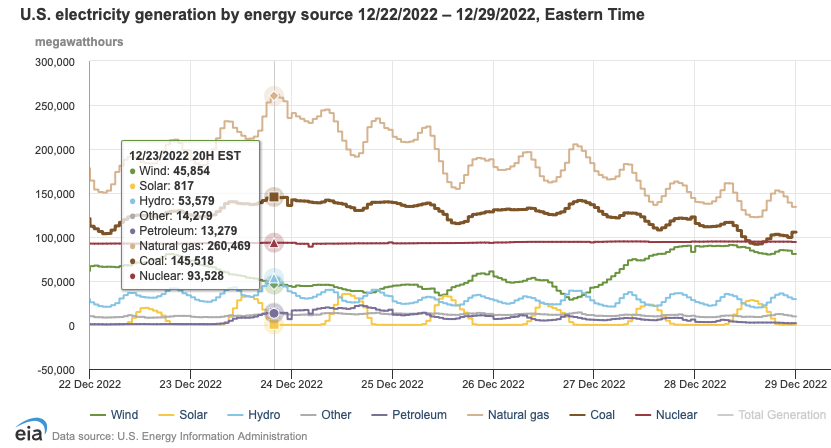

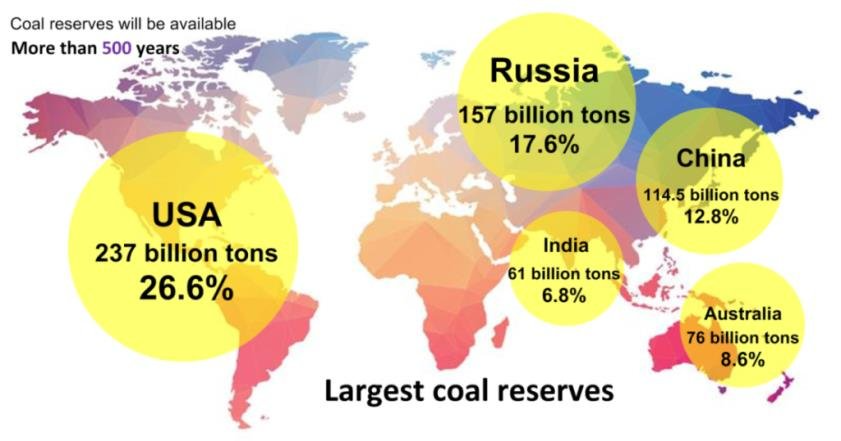

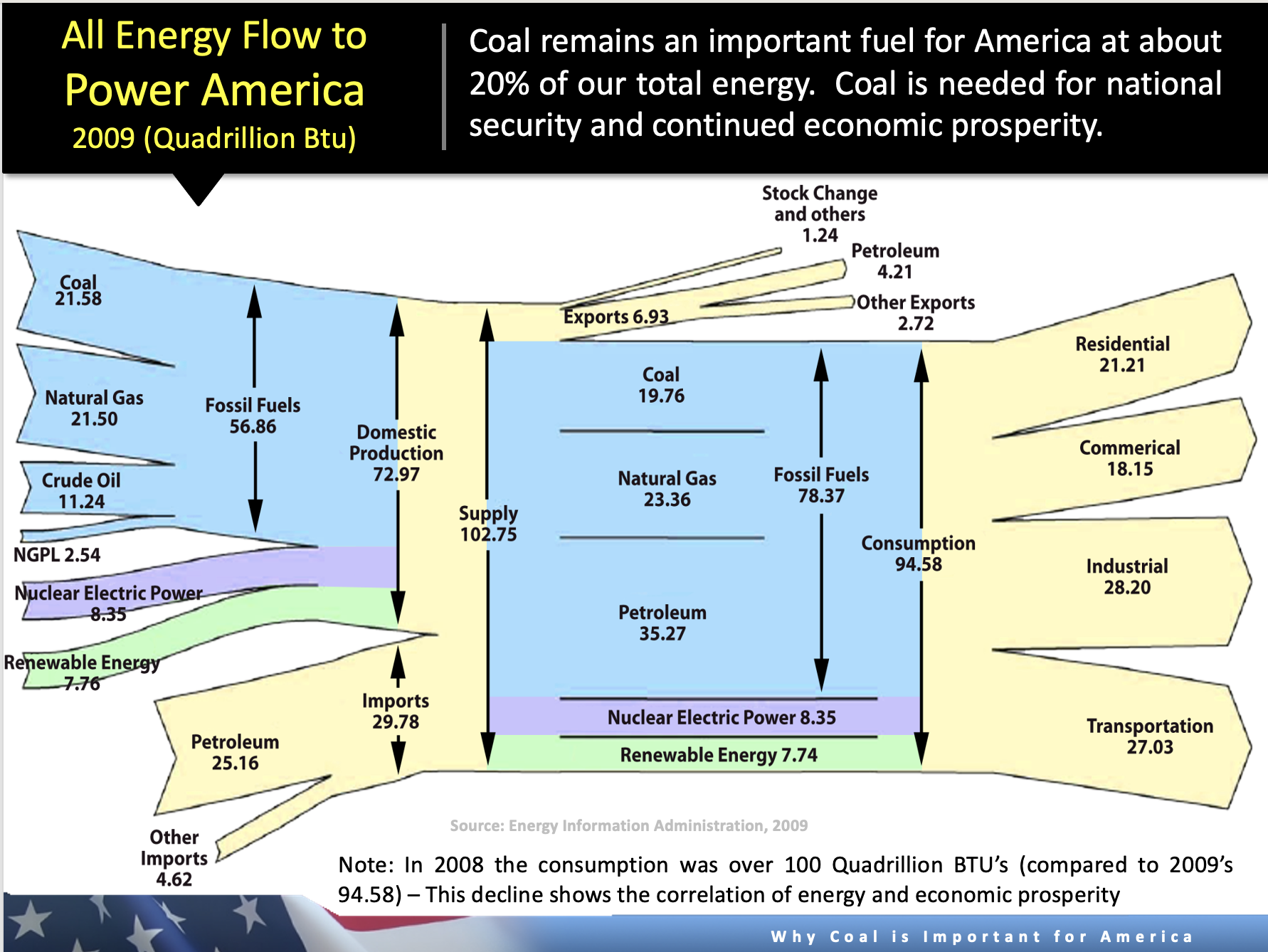


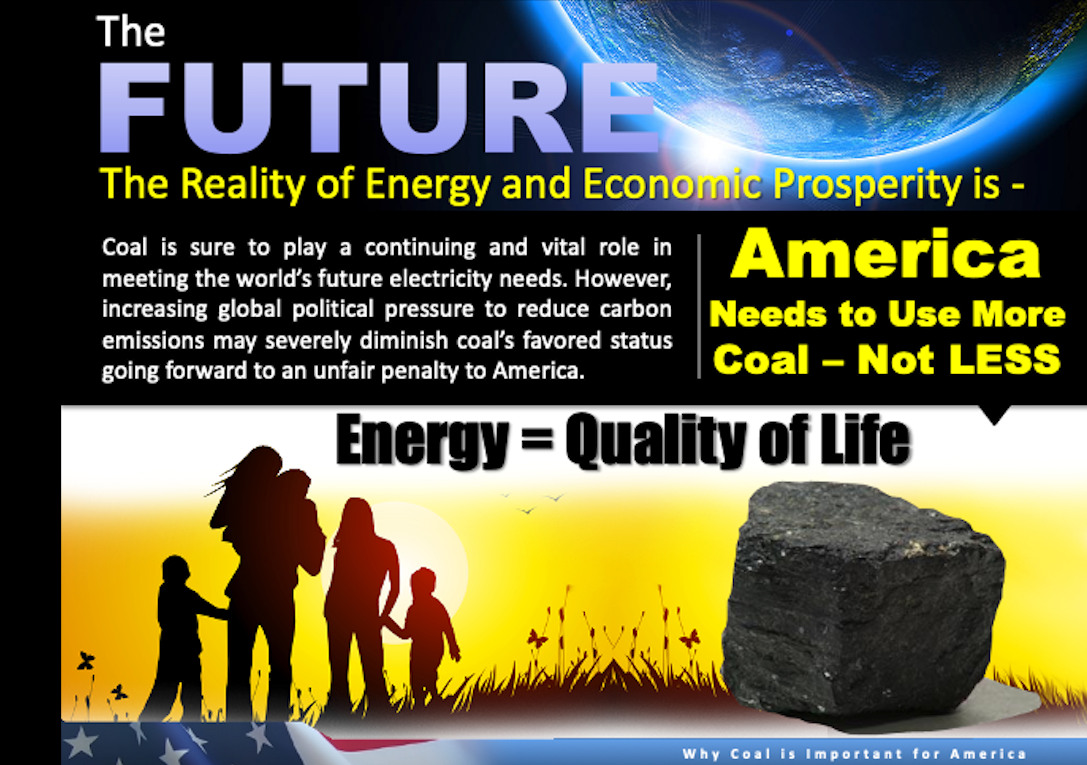
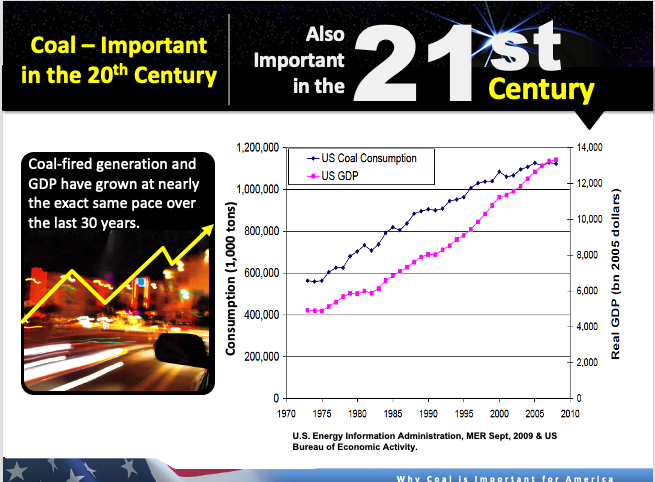


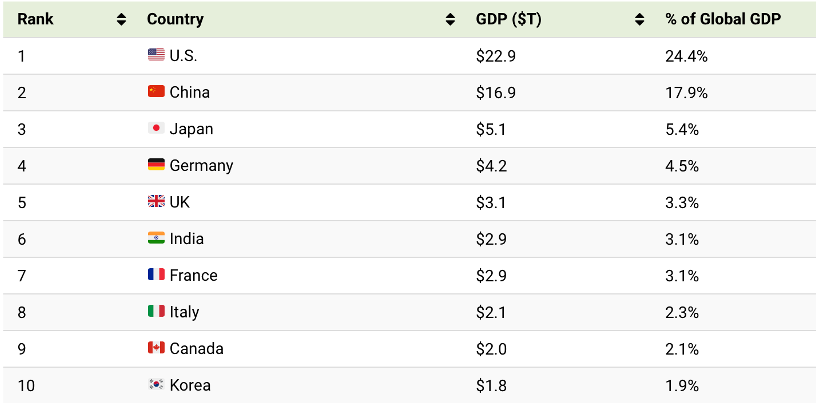
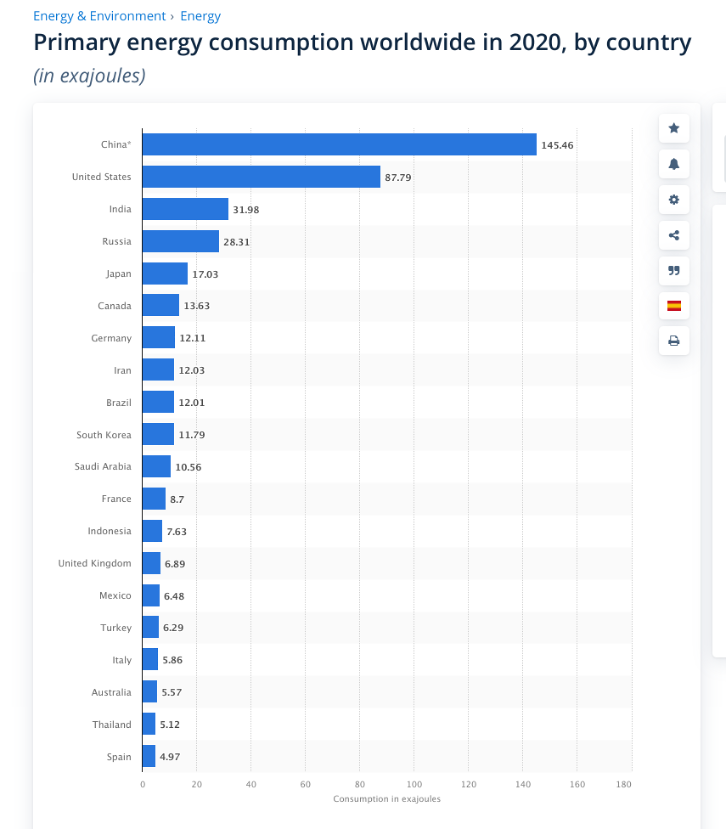





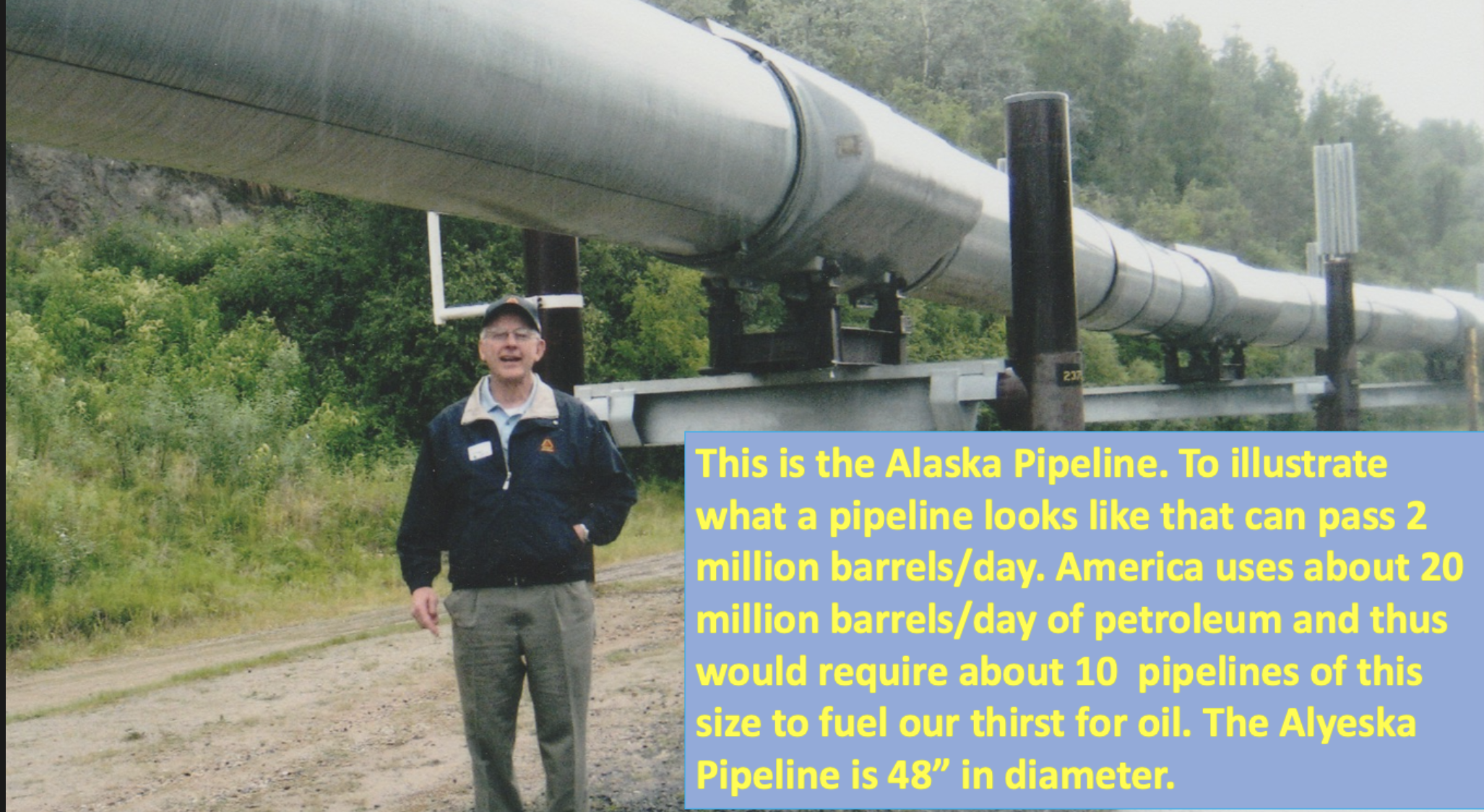


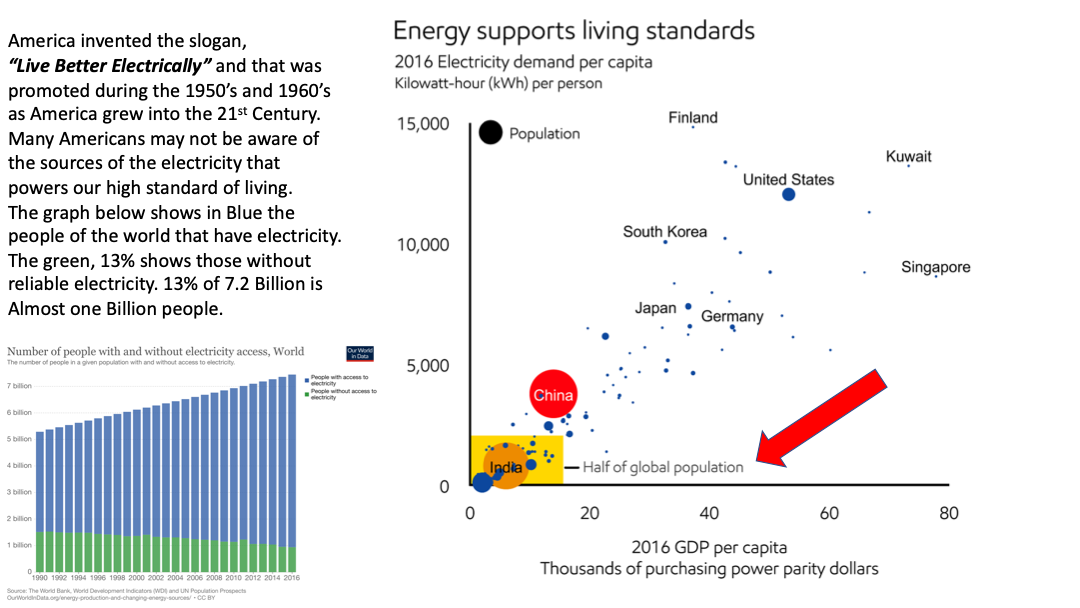

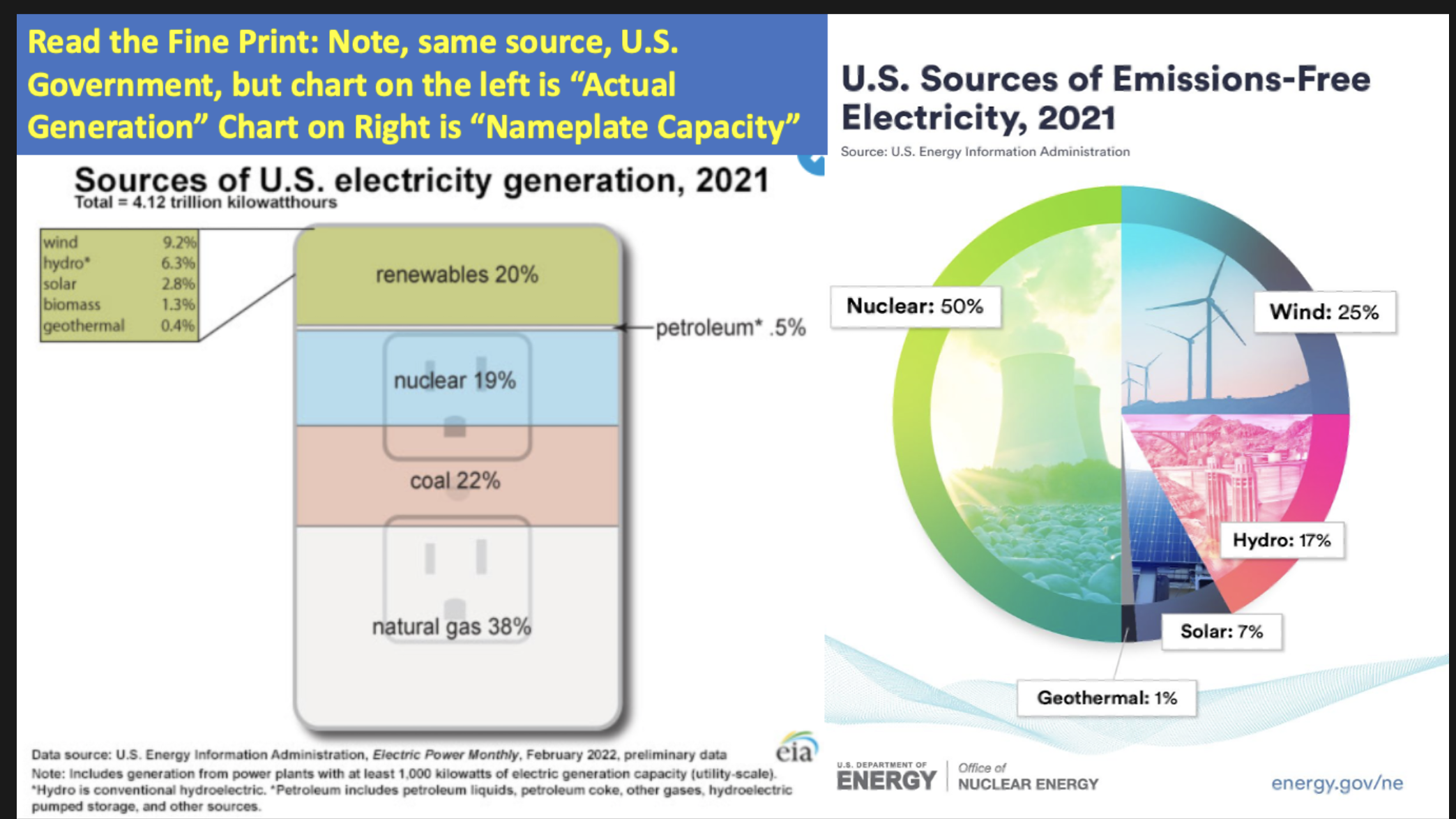


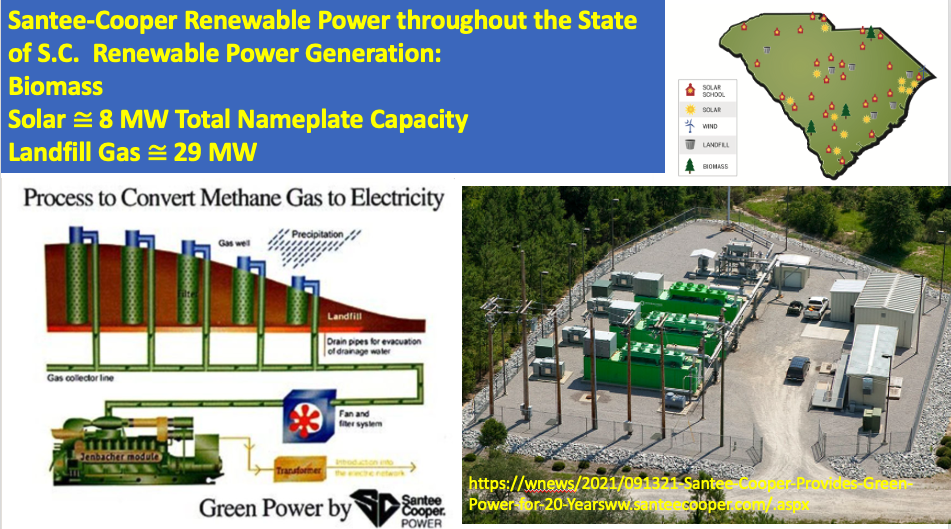

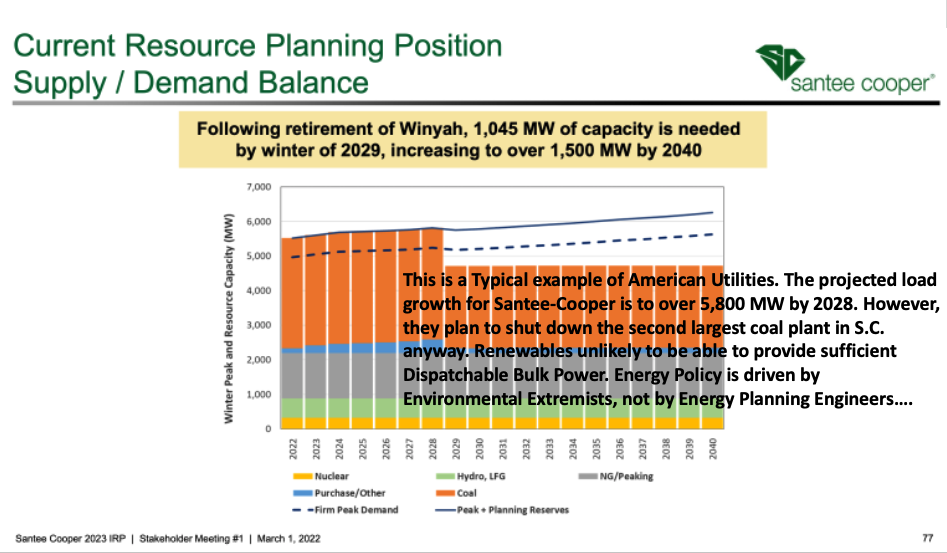
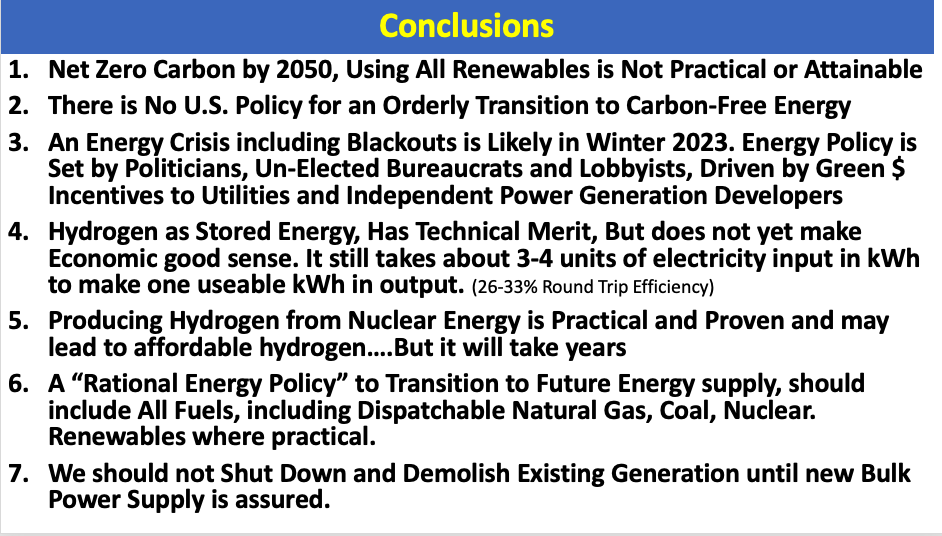


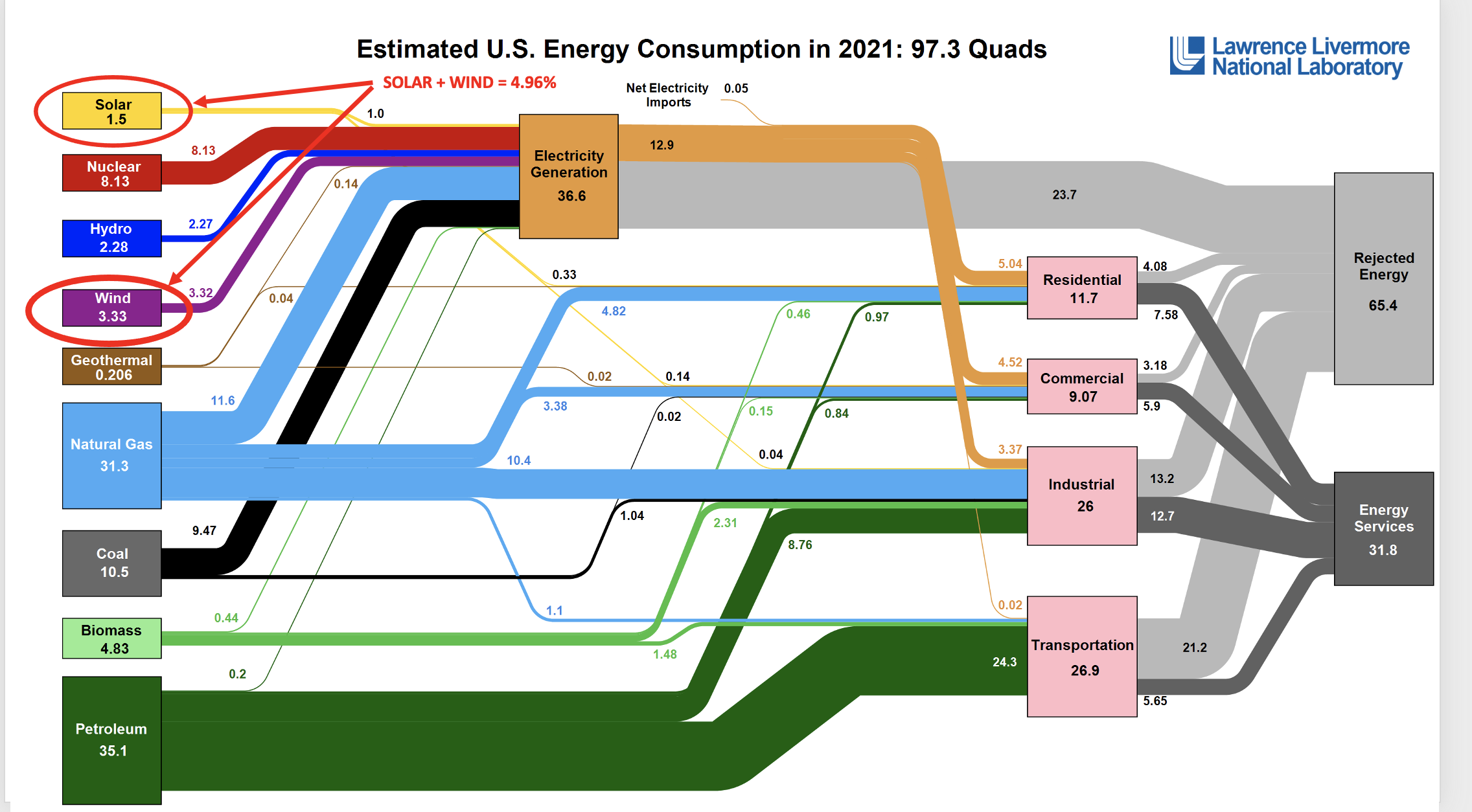
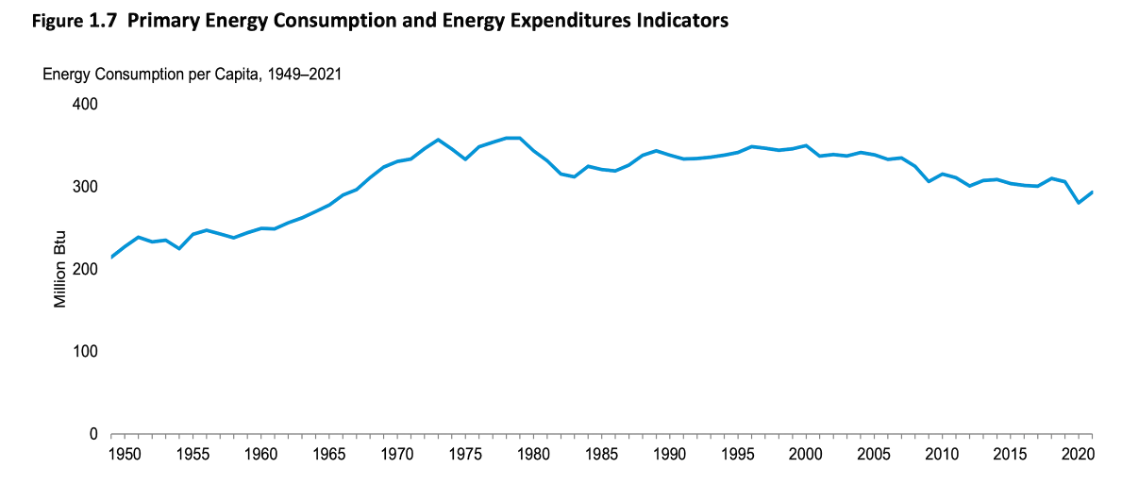
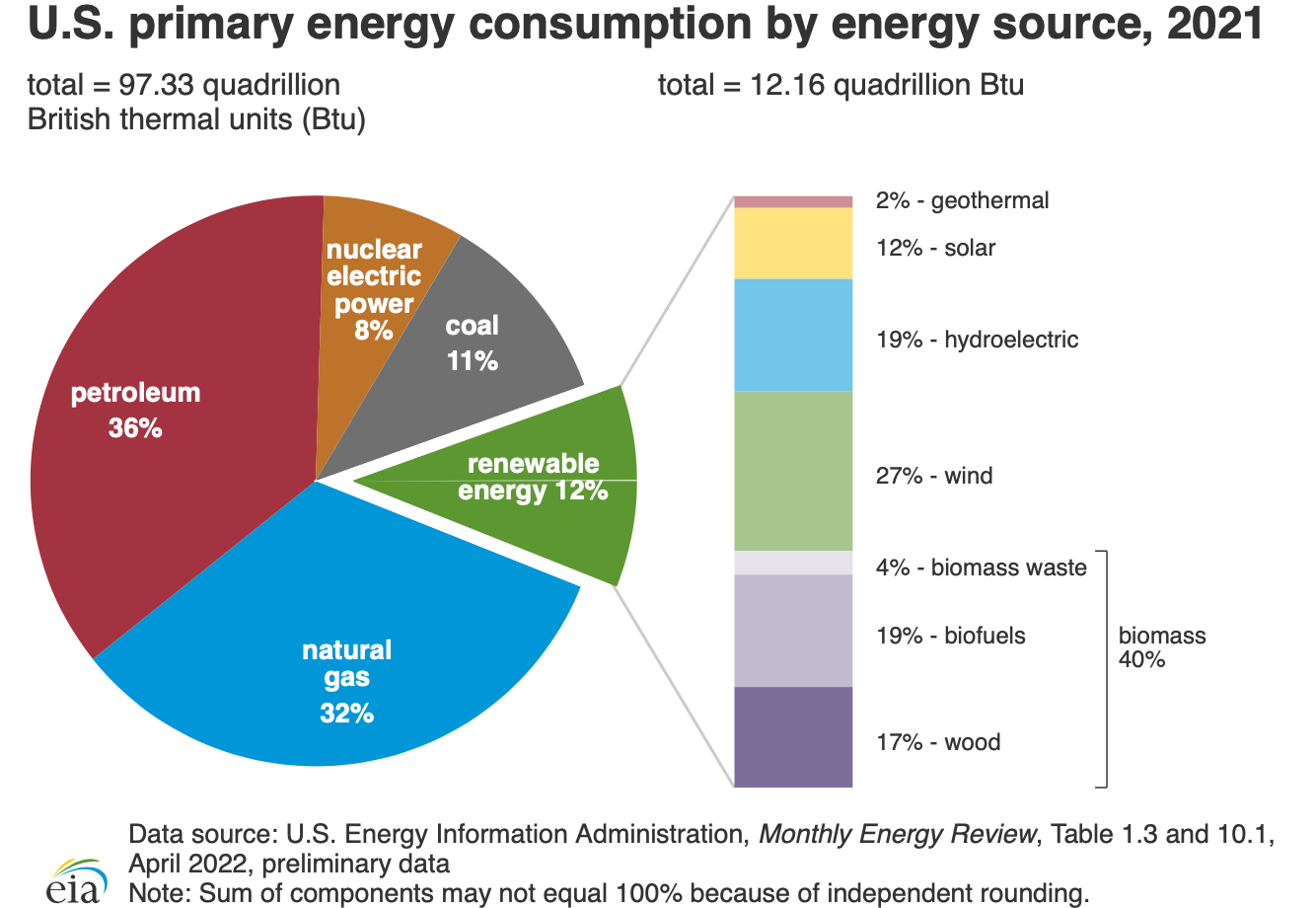




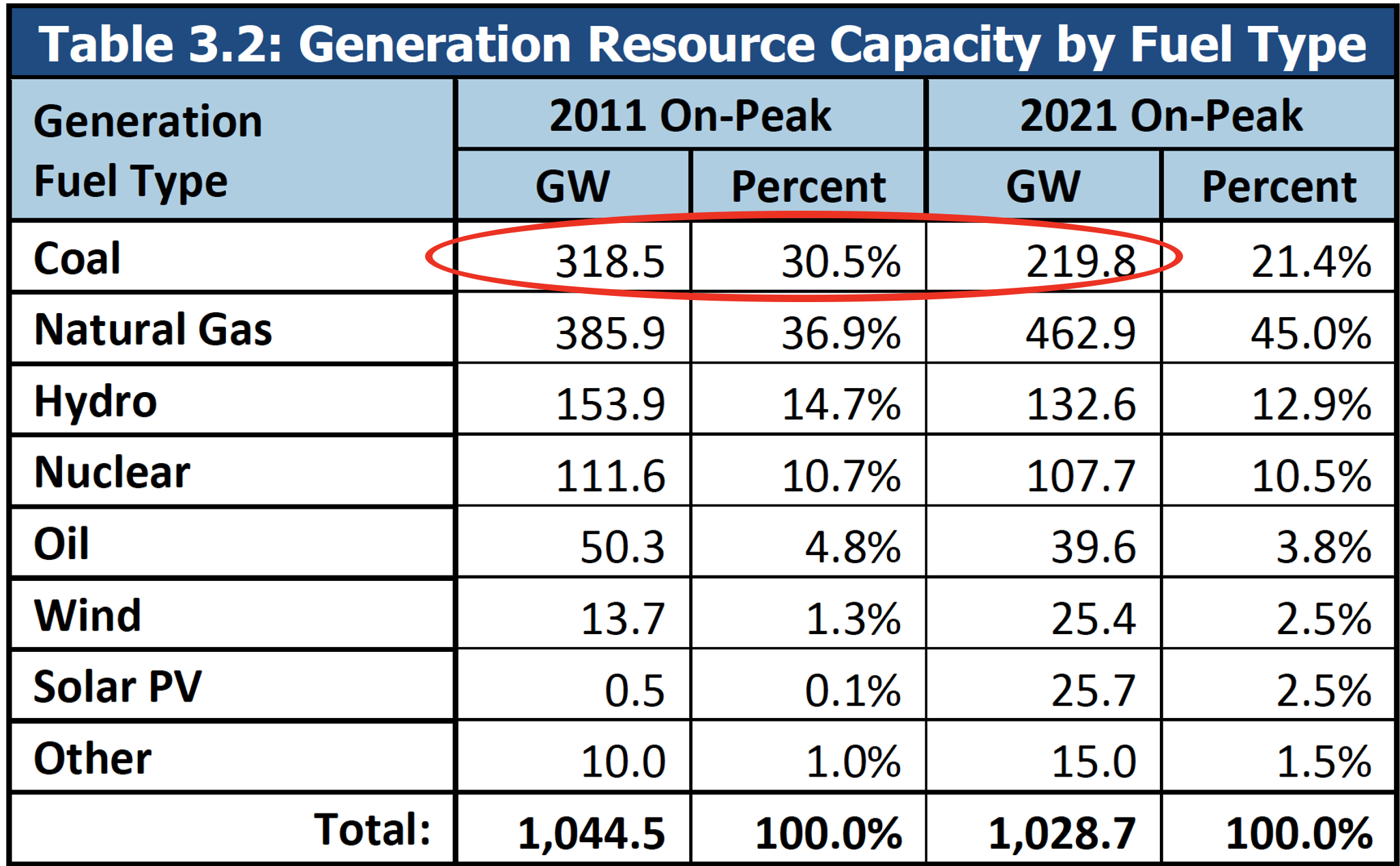

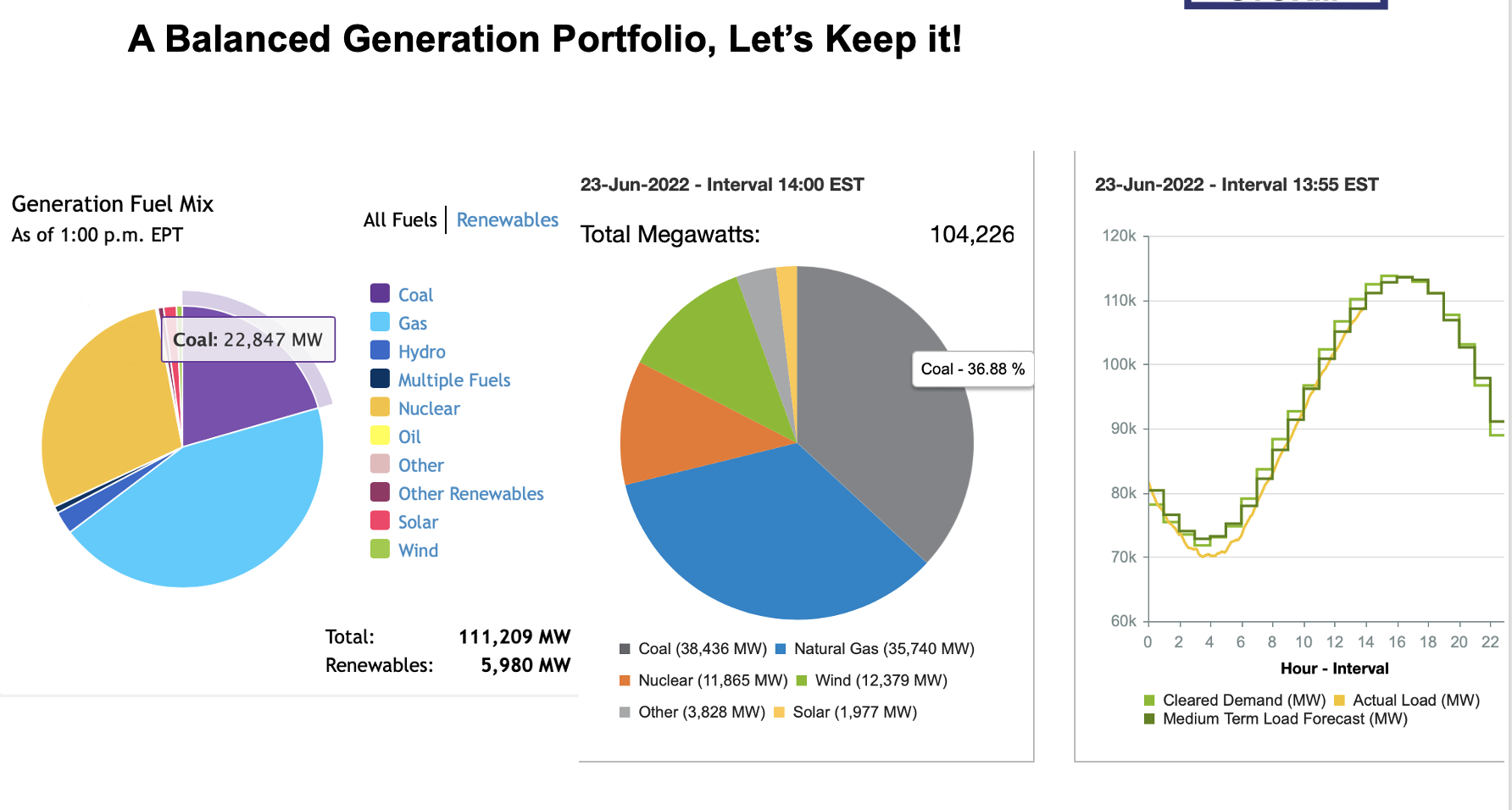


 Dick Storm's Thoughts on Energy, Education, Economic Prosperity & Environmental Blog