Energy=Life
Food Supply, Ammonia, Steel, Plastics and Concrete
This is my personal opinion. My attempt to show how the policies of environmental extremists, some who hold elected office & some who have high Bureaucratic offices have placed America on a perilous path of energy insecurity. These are my personal opinions and they are not related with any other company or organization with which I am a part of or have ever been a part of. I have used references that I have checked and believe to be totally accurate. Many of the references used are listed at the end of this post for further substantiation of my opinions.
Introduction
The importance of energy is well known by engineers involved in the energy production and electric generation industries. Energy is essential to power our economy, high quality of life, freedom of travel, comforts and conveniences. Also, food production and distribution are impacted by rising energy costs. The MSM has not reported much on the impact of the rising cost of energy to food price excalations. I will here.
Energy engineers know the importance of energy. The general public, not so much, they have been indoctrinated into hating carbon by effective scare tactics of the U.N., misguided Politicians, the WEF, Entertainment personalities, Environmental Extremists and the MSM.
According to the EIA, 79% of our total primary energy in 2021 was provided by fossil fuels. When nuclear power is included as a form of conventional energy, then over 87% of the energy we depend on is from conventional fuels. So, let’s think about important materials and crops that support our high quality of life, including more than adequate food. Energy is essential to produce the materials we need as well as the abundance of food that Americans are Blessed with.
Affordable, Abundant, Reliable Energy is Essential to Power Life as We Know It
Meanwhile, policy makers in Washington and all across the U.S. are changing energy policies to fit a green agenda of attempting to abolish fossil fuels. As with the general public, the politicians do not understand the importance of conventional, affordable energy. If fossil fuels were eliminated our society would literally return to life as it was in the 19th century. Drake’s first oil well in 1859 saved the whales by beginning the use of kerosene to replace whale oil for illumination. Then in the 1880’s came the “end of night” with light bulbs and the introduction of central station power generation with Edison’s Pearl Street Power Generation Station as one of the first in the world. Fossil fuels built the American way of life and our economy since then and we continue to be dependent on them. No amount of environmental or engineering fiction is going to change the needed sources of energy for the next few decades.
A Reminder of Energy History
I would like to focus this post on the importance of energy and especially fossil fuels to provide essential materials and food for people of the world. Oil did save the whales (true) with Drake’s first oil well and Standard Oil’s kerosene production. Then Edison, Tesla and Westinghouse’s successes in developing electricity, motors and illumination by about 1898. Now, let’s switch from energy to food production concerns in 1898.
The Relationship of Energy and Food
Interestingly, the Head of the British Scientific Society, William Crookes, gave a sobering talk in 1898 to state that the planet can only support a total population of about two billion people. Why? Because there was not enough guano (sea bird droppings deposits on islands) and imported Chilean nitrate fertilizer to grow crops to support a growing world population over about 2 billion. This is well documented in the book, “The Alchemy of Air” as well as books by Vaclav Smil.
Vaclav Smil is a well-respected energy expert and he has written dozens of books centered on the topic of energy. His latest book is, “How the World Really Works”. I borrowed part of the title of this post from his chapter #4 “Understanding Our Material World”.

The four materials that Smil has selected are Ammonia, Plastics, Steel and Concrete. These are all dependent on vast quantities of energy to produce and yes, we all depend on them for our everyday lives. Let’s start with Ammonia.
Ammonia, A Pre-Requisite to Feeding the World
An interesting book by Thomas Hager, “The Alchemy of Air” chronicles the development of the Haber-Bosch process. The story of how Fritz Haber and Carl Bosch invented and developed the process for producing synthetic nitrogen fertilizer. The book starts out by reminding us of the concern by the head of the British Academy of Sciences, William Crookes in 1898 that the earth will not be able to support a population growing above about 2 billion people, because there simply is not enough fertilizer from natural sources such as guano, manure or Chilean Nitrate to fertilize the world’s crops in sufficient quantity to feed a growing world population. Thus, the prospect of famine was real. That was 1898 and within ten years Fritz Haber a Jewish chemist, living in Germany, invented the process to create ammonia from natural gas and air. Later, Haber teamed up with Carl Bosch then a senior manager at BASF and together the developed and commercialized the Haber-Bosch process for creating ammonia. Fast forward to 1972 and President Nixon’s first trip to China to open doors for trade. What did China want first? They wanted ammonia plants to produce fertilizer after millions(1) of Chinese had died of starvation during Mao Tse Tung’s “Great Leap Forward” of failed central control. According to Smil, China’s first trade deal after Nixon’s visit was to purchase 13 ammonia plants from M.W. Kellogg of Texas. That was the only way that China could produce sufficient food to feed their growing population. Today, as with many other products, China produces more ammonia than any other country.
50% of the World’s People Could Not Exist Without Ammonia
(Smil states on page 83) “I hasten to add that 50% of humanity dependent on ammonia is not an immutable approximation. Given prevailing diets and farming practices, synthetic nitrogen feeds half of humanity—-or, everything else being equal, half of the world’s population could not be sustained without synthetic nitrogenous fertilizers”.
Energy=Life
Of course, the point is, food production is related to fertilizer production and fertilizer production depends on natural gas as a feedstock. About 1.2% of the world’s total primary energy is used for fertilizer and about 3-5% of food production depends on fossil fuels. Thus, Vaclav Smil picked energy intensive Ammonia as the number one material of the four materials that are (his ranking) pillars of modern civilization.
The Cost of Energy for Food Production & Distribution is About 50%
The IEA published a chart to show the cost components of energy for nine selected crops. The chart is copied below. Note that total energy cost for the nine selected crops range from a low of about 40% for cotton to almost 60% for wheat and sorghum, over 50% for corn. The cost of production for all food crops in the U.S. is about 50%. Most of this fuel is from fossil fuels. Energy is important for all of the people of the world and reasonable cost, abundant energy is crucially important for crop production and processing. Escalating energy costs will increase the costs of food and in some cases, reduce the quantity of food production due to limited fertilizer (ammonia based) availability. The fuel for Diesel tractors and food processing is significant. The final point: Solar and Wind cannot create fertilizer and both are impossible in the near term to power tractors and intercity or Global transportation.

Sources of World Energy about 86.25% Conventional Fuels, oil, gas, coal and nuclear
From BP-Statistical Review of World Energy Consumption:
Oil 184.21 EJ 31%
Natural Gas 145.35 EJ 24%
Coal 160.10 EJ 27%
Nuclear 25.31 EJ 4%
Hydro-Electricity 40.26 EJ 7%
Renewables 39.91 EJ 7%
Total Primary Energy 595.15 Exajoules
World Consumption of Primary Energy-BP Statistical Review-2022

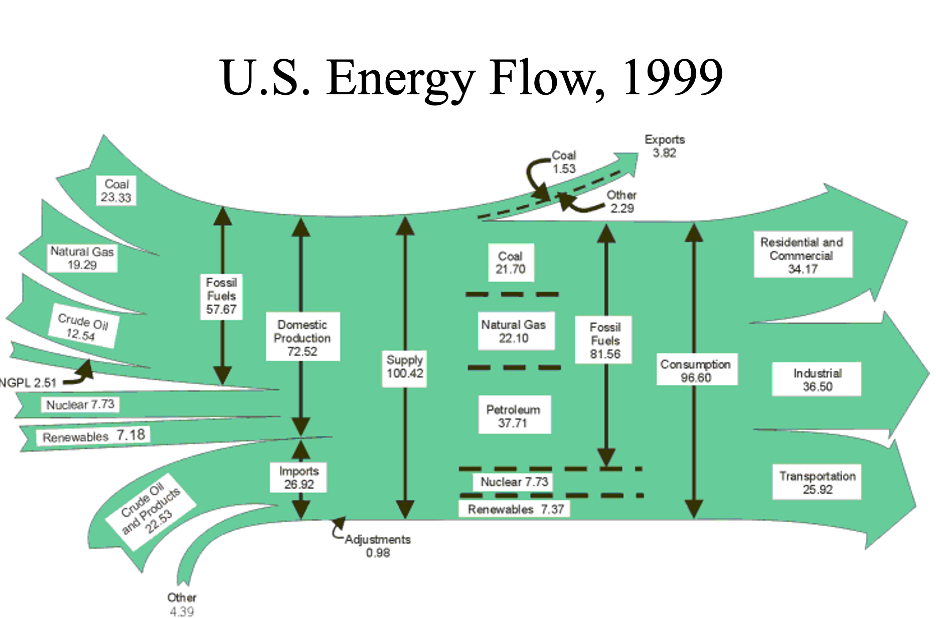
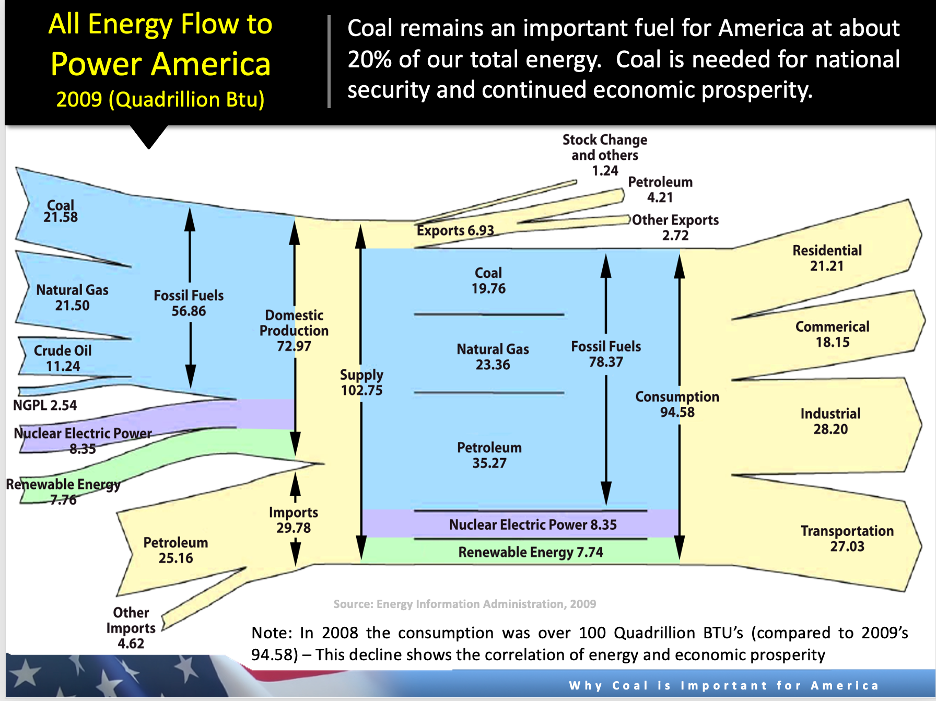
The world’s energy consumption does inrease year after year, except during the Pandemic of 2020 as can be seen on BP’s graph above. If we extrapolate and expand the forecast to 2050, then increased energy will be required for the estimated 9 Billion world population that is expected in 2050. For now, 86% of the world’s energy and 87.4% of the United States Energy is provided by conventional fuels of oil, natural gas, coal and nuclear fuels. Solar and wind provide only about 7% of the world’s primary energy and less than 5% of the United States Energy for 2021. The U.S. energy flow chart is shown below:
Energy Flow Chart for United States, 2021

No! We Cannot Electrify Everything!
Government officials for the last 18 months have been scolding and attempting to scare the general public into getting rid of our internal combustion engines and buy EV’s. Claiming we need to “Decarbonize our society”. In essence, they are literally saying, “Electrify Everything”. In fact, I did see at least one article on electrify everything. The two charts above which show the reality of the energy needs of the United States and the world, should help explain: NO, We Cannot Electrify Everything! For sure, plastics, concrete, steel, air transportation, aluminum and fertilizer cannot be produced from windmills and solar panels. I contributed to an article by Hayden Ludwig of the Capital Research Center in December 2021. Our goal was to try to set the record straight on “No, We Cannot Electrify Everything”.
Let’s get back to the relationship of energy and food production. Fertilizer production for a start, uses about 1.2% of the world’s total primary energy. As mentioned above, literally half the world’s population would suffer famine if ammonia fertilizer production was stopped.
Fertilizer and Food
The IEA chart above showed the energy cost component for food production. Much of the energy used is natural gas for fertilizer production. Here below are some fertilizer facts to consider. This reference is for the year 2010 and this is the most recent document I could find. I think it is reasonable to estimate that the 1.2% energy use for fertilizer production has tracked about the same trend for the last twelve years as the world population has grown and the nutrition for the people of the world has generally improved.
From Fertilizer Facts. https://www.fertilizer.org/images/Library_Downloads/2014_ifa_ff_ammonia_emissions_july.pdf. About 1.2% of the World’s Total Primary Energy is Used to Produce Ammonia:

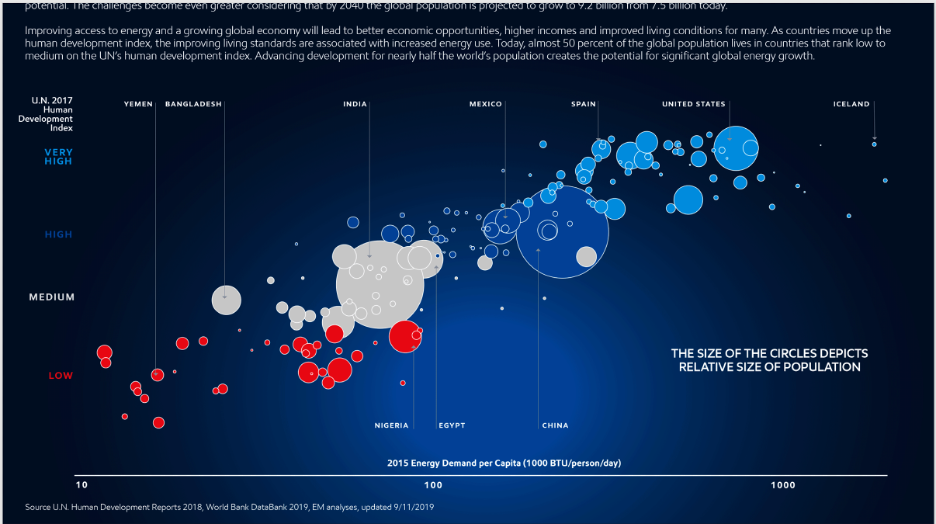
Energy, The Pre-Requisite for a High HDI (Human Development Index)
Here are three illustrations to show the importance of energy for both improved HMI (Human Development Index) and Economic Prosperity:
The first chart below is from a Power-Point presentation I prepared in 2016 for a course on energy and power generation at Williamson College of the Trades. This clearly shows the relationship of energy and economic prosperity as well as the relationship of energy to HMI.

Another chart by ExxonMobil’s Energy Outlook in 2017, also captures the relationship of energy, HMI and economic prosperity. As quality of life (including adequate nutrition) goes up, so does the demand for energy.
The final chart is the NASA composite photo entitled, “The Earth at Night”. This shows the earth’s illumination from space and the photo clearly identifies the countries that have a higher standard of living (HMI) and that tend to use more energy to provide their higher quality of life.

Conclusions
The modern world’s people need food, transportation, indoor cooking, refrigeration, materials for manufacturing and construction, manufactured products and much more. Over 86% of the world’s energy to provide crucially important materials, travel, shipping, industrial output, heating and airconditioning comes from conventional fuels. This includes fossil fuels of oil, natural gas & coal. When nuclear is included as a conventional fuel, then the total primary energy from conventional fuels is about 87% for the U.S.A.
- The abolishment of fossil fuels may be possible someday, but in my opinion and observations, not until far beyond 2050.
- Fertilizer and food production use between 3 and 5% of the world’s total primary energy. Much of this is required to come from fossil fuels.
- Aircraft with batteries or hydrogen fuel may in fact be possible, someday. However, replacing the fleet presently flying of jet fuel powered Boeing and Airbus planes is not possible by 2050 and there are many of us that would prefer the proven safety of flying jets powered by jet fuel.
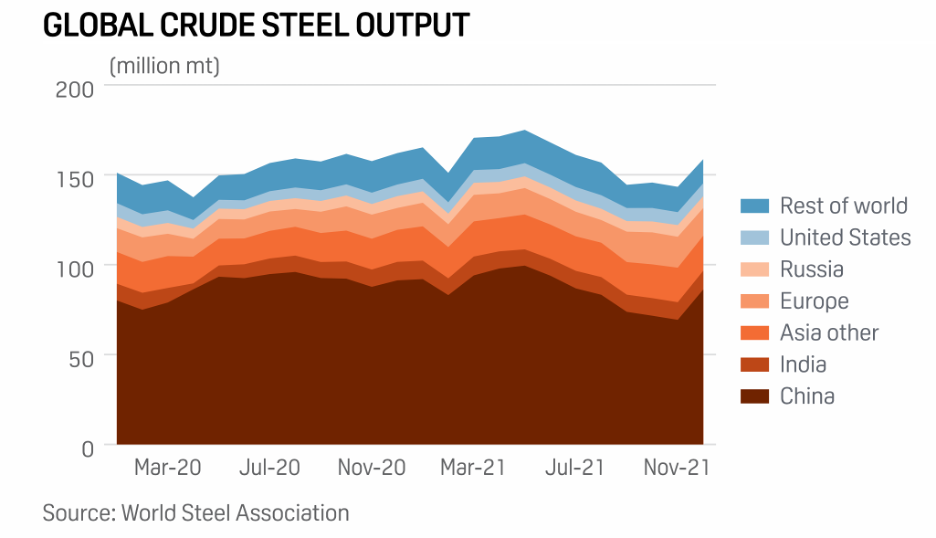
- Steel made from hydrogen is possible, but not at a competitive cost with coke. China produces over 50% of the world’s steel now and they will continue to use the lowest cost production methods.
- Aluminum is a very important metal for aircraft, automobiles and many other utilitarian uses. Aluminum uses the most electricity of all metals for production. Smelting alone uses about 5 kWh per pound and this is in addition to Bauxite refining, transportation, rolling and forming. Reasonable cost, reliable and abundant electricity is required to produce aluminum. China produces over 50% of the world’s aluminum also.
- Plastics and synthetic fibers are used in everything we depend on through the day. Auto parts are largely plastic, so are many utility pipes. Many textiles are based on fibers from oil or natural gas.
- The government “War on Carbon” is destroying America. It is contributing to inflation and shortages of critical materials that we depend on.
- The United Nations, the World Economic Forum, The Main Stream Press, Entertainment is interested in power and influence over the citizens of the U.S. It is not about climate
- Environmental Extremist organizations such as the Natural Resources Defense Council, the Sierra Club, Environmental Defense Fund (and many more) have extensive funding of Billions of dollars obtained from Bloomberg, Bezos and others that is tax exempt and used against the best interests of American citizens.
- The overall “War on Carbon” is making energy and electricity prices higher in the U.S. This makes America less competitive with China and it increases the job losses here and increased off-shoring of manufacturing
- America does not have an “Energy Policy” per se’. America has an a “Hate Carbon Policy” that has progressed far enough to create an energy crisis, possible Rolling Blackouts, Brownouts and excalating food prices.
I personally do not understand why many otherwise Patriotic & respected American supporters of Free Markets and Capitalism would support and contribute to extremist organizations that are determined to weaken our country and world food supply.
Respectfully,
Dick Storm, July 22, 2022
References and for further reading on the topics of Energy and Food Production:
- Heritage Foundation, Mao Zedong’s Mass Murder, through his Cultural Revolution and Great Leap Forward: https://www.heritage.org/asia/commentary/the-legacy-mao-zedong-mass-murder
- “How the World Really Works”, by Vaclav Smil, Viking, 2022
- “How the Energy Crisis is Exacerbating the Food Crisis”, IEA June 2022: https://www.iea.org/commentaries/how-the-energy-crisis-is-exacerbating-the-food-crisis
- Rising Fertilizer Cost Impact on Food Prices, June 2022 FAS/USDA: https://www.fas.usda.gov/data/impacts-and-repercussions-price-increases-global-fertilizer-market
- Fertilizer Facts, Ammonia and Energy use, 2010: https://www.fertilizer.org/images/Library_Downloads/2014_ifa_ff_ammonia_emissions_july.pdf
- BP 2022 Statistical Energy Review: https://www.bp.com/content/dam/bp/business-sites/en/global/corporate/pdfs/energy-economics/statistical-review/bp-stats-review-2022-full-report.pdf
- NASA EARTH AT NIGHT: https://earthobservatory.nasa.gov/images/event/79869/earth-at-night
- 8. S&P Global Natural Gas Use for Fertilizer production, surging natural gas prices, cause fertilizer costs to soar, Jan 19, 2022: https://www.spglobal.com/commodityinsights/en/market-insights/blogs/agriculture/011922-fertilizer-costs-natural-gas-prices
- Improving Lives with Fertilizer: https://www.tfi.org/our-industry/intro-to-fertilizer/improving-lives
- LLNL TOTAL PRIMARY ENERGY FLOW CHART 2021: https://flowcharts.llnl.gov
- Paul Driessen list of Billionaire Climate Activists: https://climatechangedispatch.com/billionaire-climate-elites-have-their-own-rules-and-agenda/
- Bloomberg Beyond Carbon: https://www.beyondcarbon.org
- Sierra Club, Beyond Coal website: https://coal.sierraclub.org
- Sierra Club Success stories: https://coal.sierraclub.org/the-campaign/success-stories
- Influence watch, Sierra Club: https://www.influencewatch.org/non-profit/sierra-club/
- WSJ Article on Sri Lanka “Green Revolution” July 14, 2022: https://www.wsj.com/articles/sri-lankas-green-new-deal-was-a-human-disaster-gotabaya-rajapaksa-borlaug-synthetic-fertilizers-hunger-organic-agriculture-11657832186?mod=MorningEditorialReport&mod=djemMER_h
- The Intercept, Green Terrorism: https://theintercept.com/2019/03/23/ecoterrorism-fbi-animal-rights/
- Germany’s Nuclear Power Implosion July 2022: https://www.wsj.com/articles/germanys-nuclear-implosion-bundestag-robert-habeck-energy-europe-russia-11657572926?st=i8v3nn5fczebec0&reflink=share_mobilewebshare
- EIA Graph of 79% Fossil Fuels in 2021, JULY 7, 2022: https://www.eia.gov/todayinenergy/detail.php?id=52959
- IEA Energy Exacerbating Food Crisis, June 14, 2022: https://www.iea.org/commentaries/how-the-energy-crisis-is-exacerbating-the-food-crisis
- NASA EARTH AT NIGHT: https://earthobservatory.nasa.gov/images/event/79869/earth-at-night
- CRC-Green Watch, “Creatures from the Green Lagoon”: https://capitalresearch.org/category/green-watch/page/5/
- CRC Magazine, December 2021, Featuring Forced Electrification, War on Consumers” starting on page 13: https://capitalresearch.org/app/uploads/Capital-Research-2021-8.pdf
- CRC-Green Watch, “Creatures from the Green Lagoon”: https://capitalresearch.org/category/green-watch/page/5/
- CRC Magazine, December 2021, Featuring Forced Electrification, War on Consumers” starting on page 13: https://capitalresearch.org/app/uploads/Capital-Research-2021-8.pdf
- Australia Energy Crisis July 1, 2022: https://www.wsj.com/articles/a-warning-from-australias-power-crisis-green-energy-anthony-albanese-11655659465?mod=Searchresults_pos5&page=1
- Professor Judith Curry July 15, 2022: https://judithcurry.com/2022/07/16/week-in-review-climate-edition-4/
- Cooler Heads, July 15, 2022: Excellent References of Gina McCarthy and other EPA “War on Coal” personalities: https://go.cei.org/webmail/287682/912292506/68e507be334cf34c7d54b4b2a348b50f1d373ec69c94d0d629001f91129c1e7d
- Shelly Moore Capito Opinion in WVA “Intelligencer” Newspaper, July 2022: https://www.theintelligencer.net/opinion/local-columns/2022/07/joe-goffman-the-wrong-choice-to-help-lead-epa/
- EIA U.S. Oil & Gas Energy Reserves Y/E 2020: https://www.eia.gov/naturalgas/crudeoilreserves/
- World Nuclear Organization: https://world-nuclear.org/information-library/current-and-future-generation/nuclear-power-in-the-world-today.aspx
- Biden, U.S. asks for 4.3 Billion to wean off Russian Nuclear Fuel :https://www.bloomberg.com/news/articles/2022-06-07/us-seeks-4-3-billion-for-nuclear-fuel-to-wean-off-russia-supply#xj4y7vzkg
- High Natural Gas Prices Cause Rise in Fertilizer and Food Prices, Dec. 16, 2021: https://www.wsj.com/articles/surging-fertilizer-costs-push-farmers-to-shift-planting-plans-raise-prices-11639580768?mod=itp_wsj&mod=djemITP_h
- ETHANOL AND GASOLINE: https://www.wsj.com/articles/ethanol-gasoline-price-gas-heating-btu-11638310535
- EPA allows more ethanol in gasoline April 2022: https://www.wsj.com/articles/epa-will-allow-more-ethanol-in-gas-this-summer-in-bid-to-tame-prices-11649754000?mod=hp_lead_pos1
- Ukraine war puts pressure on Global Food Supply, WSJ April 2022: https://www.wsj.com/articles/ukraine-war-farming-food-supplies-grain-russia-11647796055?mod=article_inline
- Ukraine-Russia War and Food Supplies, WSJ,June 28, 2022: https://www.wsj.com/articles/war-weather-endanger-global-food-supplies-farm-leaders-say-11656430431?mod=Searchresults_pos8&page=1
- Peace Through Strength & Free Markets are what built America, Phil Gramm and Mike Solon, March 2, 2022: https://www.wsj.com/articles/peace-through-strength-economic-freedom-open-trade-china-ccp-economy-america-competes-act-antitrust-biden-11646154226?cx_testId=3&cx_testVariant=cx_130&cx_artPos=7&mod=WTRN#cxrecs_s

















 Dick Storm's Thoughts on Energy, Education, Economic Prosperity & Environmental Blog